


The South of France is not one single place but a mosaic of coasts, cities and countryside that can feel like different countries packed into one region. From the Italian-flavoured Riviera to the surf towns of the Atlantic and the wild peaks of the Pyrenees, planning a trip here starts with understanding what “the south” actually means, then matching its regions to your travel style, time and budget.
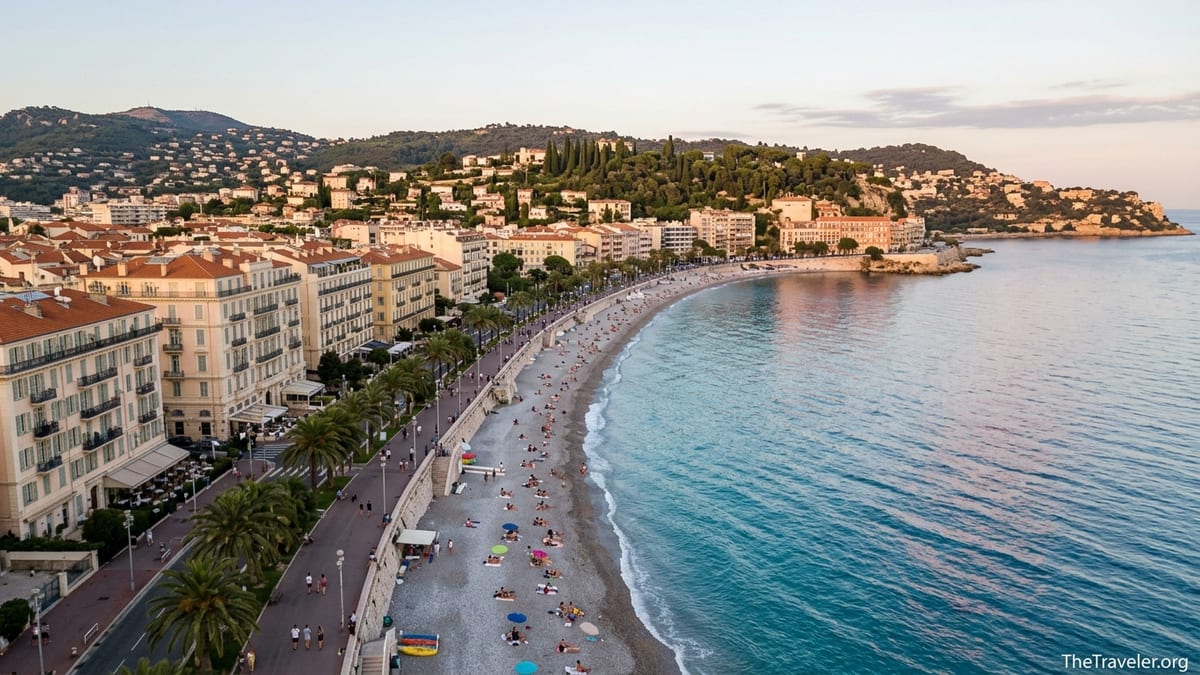
What Counts as the South of France?
When French people talk about “le Sud” or “le Midi,” they generally mean the band of France that faces the Mediterranean or the lower Atlantic, plus the inland areas influenced by that sunnier climate and relaxed culture. Administratively, it spans much of Provence-Alpes-Côte d’Azur in the southeast, Occitanie across the central south, and southern Nouvelle-Aquitaine on the Atlantic side, along with the island of Corsica. This sweeps from Menton near the Italian border, past Nice, Marseille and Montpellier, across to Toulouse and the Pyrenees, then up the Atlantic to Biarritz and Bordeaux.
In practice, travelers usually divide the South of France into two broad coasts plus their hinterlands. The Mediterranean side includes the glamorous French Riviera, the calanques near Marseille, the sandy beaches and lagoons of Languedoc, and hill towns in Provence’s interior. The Atlantic side covers the wine city of Bordeaux, the pine forests and dunes of the Landes, and the Basque Country between Bayonne and Saint-Jean-de-Luz, where the culture feels distinct and the waves draw surfers from around the world.
Some areas sit somewhere in between coast and mountains. Cities like Toulouse and Montpellier are technically inland but function as gateways to the wider south, especially if you are arriving by high-speed train from Paris. The Pyrenees, stretching along the Spanish border from the Atlantic almost to the Mediterranean, offer a completely different mood again, with medieval fortress towns, hiking bases and ski resorts that still feel distinctly southern in their food and pace of life.
For trip-planning purposes, it helps to think of the South of France less as a single destination and more as a handful of overlapping “zones”: the Riviera and Provence, Languedoc and the western Mediterranean, the Garonne corridor around Toulouse, the Atlantic wine and surf coast, the Basque Country, and the Pyrenees. Your ideal route will likely string together two or three of these zones rather than trying to cross them all in one short vacation.
Key Regions and Signature Destinations
The best-known region in the South of France for international visitors is Provence-Alpes-Côte d’Azur, anchored by the French Riviera. Cities like Nice, Cannes and Antibes line a compact stretch of coastline, all linked by frequent regional trains. Nice works well as a base, with its pebble beach, seafood restaurants and daily market selling socca and fresh produce. A midrange hotel room here in high season can easily run in the range of 150 to 250 euros per night, so travelers often save money by staying one or two streets back from the Promenade des Anglais instead of directly on the seafront.
Beyond Nice, the Riviera includes smaller towns that can define an itinerary. Villefranche-sur-Mer offers a colourful old harbour five minutes by train from Nice, with more relaxed swimming coves. Menton, right by the Italian border, is known for its lemon festival and pastel façades. Inland, hilltop villages such as Saint-Paul-de-Vence or Eze allow day trips for art galleries, perfumeries and views over the coastline. Farther west, Marseille, Cassis and the Calanques National Park give a more rugged Mediterranean experience, with boat trips to limestone inlets and cliffside hiking paths.
To the west lies Occitanie, the administrative region that unites former Languedoc-Roussillon and Midi-Pyrénées. Here, Montpellier and Nîmes provide lively university-town atmospheres, Roman monuments and easy train access to long sandy beaches around Sète and the Petite Camargue. Medieval Carcassonne and the Canal du Midi appeal to travelers interested in history and slow travel, with canal boat rentals and towpath cycling routes between Toulouse and the Mediterranean. Toulouse itself, nicknamed “La Ville Rose” for its pink brick, is a practical base for exploring the western half of the south and connects easily by train to both Bordeaux and the Pyrenees.
On the Atlantic side, southern Nouvelle-Aquitaine includes Bordeaux, famous for its wine châteaux, along with the seaside resorts of Arcachon and Cap Ferret, known for oysters and large Atlantic beaches. Further south, Biarritz, Anglet and Bayonne blend French and Basque culture, with surf schools, pintxo-style snacks and a cooler, more Atlantic climate. While the Riviera is associated with superyachts and promenades, the Atlantic south feels more casual and outdoorsy, with campgrounds, bike paths through pine forests and seaside apartments that often cost less per night than equivalent beachfront options on the Côte d’Azur.
Mediterranean vs Atlantic: How to Choose Your Coast
Choosing between the Mediterranean and Atlantic sides of the South of France starts with your travel priorities. The Mediterranean coast, especially around the Riviera and Provence, typically offers more predictable sunshine from late spring to early autumn and calmer seas. Beaches near Nice and Monaco tend to be pebbly, while those around Saint-Tropez, Fréjus and parts of Languedoc turn to sand. The atmosphere ranges from polished and glamorous in towns like Cannes to relaxed and family-friendly in places such as Fréjus or seaside villages near Montpellier.
The Atlantic coast, stretching from La Rochelle down to the Spanish border, feels wilder and less manicured. Here, long sandy beaches face consistent Atlantic swells that attract surfers to places like Hossegor, Biarritz and Anglet. Water temperatures are usually cooler than on the Mediterranean, and windy days are more common, which many travelers find refreshing in high summer. The beach scene is more about surf schools, casual beach bars and seafood shacks than about designer boutiques and private beach clubs.
Budget is another practical difference. While prices vary by town and date, Mediterranean hotspots like Nice or Saint-Tropez frequently command higher rates for hotels, meals and even beach access, especially in July and August. For example, a basic sun lounger and umbrella on a private beach in central Nice in peak season can cost more than many travelers expect, while on the Atlantic coast, large free public beaches are the norm and paid facilities, where they exist, are often less expensive. Midrange restaurants in both areas might charge similar prices for a two-course dinner, but shoppers will notice more luxury-oriented offerings on the Riviera.
Consider also the type of landscape you prefer. Around Marseille and Cassis, the Mediterranean is framed by dramatic cliffs and the calanques, best enjoyed by hiking or small boat. Provence’s interior, from Luberon hill towns like Gordes to lavender fields near Valensole in late June or early July, pairs well with a rental car. By contrast, the Atlantic side offers huge dune systems such as Dune du Pilat near Arcachon, dense pine forests and estuaries perfect for cycling and canoeing. Travelers who want a mixture of city culture and easy beach day trips could, for example, base in Bordeaux and visit Arcachon by train, or choose Nice and hop along the coastal rail line to smaller resorts each day.
Transportation: Getting Around the South of France
Most international visitors reach the South of France via Paris, then connect by high-speed TGV train or a domestic flight. Typical daytime TGV journeys from Paris to Nice often take around five and a half to six hours, with advance-purchase second-class fares sometimes starting under 100 euros outside the busiest dates. Paris to Bordeaux by high-speed train takes about two hours, making Bordeaux a convenient first stop for an Atlantic-focused itinerary. Marseille and Montpellier also sit on mainline routes, meaning you can often reach them in around three and a half hours or less from Paris on direct trains.
Regional trains and buses do much of the work once you are in the south. Along the Riviera, a dense coastal rail line connects towns from Cannes to Menton, with frequent, relatively inexpensive services that make it realistic to stay in one base and day-trip to several others. In Occitanie, regional networks branded as liO trains connect inland towns like Carcassonne, Narbonne and Foix to coastal hubs such as Montpellier and Perpignan, and offer day-passes that allow unlimited travel within the region on specific days. On the Atlantic side, local trains link Bordeaux to Arcachon, Bayonne and Hendaye, enabling coastal exploring even without a car.
Renting a car remains useful or even essential in certain parts of the South of France, particularly for Provence’s hill towns, Luberon villages, the Verdon Gorge and more remote sections of the Pyrenees. A compact rental in summer might cost roughly 40 to 70 euros per day before fuel and tolls, with prices varying by demand and booking lead time. Parking fees can add significantly to daily expenses in cities such as Nice, Aix-en-Provence or Biarritz, so many travelers choose to park at their accommodation and rely on buses or walking once in town.
Within cities, public transport is generally reliable. Nice has a modern tram system linking the airport to the city center, which helps avoid taxi queues in peak season. Marseille and Montpellier also have tram networks, while Toulouse uses metro and tram lines to reach key districts and its airport. Ride-hailing apps operate in larger cities, and taxis are regulated and metered, though they can be relatively expensive for longer journeys compared with regional trains. For scenic travel, canal boat rentals on the Canal du Midi and local river cruises on the Garonne or Rhône offer slower, more atmospheric ways to see the southern landscape.
Recommended Trip Lengths and Sample Itinerary Ideas
For many travelers, the South of France fits into a one- or two-week window. With around five to seven days, it is usually best to concentrate on one main region plus nearby day trips. For example, a week based in Nice could include time on the Promenade des Anglais, a day trip to Menton and the hillside village of Eze, and another day exploring Cannes and the Lérins Islands. Without changing hotels every night, you save time and often money, since many properties reduce nightly rates for longer stays.
Another one-week option is a loop focused on Occitanie. You might arrive in Montpellier, spend two nights in the old town, then travel by train to Nîmes for Roman history and on to Carcassonne for the walled citadel. A final stop in Toulouse gives access to aerospace museums, markets and Garonne river walks before flying out or returning to Paris by train. In this structure, train segments between cities often last one to two hours, so you avoid long transit days and still see several distinct settings.
With 10 to 14 days, you can reasonably combine coasts or add a mountain segment. One common route is to start in Marseille, rent a car to explore Cassis and the calanques, then drive inland to Provence, staying a few nights near Aix-en-Provence or in Luberon villages like Bonnieux. From there, you could continue by train from Avignon to Nice for a shorter Riviera stay. Another possibility is a cross-south journey from Atlantic to Mediterranean, such as flying into Bordeaux, visiting Arcachon and Biarritz, then taking the train through Toulouse to Montpellier or Perpignan, finishing with a few beach days on the Mediterranean.
Longer stays of two to three weeks allow for slower travel, off-season visits and side trips to Corsica or the Pyrenees. A summer family trip might involve renting a self-catering apartment for a full week near a Languedoc beach where children can play in shallower water, then moving inland to a farmhouse gîte with a pool in Provence. Off-season travelers in May or late September might prioritize wine regions, scheduling tastings around Bordeaux or in the Rhône Valley near Avignon, when vineyard visits are less crowded and accommodation prices tend to be lower than in July and August.
Costs, Seasons and Practical Planning Tips
Prices in the South of France vary significantly by season and location. The Riviera and popular Mediterranean resorts usually see their highest rates in July and August, with a second peak during major events such as the Cannes Film Festival or Monaco Grand Prix. In a city like Nice, midrange hotel rooms in summer often fall in the broad bracket of around 150 to 250 euros per night, while budget travelers who book early can sometimes find simpler rooms or guesthouses for under 120 euros outside the most sought-after dates. On the Atlantic coast, seaside apartments and campsites around Hossegor or Biarritz can also be in high demand in August, but the overall price level is often slightly lower compared with the Riviera’s luxury-focused stretch.
Shoulder seasons in late April to early June and September to early October are often the sweet spot. Daytime temperatures are typically pleasant for outdoor sightseeing, sea temperatures along the Mediterranean become swimmable from late May onward for many visitors, and crowds are lighter than in peak summer. Accommodation prices in many coastal towns drop noticeably once French school holidays end, and you may find better availability for sea-view rooms or boutique hotels that are fully booked in August. Inland regions such as the Luberon, Dordogne and Pyrenean foothills can be particularly appealing in these months, with blooming fields in spring and vineyard colours in early autumn.
Food and daily expenses also differ by area. Eating at beach clubs and waterfront restaurants on the Riviera can quickly push up daily budgets, while local bakeries, markets and simple brasseries often offer better value. Travelers who mix sit-down dinners with picnics from markets in Nice, Marseille, Bordeaux or Toulouse can keep costs moderate, often spending similar amounts to what they might pay in other major Western European destinations. Public transport tickets on regional trains or trams are generally affordable, and city passes in places like Marseille or Bordeaux sometimes bundle museum entry with unlimited local transport, which can be valuable if you plan several visits in a short timeframe.
When planning, factor in practicalities such as advance booking and local holidays. Coastal hotels in August often require minimum stays and can sell out months ahead, especially smaller family-run properties. Major national holidays in mid-May and around Bastille Day on 14 July can lead to busier trains and roads. Reserving TGV tickets several weeks in advance often secures better fares, and flexible travel days, such as arriving midweek rather than on Saturdays, can reduce accommodation costs. Travel insurance that covers potential rail strikes or airline disruptions is also worth considering, particularly for tightly timed itineraries with multiple connections.
The Takeaway
Planning a trip to the South of France begins with choosing the kind of south that suits you best. The Mediterranean side offers glamour, cliff-backed coves and Provençal villages, while the Atlantic delivers surf beaches, pine forests and wine cities like Bordeaux. Inland, hubs such as Toulouse and Montpellier, plus mountain regions in the Pyrenees, round out the picture for travelers who want more than time on the sand.
With efficient high-speed trains from Paris, dense regional networks and targeted car rentals, it is increasingly easy to link several of these regions in a single itinerary. A thoughtful plan that matches your budget, preferred season and appetite for moving around will help you avoid rushed checkouts and maximize time spent at markets, on terrace cafés or hiking coastal paths. Whether you base in one city like Nice or Bordeaux or stitch together a cross-south route, the diversity of landscapes and cultures means the South of France can reward both first-time visitors and return travelers looking to explore new corners each time.
FAQ
Q1. What actually counts as the South of France for travelers?
The South of France generally means the Mediterranean and lower Atlantic coasts plus nearby inland regions, including Provence-Alpes-Côte d’Azur, Occitanie, southern Nouvelle-Aquitaine and often Corsica.
Q2. Is it better to visit the Mediterranean or the Atlantic coast?
The Mediterranean usually offers warmer, calmer water and a more glamorous feel, while the Atlantic has cooler seas, bigger waves and a more casual, surf-oriented atmosphere.
Q3. How many days do I need for a South of France trip?
A focused trip can work in 5 to 7 days if you stay in one region, while 10 to 14 days allows you to combine areas, such as Provence with the Riviera or Bordeaux with the Basque coast.
Q4. Do I need a car to explore the South of France?
You can see a lot by train and tram, especially along the Riviera and between major cities, but a car is very useful for hill towns in Provence, rural Languedoc and parts of the Pyrenees.
Q5. When is the best time of year to visit?
Late April to June and September to early October often offer a good balance of pleasant weather, lighter crowds and more moderate prices than peak July and August.
Q6. Are cities like Nice and Biarritz very expensive?
They can be, especially in summer, but costs vary by location and booking lead time. Staying a few streets back from the seafront, visiting outside August and using local markets helps keep budgets in check.
Q7. Can I combine the South of France with Paris in one trip?
Yes, many itineraries pair 3 to 4 days in Paris with a week in the south, using high-speed trains, such as Paris to Nice, Marseille or Bordeaux, for a single daytime transfer.
Q8. Is the South of France suitable for families with children?
Yes, particularly Mediterranean and Atlantic beach areas with gentle sections of shoreline, family-friendly apartments or campsites, and activities like boat trips, aquariums and coastal walks.
Q9. How far in advance should I book trains and accommodation?
For peak summer or major events, booking trains and hotels several months ahead is wise, while for shoulder seasons, a few weeks’ notice often secures good options and prices.
Q10. Is it realistic to visit both the Riviera and the Atlantic coast in one vacation?
It is possible on a longer trip of 10 to 14 days or more, typically by using a combination of high-speed trains and connecting services, but shorter stays are usually better focused on one side.