


France is not one destination but many layered on top of each other: glittering cities, quiet river valleys, jagged Alpine peaks and sun-baked Mediterranean coves. For first-time visitors and repeat travelers alike, the hardest part is deciding where to go. This guide compares some of France’s most iconic regions and cities in practical terms: how they feel on the ground, what they cost, how easy they are to reach, and which travelers they suit best, from culture-loving couples to beach-focused families.
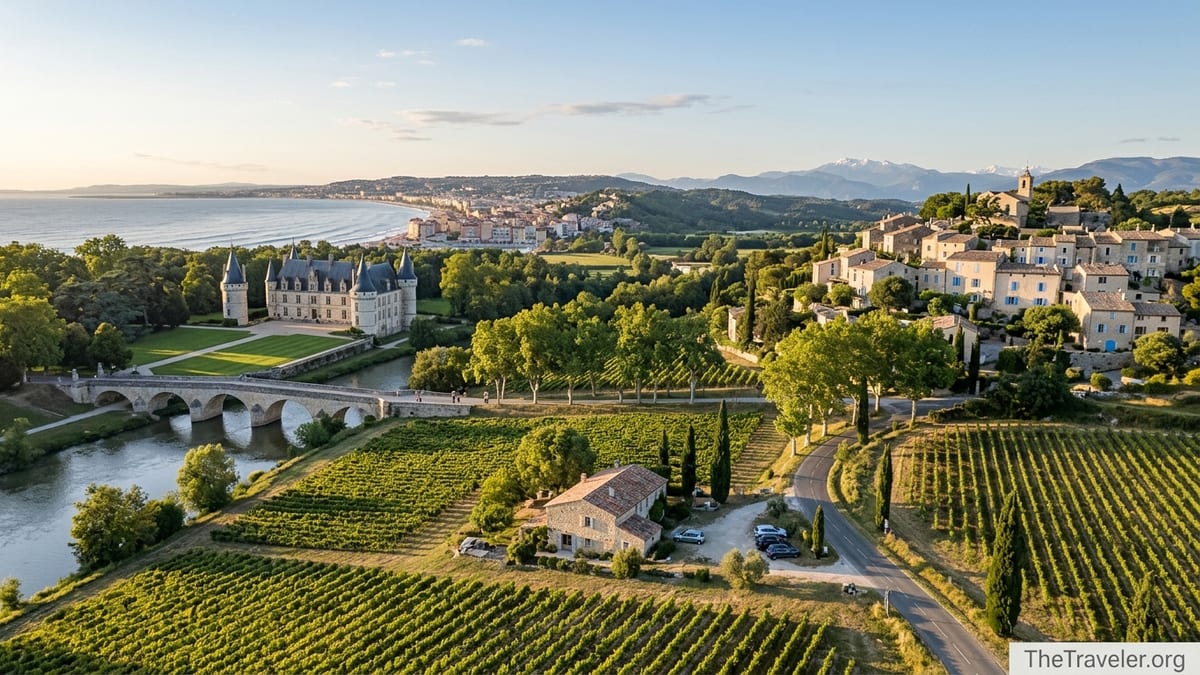
How to Use This France Destination Guide
Think of France as a collection of distinct travel "worlds" rather than a single country. Paris offers density of culture and nightlife. Provence and Dordogne deliver slow countryside days. The French Alps mean mountain air and outdoor thrills. Each region in this guide is assessed on a few key questions: Is it better for first-timers or return visitors? Is it more about museums or landscapes? Is it ideal for couples, families or both? This approach helps you make clear choices, especially if you have only one or two weeks.
Practicalities matter as much as dreams. In Paris, a centrally located mid-range hotel in 2025 often runs around 180 to 260 euros per night for a double room in districts like the 5th or 11th, while a similar standard in smaller cities such as Bordeaux or Lyon can be closer to 120 to 170 euros. Train links are strong: high-speed TGV or low-cost Ouigo services radiate from Paris to hubs like Lyon, Bordeaux, Strasbourg, Nice, Nantes and Rennes, making it realistic to combine two or three regions in one trip without renting a car for your entire stay.
Seasonality also shapes the experience. Coastal regions such as Nice, Brittany and Corsica are at their busiest from late June through August, when prices climb and beaches fill with local holidaymakers. Countryside and wine regions, including Bordeaux, Loire and Alsace, are delightful in late April to June and September to early October, when vineyards are green, temperatures are mild and roads are calmer. The French Alps excel in winter sports from December to March, but increasingly attract hikers and families in July and August.
Use the sections below to match regions to your priorities: architecture-rich cities, quiet countryside, food and wine, child-friendly beaches, or a mix of everything. With direct high-speed trains and regional flights, you can tailor a route that feels coherent instead of trying to "do" all of France in a single rushed circuit.
Paris, Lyon and Bordeaux: Culture, Food and Urban Energy
Paris is still the gateway for most travelers, with nearly 50 million visitors to the wider region recorded in 2024, helped by the Olympic year. The capital is unbeatable for blockbuster sights: the Eiffel Tower, the Louvre, the Musée d’Orsay, and neighborhoods like the Marais or Montmartre. For couples, Paris works best with at least four full days, leaving space to wander the Seine, linger over a 12 to 20 euro bistro lunch menu, and spend on one or two splurge dinners where a three-course tasting might start around 70 euros per person in a serious contemporary restaurant.
Lyon, two hours from Paris by TGV, is a more compact, lived-in alternative for food lovers. Its historic center and Roman ruins are impressive, but the real draw is its bouchons: traditional small restaurants serving rich plates like quenelles and slow-cooked beef. Prices here tend to be gentler than Paris, with good three-course set menus often between 30 and 45 euros. For families, Lyon is manageable in size, with funicular rides up to Fourvière, riverside bike paths along the Rhône and Saône, and a major urban park with a lake and zoo area that gives kids a break from sightseeing.
Bordeaux, reachable from Paris in about two hours by high-speed train, combines grand 18th-century stone facades with easy access to Atlantic beaches and some of the world’s most famous vineyards. The city itself works very well for long weekends: you can stay near the Garonne riverfront, wander the car-free historic center, then book half-day wine tours to nearby appellations like Saint-Émilion or Médoc. Expect simple bistro lunches around 15 to 22 euros and guided vineyard visits starting roughly in the 50 to 90 euro range per person, depending on the châteaux and group size.
For destination selection, Paris is almost essential for first-time visitors, but Lyon and Bordeaux reward travelers who want strong food scenes without the intensity or prices of the capital. Couples might combine Paris and Lyon for a mostly urban, culinary-focused week, while families sometimes choose Paris and Bordeaux, using Bordeaux as a base for beach day trips to Arcachon Bay or the giant Dune du Pilat on the Atlantic coast.
Nice, Provence and the French Riviera: Sun, Sea and Hilltop Villages
Nice sits at the heart of the French Riviera and is among the most visited cities in the country. Its palm-lined Promenade des Anglais, pebble beaches and Belle Époque hotels make it a natural choice for travelers seeking a mix of sea views and urban comforts. In high summer, sunbed rentals on private sections of beach often cost around 25 to 40 euros per day, while public stretches remain free but busy. Nice works especially well for couples who want long seaside walks, markets like Cours Saleya, and easy day trips by train or bus to Villefranche-sur-Mer, Antibes, Cannes and Monaco.
Provence, inland and along parts of the Mediterranean, offers a different atmosphere. Instead of high-rise seafront hotels, you find hilltop villages such as Gordes and Roussillon, markets in towns like L’Isle-sur-la-Sorgue, and lavender fields around the Valensole plateau and the Luberon, especially striking from late June through mid-July. Official tourism guides highlight the Gorges du Verdon, sometimes called Europe’s Grand Canyon, and the Alpilles range with villages like Les Baux-de-Provence as key landscapes: places where you can kayak along turquoise water one day and explore Roman heritage in Arles or Avignon the next.
For families, the Riviera’s beaches and boat trips are an obvious draw, but some parents find the crowds and prices in July and August intense. A common strategy is to base in a smaller coastal town west of Nice or in a Provençal village with a pool, renting a car for flexibility. A family apartment with two bedrooms in a mid-range property in late June might cost 180 to 260 euros per night in Provence, compared with 250 to 350 euros along prime stretches of the Côte d’Azur. Parking in medieval centers can be tight, so look for accommodation offering on-site spaces.
If your priority is romance and scenery, a week split between Nice and Provence works well: start with three nights in Nice for sea views and coastal train hops, then pick a base like Saint-Rémy-de-Provence or Lourmarin for four nights in the countryside. Food-wise, expect olive oil, herbs, grilled fish and chilled rosé from appellations such as Côtes de Provence or Coteaux d’Aix, often served in simple village restaurants where a main dish costs 18 to 28 euros.
Normandy, Brittany and the Atlantic Coast: Wild Shores and History
Normandy, north of Paris, combines powerful history with soft green landscapes and a long, varied coastline. Many visitors come primarily for the D-Day beaches and memorials near Bayeux, along with the spectacular island abbey of Mont-Saint-Michel, where crowds peak from late morning to mid-afternoon. Staying one night nearby allows you to walk the ramparts in the evening or early morning when tour groups have gone. Inland, the region is known for apple orchards, Calvados brandy and creamy cheeses such as Camembert, making it a delicious choice for travelers interested in rustic gastronomy.
Brittany, further west, has a different character: more rugged, with granite coasts, lighthouses and distinctive Celtic influences in music and festivals. French statistics show that visitor numbers to Brittany have grown over the past decade before levelling off, reflecting its popularity with both domestic and international travelers looking for cooler summer temperatures than the Mediterranean. Towns like Saint-Malo, Dinard and Vannes have ramparts and half-timbered houses, while the Pink Granite Coast around Ploumanac’h offers some of France’s most photogenic seaside walks, especially at sunset when boulders glow a soft pink.
For families and road-trippers, both regions are ideal. You can rent a car in Paris or Rennes and follow well-signed routes linking coastal viewpoints, beaches and towns. Campsites and family-run guesthouses are common and often more affordable than in the south, with simple double rooms in rural areas frequently in the 80 to 120 euro range out of peak August. Children tend to enjoy wide sandy beaches, fortified towns where they can run along ramparts, and creperies serving both savory galettes and sweet crêpes for about 8 to 14 euros per plate.
If your main interests are history and ocean scenery rather than heat or nightlife, a loop through Normandy and Brittany can easily replace the Riviera in summer. Couples might pair a two-night stay in Honfleur or Deauville with three or four days in Brittany, choosing a coastal base like Saint-Malo or a quieter fishing village for longer walks and seafood dinners.
Loire Valley, Dordogne and Alsace: Storybook Countryside and Wine
The Loire Valley embodies the French chateau dream. Along the Loire River and its tributaries stand Renaissance castles such as Chambord, Chenonceau and Amboise, many of which now see close to or more than one million visitors in strong years. The region appeals to travelers who picture leisurely days of castle visits followed by wine tastings and bike rides along flat riverbank paths. Towns like Tours or Blois make good bases, offering direct trains from Paris in about 1.5 hours and plenty of hotels and rental apartments. Day tours that bundle two or three major chateaux and tastings commonly start around 90 to 130 euros per person.
Dordogne, in southwest France, feels more remote and timeless. Official regional descriptions emphasize its concentration of prehistoric sites, including the famous Lascaux cave complex near Montignac and the Font-de-Gaume cave, where visitors can still see original Paleolithic paintings. Medieval castles like Beynac-et-Cazenac overlook bends of the Dordogne River, while stone-built villages such as Sarlat-la-Canéda are atmospherically lit at night. This is excellent territory for travelers who enjoy canoeing, long lunches and small weekly markets. Rental gites with pools are common, so families and groups often base here for a week at a time and explore in a slower rhythm.
Alsace, in eastern France near the German border, offers yet another flavor of French countryside. Vineyards climb the lower slopes of the Vosges mountains, villages like Riquewihr and Eguisheim have half-timbered houses and cobbled lanes, and the region is famous for white wines including Riesling and Gewurztraminer. Strasbourg and Colmar, the main cities, are connected to Paris by high-speed trains and are easy starting points for renting a car or joining small-group wine tours. Alsace is particularly atmospheric in December, when Christmas markets fill squares with wooden stalls and lights, although prices and crowds increase accordingly.
All three regions are strong candidates for travelers who value calm and character over nightlife. Couples might choose the Loire or Alsace for shorter trips due to their train accessibility, while Dordogne makes more sense if you are happy to drive and stay longer in a single rental house. Food is hearty everywhere: duck confit and walnut cake in Dordogne, goat cheeses and light whites along the Loire, and tarte flambée and choucroute in Alsace, typically priced at 14 to 22 euros for main dishes in small-town restaurants.
French Alps and Corsica: Outdoor Adventure and Dramatic Scenery
The French Alps stretch along the eastern border with Switzerland and Italy, offering high peaks, alpine lakes and resorts that change character with the seasons. In winter, destinations such as Chamonix, Val d’Isère or Les Trois Vallées attract skiers and snowboarders from across Europe. A six-day lift pass in major ski areas can easily exceed 300 euros per adult in peak periods, and accommodation in slopeside apartments or chalets is priced accordingly. Outside snow season, however, prices drop and the same cable cars and mountain railways give hikers access to panoramic trails and family-friendly viewpoints.
For couples and families who love fresh air more than museums, a summer week in the Alps can be a highlight of a France itinerary. Base towns like Annecy, with its turquoise lake and canals, or smaller resorts such as Samoëns and Morzine, offer swimming, biking and easy valley walks for children. Outdoor markets sell local cheeses like Beaufort and Reblochon, charcuterie and fresh berries; picnic lunches from a market stop and a bakery might cost 8 to 12 euros per person and can be eaten by alpine streams or on lakeside lawns. Weather in July and August is generally warm but changeable, so packing layers and light rain gear is essential.
Corsica, an island in the Mediterranean, feels almost like its own small country. Tourist boards emphasize its blend of villages, coastline and mountains: fortified towns such as Calvi and Bonifacio, wild interior gorges where rivers carve rock pools, and beaches with clear, shallow water near Porto-Vecchio and Ajaccio. Some villages, including Piana and Sant’Antonino, are officially listed among the most beautiful in France. Summer brings music festivals, busy seaside promenades and crowded ferries, while May, June and late September are softer in both heat and visitor numbers.
Reaching Corsica involves a flight or ferry from mainland ports such as Nice, Toulon or Marseille. Once there, most travelers rent a car to reach smaller coves and mountain hamlets, as rural bus services are limited. Prices reflect the island’s popularity and logistics: a simple hotel room in a coastal town in August may easily run 200 euros or more per night, and seaside restaurant mains commonly start around 24 to 30 euros. In return, you gain access to some of France’s most memorable scenery, from the red cliffs of the Golfe de Porto to pine-fringed rivers where families swim in natural pools.
Matching Regions to Couples, Families and First-Timers
For couples on a first trip to France, a classic combination is Paris plus one contrasting region. Paris and Provence deliver urban culture followed by countryside markets and hilltop sunsets. Paris and the Loire Valley create a storybook atmosphere of riverside castles and vineyards. Paris and Nice mix city museums with days on the Mediterranean. In each case, plan at least seven nights total, ideally ten, so you are not spending every second day in transit. High-speed trains make these pairings realistic: for example, Paris to Avignon or Aix-en-Provence in about three hours, or Paris to Nice in around six hours on direct services.
Families often do best with fewer bases and more space. A practical strategy is to spend three to four nights in Paris for big-ticket sights and parks, then move to a single countryside or coast base where children can run free. Dordogne, Brittany, Normandy and the Loire Valley all work very well here, thanks to plentiful rental houses, rivers or beaches, and accessible day trips by car. In Dordogne, a typical family day might combine a morning canoe descent of the river, a picnic beneath a castle, and an evening stroll through Sarlat’s old town, while in Brittany it might involve rock pooling on a tidal beach and a visit to a lighthouse.
Budget and appetite for driving also influence region choice. Travelers who prefer to rely on trains and occasional organized tours might gravitate to Paris, Lyon, Bordeaux, Alsace and the Loire, where car-free itineraries are easiest. Those comfortable with rural driving can unlock more remote charms in Dordogne, Provence’s smaller villages, Brittany’s peninsulas or the mountain roads of Corsica. Rental car prices vary with season, but in high summer you might expect compact models to cost 50 to 80 euros per day before fuel and tolls; booking early and picking up from major hubs like Paris, Lyon or Marseille can keep costs down.
Return visitors who have already seen Paris could consider focusing their next trip around two contrasting non-capital regions. One appealing combination is the French Alps and Provence, linking alpine hiking with lavender and olive groves. Another is Bordeaux and Dordogne, for a deep dive into southwest cuisine and landscapes. Enthusiasts of architecture and wine might pick Alsace plus the Loire, moving from half-timbered villages to Renaissance chateaux without venturing near the Mediterranean at all.
The Takeaway
There is no single "best" place to visit in France, only the region that best matches your priorities for this particular trip. Paris, Lyon and Bordeaux excel in culture and food, with strong rail links that suit travelers who prefer to stay car-free. Nice and Provence deliver classic Mediterranean light and leisurely days between beaches and hilltop villages, albeit with higher prices and busier summers. Normandy and Brittany offer milder weather, rich history and family-friendly shores, while the Loire, Dordogne and Alsace provide some of Europe’s most appealing countryside drives and wine routes.
The French Alps and Corsica add another dimension entirely, promising outdoor adventure and dramatic scenery for travelers drawn more to mountains and wild coasts than to museums. For couples, these landscapes can feel intensely romantic. For families, they can become the backdrop to shared experiences like hiking to an alpine viewpoint or discovering a river swimming hole. In all cases, focusing on two or three regions, traveling a little slower, and aligning your timing with local seasons will yield a richer, more relaxed experience than racing through a checklist of names.
Start by deciding whether your trip should be city-first, countryside-first or sea-and-sun-first, then use this guide to choose the French regions that align with that vision. Once you have a rough route, you can refine the details: picking specific towns, booking trains, and reserving a few key experiences such as a vineyard tour or a guided visit to a major monument. France rewards repeat visits, but with thoughtful selection, even a first journey can feel both focused and unforgettable.
FAQ
Q1. How many regions should I combine on a 10-day trip to France?
For 10 days, most travelers are happiest with two, at most three, bases. For example, five nights in Paris and five in Provence, or four in Paris, three in the Loire and three in Bordeaux, gives you time to settle in and avoid constant packing.
Q2. Do I need to rent a car, or can I rely on trains and buses?
You can comfortably rely on trains for itineraries focused on Paris, Lyon, Bordeaux, Alsace and the Loire’s larger towns. Renting a car becomes very useful in Dordogne, rural Provence, Brittany, Normandy’s smaller coastal areas and Corsica, where public transport is limited outside main routes.
Q3. What is the best time of year to visit the French Riviera and Provence?
Late May, June and September usually offer warm weather, open beaches and lavender fields without the peak-season crowds and prices of late July and August. If you travel in high summer, booking accommodation and rental cars several months in advance is wise.
Q4. Which regions are best for families with young children?
Normandy, Brittany, the Loire Valley and Dordogne are especially family friendly, with gentle countryside, castles, boat trips and wide beaches. Many accommodations are gites or apartments with kitchens and outdoor space, making it easier to keep routines flexible.
Q5. Where should food and wine lovers focus outside Paris?
Lyon is a top choice for traditional bistros and markets, while Bordeaux and its surrounding vineyards excel in red wine and refined city dining. In the countryside, Dordogne, Alsace and Provence each have strong regional cuisines and accessible wine routes.
Q6. Is the French Alps region only worth visiting in winter?
No. While ski season is a major draw from December to March, the Alps are increasingly popular in summer for hiking, cycling, lake swimming and family-friendly outdoor activities. Resorts like Chamonix and Annecy feel almost like different destinations in warm weather.
Q7. How expensive is Corsica compared with mainland France?
Corsica is often a little more expensive because many goods are shipped in and demand is concentrated in summer. Expect higher average hotel rates and car rental costs in July and August than in coastal regions on the mainland, with better value in May, June and late September.
Q8. Which countryside region is easiest to visit without a car?
The central Loire Valley and Alsace are among the easiest, as trains link Paris with towns like Tours, Blois, Strasbourg and Colmar. From these hubs you can join day tours by minibus or bike to reach chateaux and vineyards without driving.
Q9. Are Normandy and Brittany too similar to visit on the same trip?
They share some traits, but each has a distinct flavor. Normandy stands out for Second World War sites and creamy dairy-based cuisine, while Brittany is more Celtic in feel, with granite coasts and a strong crepe and seafood culture. Combining both works well on a longer coastal road trip.
Q10. How far in advance should I book trains and accommodation in France?
For popular periods such as July, August, school holidays and Christmas markets in Alsace, booking long-distance trains and key hotels two to three months ahead is sensible. In shoulder seasons, you usually have more flexibility, but booking at least a few weeks in advance still helps secure better prices and locations.