


Planning a first trip to France can feel overwhelming. The country is compact yet remarkably diverse, with high-speed trains linking grand cities, hilltop villages, beaches and mountains. This guide walks you through the essentials: where to go on a first visit, how to get around, what things really cost, and how to plan a realistic itinerary that balances bucket-list sights with relaxed French moments at a café terrace.
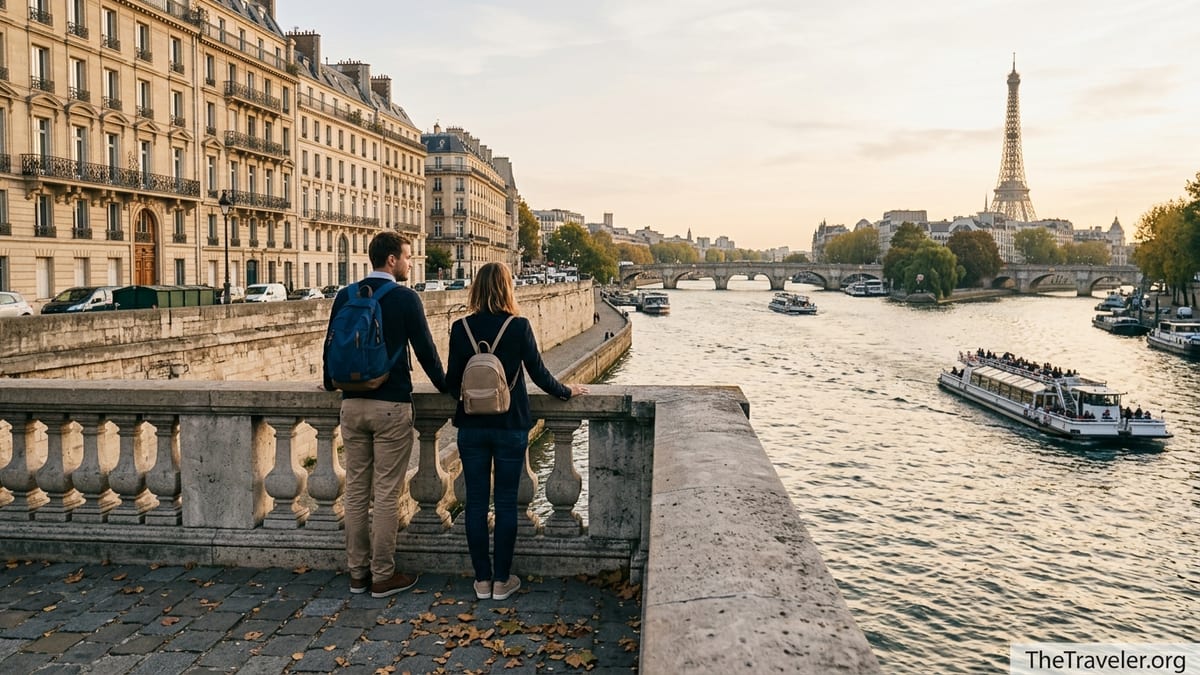
Essential France for First-Time Visitors
Most first-time trips to France start or end in Paris, then add one or two regions such as Provence, the French Riviera, Normandy, Brittany, the Loire Valley, the Alps or Corsica. Trying to see all of them in a 10-day trip will leave you exhausted. A good first itinerary might be five nights in Paris, three nights in Provence or the Riviera, and two nights in either Normandy or the Loire Valley, depending on whether you prefer coastline and history or châteaux and wine.
Think in travel “clusters” to minimize backtracking. For example, you might combine Paris, Normandy and Brittany in a loop from Paris, or Paris with the Loire Valley by train to Tours or Blois. Another classic combination is Paris plus a flight or TGV to Nice, then explore the French Riviera and nearby hilltop villages like Èze or Saint-Paul-de-Vence. If you want mountains, look at Lyon or Geneva as gateways to the French Alps and resorts such as Chamonix or Annecy.
France is smaller than many visitors expect. The high-speed TGV from Paris to Marseille takes about 3 hours, while Paris to Nice is around 6 hours on a direct service. That means you can comfortably include a second base far from Paris without burning an entire day in transit. As a rule of thumb, if a train route is under 6 hours, it is usually more efficient and less stressful than flying once you factor in airport transfers and security lines.
Visa and entry requirements are straightforward for many nationalities, especially travelers from the United States, Canada, the United Kingdom, Australia and much of Asia, who can currently enter for short stays without a visa and remain up to 90 days in the Schengen Area. Rules can change, so always check current requirements before booking, especially as the European Travel Information and Authorisation System (ETIAS) is expected to come into effect.
Paris: Practical Basics and Neighborhood Feel
Paris rewards slow exploration more than a checklist approach. For first-timers, staying near central neighborhoods such as the Marais (3rd and 4th arrondissements), Saint-Germain-des-Prés (6th), the Latin Quarter (5th) or around the Louvre and Opéra (1st and 9th) makes it easy to walk to many major sights. These areas have a dense mix of cafés, bakeries, grocery stores and metro lines, which simplifies everyday logistics.
Accommodation prices vary widely by season. In shoulder months like April or October, a mid-range hotel in central Paris might run around 180 to 250 euros per night for a small double room, while in peak summer or during events prices can easily climb to 300 euros or more. Many visitors choose simple two or three-star hotels with small elevators and compact rooms. If you prefer an apartment-style stay, look for professionally managed aparthotels with a reception desk and clear cleaning policies.
Public transport in Paris is comprehensive and, by big-city standards, relatively good value. A single metro or RER ticket within central Paris currently costs just over 2.50 euros, and a rechargeable Navigo Easy card lets you load multiple tickets without handling paper stubs. For a first visit of four or five days where you take several rides daily, day passes or a weekly Navigo valid Monday to Sunday can be cost-effective. Expect to swipe through turnstiles often: a typical sightseeing day might include rides between Montmartre, the Louvre, the Eiffel Tower and the Latin Quarter.
When budgeting sightseeing, remember that many of the iconic Paris experiences are free or low-cost: strolling along the Seine, people-watching in the Luxembourg Gardens, exploring covered passages near the Grands Boulevards or browsing neighborhood markets like Marché Bastille. Major museums such as the Louvre and Musée d’Orsay charge entry, and timed reservations have become common, so it is wise to prebook at least one or two headline attractions to avoid long waits.
Provence and the French Riviera
South of Lyon, the landscape shifts to Provence, with its vineyards, lavender fields in season and honey-colored villages, while the French Riviera hugs the Mediterranean between roughly Cannes and Menton. Many first-time visitors base in Avignon, Aix-en-Provence or Arles to explore Provence, then continue by train or car to Nice or Antibes on the Riviera. For example, you might spend three nights in Avignon, visiting nearby hilltop villages like Gordes and Roussillon, then ride the TGV to Nice for three nights by the sea.
In Provence, distances look short on a map but rely heavily on rural roads. A drive from Avignon to the hilltop village of Gordes takes around an hour each way with summer traffic, and nearby Roussillon is another 15 to 20 minutes. Having a rental car here makes it much easier to link several small villages in a day, stopping for a long lunch in a town square and detouring to a vineyard or olive oil mill. If you do not want to drive, consider small-group day tours from Avignon or Aix that bundle several villages into a single outing.
The French Riviera is more urbanized and connected by frequent regional trains and coastal buses. Staying in Nice, for instance, gives you easy day-trip access to Cannes, Antibes, Menton and Monaco in under an hour by train. From Nice you can also ride a bus or drive up to hill villages such as Èze, where stone lanes and Mediterranean views contrast sharply with the busy Promenade des Anglais below. In high summer, expect significant crowds on popular beaches and book sea-view hotels well in advance, as standard doubles in Nice or Cannes can reach 250 to 350 euros per night in July and August.
Weather in the south is generally mild and sunny. May, June, September and early October often provide warm days suitable for outdoor dining and coastal walks without peak-season heat. July and August can bring intense sun and crowded roads, especially on weekends when local holidaymakers join international visitors. Pack a light scarf, sunscreen and a hat, and expect early evening apéritifs to be as much a part of the experience as formal sightseeing.
Normandy, Brittany, Loire Valley and the Alps
Normandy and Brittany, northwest of Paris, appeal to travelers interested in coastal scenery, World War II history and small fishing ports. A common first-time route is to take a morning train from Paris to Bayeux, rent a car there and spend two or three nights visiting the D-Day landing beaches, the American Cemetery at Colleville-sur-Mer and harbors like Honfleur or Port-en-Bessin. Mont-Saint-Michel, perched on a tidal island near the border of Normandy and Brittany, is a highlight; visiting in the late afternoon or evening can help dodge the heaviest tour bus crowds.
Brittany, stretching westward into the Atlantic, offers rugged coastlines, lighthouses and fortified towns such as Saint-Malo. Compared to the Riviera, this region feels quieter and more local, with seafood like oysters and mussels featuring heavily on menus. A plate of crêpes or galettes in a casual crêperie might cost 10 to 15 euros, and simple harborside hotels can still be found under 150 euros per night outside of peak school holiday weeks. Because public transport is more limited away from main towns, renting a car generally unlocks the best of the region.
Southwest of Paris, the Loire Valley is known for its Renaissance châteaux, vineyards and bike-friendly paths. Many visitors base in Amboise, Tours or Blois for two or three nights, then day trip to castles like Chenonceau and Chambord. A rental bike from a shop near the Loire à Vélo route might cost around 20 to 30 euros per day, allowing you to follow riverside paths between villages and picnic in castle shadows. Trains from Paris to Tours or Blois usually take about 1.5 hours, making the Loire an easy add-on for a first trip.
For mountain landscapes, the French Alps are hard to beat. Resorts such as Chamonix, Annecy and Grenoble-area villages are accessible by train and bus from Paris, Geneva or Lyon. In winter, these become ski hubs with lift passes and chalet stays, but in summer they switch to hiking and lake swimming. Annecy, for example, combines a turquoise lake, medieval old town and alpine backdrop. A boat tour on Lake Annecy or a cable car ride in Chamonix can each run around 30 to 40 euros per adult, so it is wise to build some activity costs into your planning, not just lodging and meals.
Corsica and Island Escapes
Corsica sits in the Mediterranean southeast of mainland France, reachable by short flights from major French cities or by ferry from ports such as Marseille and Nice. For a first-time visitor who wants something wilder than the Riviera but less remote than a long-haul island, Corsica offers a good compromise: dramatic mountain ridges, clear coves and small port towns like Calvi, Bonifacio and Ajaccio. The island’s interior roads are twisty and slow, so itineraries need a bit more planning than a typical train-based trip.
Public transport on Corsica exists but is limited, with a few scenic train lines linking towns such as Bastia, Corte and Ajaccio. To explore beaches and hiking areas, most travelers rent a car, at least for a few days. Expect driving times to be longer than distances suggest; for example, a 70-kilometer drive from Bastia to Corte can take nearly two hours on mountain roads. Fuel and rental prices are typically a little higher than on the mainland, especially in peak season from late June through August.
Corsica’s climate is sunny and dry in summer, with warm sea temperatures ideal for swimming from June to September. Spring and autumn can be excellent for hiking, with cooler air and fewer crowds. However, some seasonal hotels, beach bars and boat tour companies close in the off-season, so if you travel in October or April, double-check that services like car rental offices and coastal restaurants will be open in your chosen towns.
Because reaching Corsica adds flight or ferry costs, it often works best for travelers with at least two weeks in France or those focusing primarily on the island and adding only a short Paris stay at the start or end. A sample plan might be three nights in Paris, a direct flight to Ajaccio for a week of coastal stays and hikes, then a final night near your departure airport on the mainland.
Accommodation, Trains and Driving
Accommodation in France spans simple family-run hotels, international chains, boutique guesthouses and self-catering gîtes. In popular areas like central Paris, the Riviera and Provence villages in peak season, it is normal for standard double rooms to be relatively small, often 12 to 16 square meters, with compact bathrooms. Breakfast is not always included; a typical hotel buffet with croissants, bread, yogurt and coffee often costs around 10 to 16 euros per person. Many travelers save money by grabbing breakfast from a nearby bakery instead.
France’s rail network is one of the easiest ways to move between regions. High-speed TGV lines connect Paris with cities like Lyon, Marseille, Bordeaux, Strasbourg and Lille, while Intercités and TER regional trains handle shorter hops. Booking advance, non-flexible tickets on specific trains can be significantly cheaper than buying last minute, especially for popular routes such as Paris to Nice in summer. First-time visitors often use Paris as a hub, arriving at Charles de Gaulle Airport, taking a train into the city, then later catching a TGV from Paris Gare de Lyon or Montparnasse to their chosen regions.
Driving in France is straightforward for experienced drivers, but you should factor in tolls and fuel when comparing costs with trains. Major autoroutes between cities are toll roads, with fees on a trip like Paris to Avignon adding up to several dozen euros each way. Fuel prices fluctuate but are generally higher than in North America. Many car rentals are manual transmission; if you need an automatic, reserve early and expect to pay a premium. In older town centers, streets can be narrow and parking scarce, so consider parking on the edge of historic districts and walking in.
If you plan to mix trains and driving, a common pattern is to take a TGV from Paris to a regional city such as Avignon, Nice or Rennes, then pick up a rental car at the station for countryside exploration. This avoids the stress of driving out of Paris traffic while still giving you flexibility in rural areas. When comparing prices, pay attention to one-way drop fees if you intend to pick up in one city and drop in another.
Food, Daily Costs and Weather
French food culture is a highlight of any trip, but it does not have to be expensive. A typical café breakfast in Paris might consist of a coffee and croissant for around 5 to 7 euros, whereas a more substantial sit-down brunch could easily be 20 euros or more. At lunchtime, many restaurants offer a set “formule” or menu of the day, often two or three courses for 18 to 25 euros outside the most touristy areas. In the evenings, bistros in neighborhoods like the Marais or Saint-Germain might charge 18 to 30 euros for a main course, with wine by the glass starting around 5 or 6 euros.
To stretch your budget, look for bakeries selling sandwiches or quiches for 5 to 8 euros, supermarket picnic supplies and casual crêperies. In coastal regions such as Normandy, Brittany and the Riviera, seafood platters and fresh fish are common; ordering the daily catch or a moules-frites special is often more affordable than elaborate à la carte dishes. In the countryside, small-town restaurants may close one or two days a week or keep limited hours, so check opening times and consider reserving for dinner, especially on Saturdays.
Daily costs vary by region and travel style, but a moderate budget for a couple in 2026 might be around 250 to 350 euros per day, including mid-range lodging, local transport, meals and modest sightseeing. In Paris and the Riviera in high season, it is easy to exceed that, while rural Brittany or parts of the Loire Valley may come in lower if you choose simpler places to stay and eat. Many museums offer reduced or free entry for children and young adults, so if you are traveling as a family, check age-based discounts when planning.
Weather in France is strongly seasonal. Paris and much of the north experience cool, sometimes rainy winters and mild summers, with average daytime highs in the low 20s Celsius in June and September and warmer peaks in July and August. The south, including Provence and the Riviera, tends to be sunnier and drier, with hot summers that can exceed 30 degrees Celsius. The Alps bring alpine conditions, with snow in winter and cooler nights even in midsummer, especially at altitude. Spring and autumn often offer a good balance for first-timers, with fewer crowds, pleasant temperatures and lower prices outside major holidays.
First-Time Planning Tips
For a first trip of 10 to 14 days, build your plan around a few anchor stops. For example, you might spend five nights in Paris, three nights in Avignon for Provence, three nights in Nice on the Riviera and a final night near your departure airport. Another option is a loop from Paris through Normandy and Brittany, ending with two nights in the Loire Valley before returning to the capital. Whichever route you choose, avoid switching hotels every night; staying at least two or three nights per base makes the trip feel less rushed.
Book long-distance trains and high-demand accommodations several months in advance, particularly for school holiday periods and summer in coastal or alpine regions. Once your major moves are set, leave some afternoons open for serendipity rather than scheduling every hour. For instance, you might reserve a morning guided tour of the D-Day beaches in Normandy, then keep the rest of the day free to wander Bayeux’s medieval streets or linger over cider and crêpes. In Paris, planning one or two museum visits per day is plenty; filling an itinerary with four or five major sights daily often leads to fatigue.
Language is less of a barrier than many first-timers fear, especially in major tourist areas where many people speak at least some English. Still, learning a few basic French phrases like “bonjour,” “s’il vous plaît” and “merci” creates goodwill and smoother interactions in bakeries, markets and smaller towns. Payment is straightforward: cards are widely accepted, especially contactless Visa and Mastercard, though it is still useful to carry some euros for small purchases, market stalls or rural cafés.
Travel insurance is worth considering, particularly to cover medical emergencies and trip interruptions. While France has an excellent healthcare system, visitors without European coverage can face significant out-of-pocket costs for accidents or illness. As you finalize your plans, keep copies of key documents such as passports, insurance policies and reservation confirmations in both digital and printed forms, and note down emergency contact numbers for your embassy or consulate in France.
FAQ
Q1. How many days do I need for a first trip to France?
Most first-time visitors are satisfied with 10 to 14 days, which allows five nights in Paris and one or two additional regions without constant packing and unpacking.
Q2. What is the best time of year to visit France?
Late April to June and September to early October usually offer mild weather, long daylight and fewer crowds than peak summer, especially in cities and coastal areas.
Q3. Do I need to rent a car in France?
You do not need a car in Paris or major cities, but a rental is very helpful for exploring rural Provence, the Loire Valley, Brittany, Normandy’s small towns and much of Corsica.
Q4. How much should I budget per day in France?
A couple traveling in moderate comfort might budget around 250 to 350 euros per day in 2026, covering mid-range lodging, meals, local transport and basic sightseeing.
Q5. Are trains or flights better for getting around France?
For journeys under about six hours, high-speed trains are usually more comfortable and time-efficient than flying, especially on routes like Paris to Lyon, Avignon or Bordeaux.
Q6. Is France safe for solo travelers?
France is generally safe for solo travelers, including women, though you should use standard big-city precautions such as guarding valuables and avoiding poorly lit areas late at night.
Q7. Do I need to speak French to get by?
No, but knowing a few basic phrases and greetings helps a lot. In tourist areas many people understand some English, especially in hotels, major sights and train stations.
Q8. Can I drink tap water in France?
Yes, tap water is considered safe to drink across France. In restaurants you can ask for a free carafe of tap water instead of bottled water.
Q9. How far in advance should I book trains and hotels?
Booking three to six months ahead is sensible for summer or holiday travel, especially for popular destinations like Paris, the Riviera, Provence and major alpine resorts.
Q10. What should I wear to blend in with locals?
Smart casual clothing works well. Think dark jeans or trousers, simple dresses, comfortable but neat shoes and a light jacket or scarf rather than sportswear or beachwear in cities.