


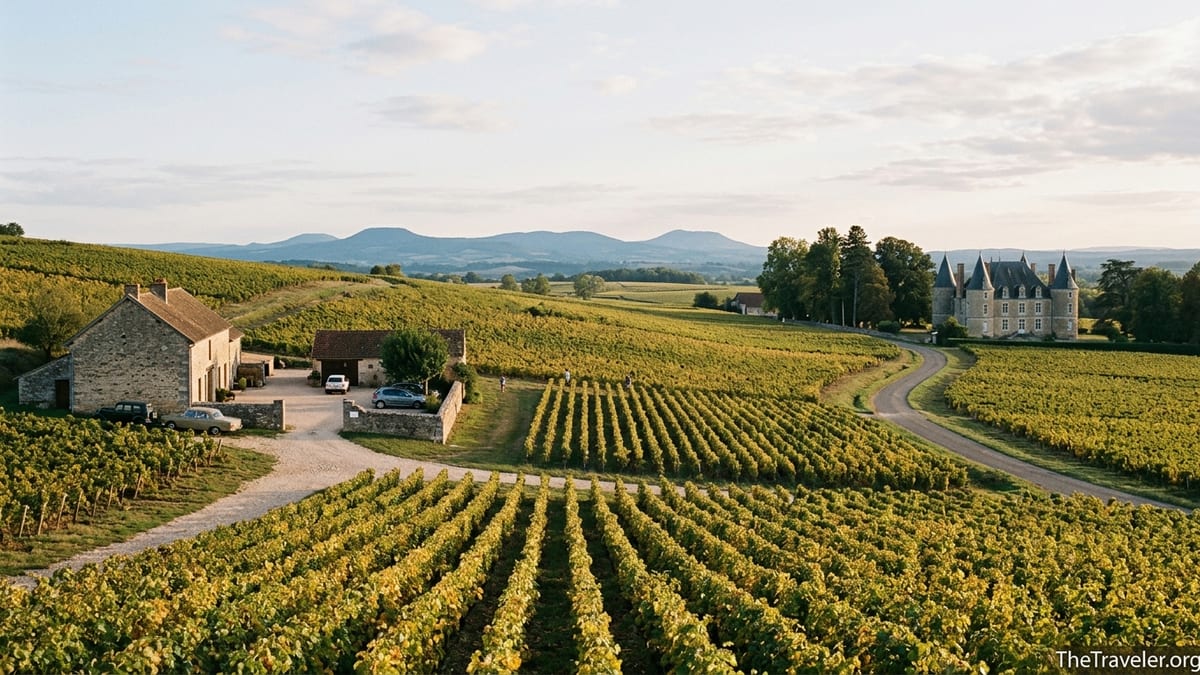
Central France is a dreamscape of turreted châteaux, vine‑covered hillsides and dormant volcanoes. Time your trip right, and you can picnic under Loire Valley castle walls without the crowds, taste new vintages in Burgundy between harvest days, or hike Auvergne’s volcanic ridges in crisp, clear air. This month‑by‑month guide compares Loire Valley, Burgundy and Auvergne to help you decide when to go for castles, vineyards, hiking, lower crowds and better hotel value.
How Central France’s Seasons Shape Your Trip
Loire Valley, Burgundy and Auvergne sit in the climatic middle of France, with marked seasons and a broadly similar pattern: cool, sometimes damp winters; mild, blossom‑filled springs; warm to hot summers; and golden, often settled autumns. Average July highs in the central Loire around Tours sit in the mid‑20s Celsius (upper 70s Fahrenheit), with cooler nights, while January days hover in the single digits. Burgundy, slightly more continental, tends to have hotter peaks and sharper cold snaps, and Auvergne’s uplands are cooler year‑round, especially at altitude on the volcanoes of the Chaîne des Puys and the Monts Dore.
Tourism and prices track these rhythms. High season in all three regions runs roughly from mid‑June to late August, when French school holidays and international visitors push up occupancy in towns such as Amboise, Saumur, Beaune and Clermont‑Ferrand. Shoulder seasons in April, May, September and early October usually bring lower hotel prices, easier last‑minute bookings and quieter château car parks. Winter is low season, with many vineyard guesthouses and small hotels closing for a few weeks in January, but also the best time to find off‑season deals and empty castle courtyards.
For vineyard experiences, the vine cycle is crucial. In the Loire, budburst often appears in April, with green, leafy rows from May and grapes ripening through August. Harvest in the Loire typically begins in September and can extend into October, depending on the appellation and style of wine. Burgundy shows a similar pattern, although in recent warm years some estates have started picking certain plots in late August. In Auvergne, the smaller, higher vineyards tend to ripen slightly later. If you dream of walking between full, green vines and tasting outdoors, late May to early October is the sweet spot, with September adding the drama of harvest.
Hiking is much more flexible, especially in Auvergne’s regional parks around the Puy de Dôme and the Sancy Massif. While serious snow can linger on the highest ridges into April, lower‑level trails are usually walkable from late March and remain attractive deep into October when beech and chestnut forests turn copper and gold. In July and August, you will share the most famous summits and lakes with French holidaymakers, so the choice often comes down to whether you prefer lively mountain cafés and open summer festivals, or quieter trails and crisp air on either side of the peak months.
Loire Valley: Châteaux, Gentle Vineyards and Riverlight
The Loire Valley’s castle belt between Orléans and Angers is one of Europe’s great road‑trip regions. Between March and early November, marquee sites such as Château de Chambord, Chenonceau and Amboise run at full hours, gardens at Chaumont‑sur‑Loire and Villandry are in bloom, and wineries in appellations like Vouvray, Chinon and Saumur‑Champigny welcome visitors into limestone cellars. From late June through August, you can expect queues at ticket offices from mid‑morning, crowded riverside parking and higher nightly rates in classic bases such as Blois, Tours and Saumur.
If your priority is châteaux with fewer people, April, May, late September and early October shine. For example, a midweek April stay in Amboise might see three‑star riverfront rooms starting around a third less than in late July, with breakfast in a half‑empty dining room and only a light flow of tour buses at Chenonceau after 10 am. You may need a light jacket and accept a chance of showers, but the trade‑off is being able to linger in castle galleries and riverside gardens without constant crowds.
For vineyards, June and early July bring photogenic rows of vines under long evenings, while September and early October coincide with harvest in many Loire appellations. In Vouvray and Montlouis, producers will often have tractors in the rows and sorting tables set up in the courtyard. Some estates open their doors for informal harvest visits, often by prior reservation, while others limit tastings to short, simple pours because the team is in the vines. If you want to watch the action but still have time for in‑depth cellar tours, plan for the shoulders: the first half of September, or the first half of October once the busiest picking is over.
Weatherwise, summer heatwaves have become more common, and July or early August afternoons along the Loire can climb well into the 30s Celsius (mid‑90s Fahrenheit). If your trip falls in this window, plan castle visits for opening time, lunch in thick‑walled troglodyte restaurants or winery caves, and late‑day strolls along the river when the light softens. By contrast, October days are often pleasantly cool for cycling between châteaux, and many local bike rental shops in places like Blois and Saumur remain open until All Saints’ holidays in early November, often with off‑peak pricing.
Burgundy: Vineyards, Harvest Season and Medieval Towns
Burgundy’s appeal centers on its vineyards and wine culture, with routes like the Route des Grands Crus threading through villages such as Gevrey‑Chambertin, Vosne‑Romanée and Puligny‑Montrachet. Spring from April to early June brings fresh green vines, flowering fields and quieter tasting rooms. Accommodation in Beaune or Dijon is typically easier to secure at reasonable rates, and you are more likely to find winemakers available for longer tastings in caveau cellars, especially midweek. Restaurants and wine bars in Beaune’s old town feel lively but not overwhelmed.
By late June through August, Burgundy warms up and visitor numbers rise. This is high season for cycling among the vines or picnicking in the shade of stone walls on the Corton hill. However, many winegrowers take short breaks in late July or early August, and by mid‑August they are focused on preparing for harvest. Tasting appointments can be harder to secure, and some small domaines pause visits altogether while they rack barrels or clean tanks. If your aim is to fill a rental car with bottles from small family producers, consider late May, June or after the main harvest period rather than the heart of summer.
The grape harvest itself usually begins in Burgundy between late August and mid‑September, varying by year and by appellation. In warmer recent vintages some estates have started picking sparkling wine grapes even earlier, with the main still‑wine harvest often concentrated over a frenetic two‑to‑three‑week window. Villages buzz with temporary workers, tractors move through the streets at dawn, and cellar doors are busy with sorting and pressing. It is a fascinating time to visit if you want to see the region at full throttle, but it is less ideal for leisurely tastings because many domaines limit or suspend visits.
Autumn, particularly late September and October, is arguably the most beautiful moment in Burgundy. Vineyards drape the hillsides in gold and rust, and Beaune’s tiled roofs glow under softer light. The air cools enough to make long walks between Pommard, Volnay and Meursault comfortable, and village wine bars switch to richer seasonal menus with game and mushrooms. Hotel prices often remain relatively high around major events such as Beaune’s famous wine auction in November, but outside those peaks you can find good value in nearby towns like Nuits‑Saint‑Georges or Chalon‑sur‑Saône, then drive or take the train into the heart of the Côte d’Or.
Auvergne: Hiking Dormant Volcanoes and Rural Quiet
Auvergne, stretching around Clermont‑Ferrand in the Massif Central, offers a very different rhythm from the Loire and Burgundy. Here, the main draws are wide horizons, crater lakes and green volcano slopes in parks such as the Parc naturel régional des Volcans d’Auvergne. The hiking season usually runs from late May to October at mid‑altitudes, with cable cars to peaks like the Puy de Dôme typically operating from spring through autumn. Snow and mud can linger on the highest routes into April, but by June the majority of marked trails are open, pastures are lush and rural guesthouses are up and running.
July and August bring French holidaymakers to lakes such as Lac Chambon and Lac Pavin, and to family‑friendly resorts like Super‑Besse, where chairlifts open for hikers and mountain bikers. Expect busier weekends, especially around Bastille Day and mid‑August, and book lakeside hotels or gîtes several months ahead if you want the most scenic spots. Temperatures at altitude are usually several degrees cooler than in the Loire or Burgundy, making Auvergne a good choice if you dislike summer heat but still want long days outdoors.
If lower crowds and long‑distance hiking are your priority, June, September and early October are ideal. In June, wildflowers pattern the slopes around the Puy Mary road pass and the GR4 and GR30 long‑distance trails see steady but manageable traffic. September often brings clear, stable weather and fewer families on the paths after schools reopen. By early October, forested valleys glow with autumn color, and prices at mountain hotels and simple auberges drop compared to the peak of summer, though some close as soon as the main holiday period ends, especially in smaller ski villages.
Winter in Auvergne can be rewarding if you enjoy snowshoeing or quiet village stays by the fire. Between December and March, smaller ski stations in Cantal and Puy‑de‑Dôme run modest lifts catering mainly to locals, and accommodation prices are relatively modest compared with the Alps. Hiking choices are limited by snow and short daylight, and some rural roads can be affected by ice, so winter is less suitable for a wide‑ranging road trip, but it is a peaceful season for a long weekend of hot springs, cheese tastings and short walks in crisp air.
Month‑by‑Month Guide: Loire Valley vs Burgundy vs Auvergne
January and February are quiet across central France. In the Loire and Burgundy many smaller hotels, country restaurants and vineyard guesthouses take winter breaks, particularly in January. Châteaux such as Chambord and Chenonceau usually stay open but with shorter daylight and wet, cold conditions, visits are brisk and photography is muted. Auvergne sees its main winter activity, with local ski hills and snowshoe trails open and rural hotels catering to weekend visitors rather than international tourists. Prices in all three regions are at their lowest, but this is not the best period if you want vineyards in leaf or full service everywhere.
March and April feel like a reawakening. In the Loire, daffodils and fruit blossoms appear in château gardens, and bike rental shops around Blois, Tours and Saumur reopen. Burgundy’s vines begin to bud towards April, though frosts are still possible, and tasting rooms become more active as winemakers finish winter cellar work. Auvergne’s lower trails start to dry out, making early‑season walks around crater lakes and through beech forests pleasant on bright days. Hotel prices remain moderate, particularly midweek, and crowds are manageable, though Easter holidays can briefly push up demand for family rooms.
May and June are among the best all‑round months to visit all three regions. The Loire enjoys long, mild days, gardens in full bloom at Villandry and Chaumont, and cycling routes along the Loire à Vélo path that are busy but rarely crowded. In Burgundy, vineyards are lush and green, wineries have more time for visitors before the intensity of summer and harvest, and events ranging from small village fêtes to food festivals animate towns like Beaune and Dijon. Auvergne offers fully open hiking trails at mid‑altitude, comfortable daytime temperatures for ridge walks and lower hotel rates than in July and August, especially outside French public holiday weekends.
July and August are peak summer. In the Loire, castle car parks fill by mid‑morning and family‑friendly attractions near Amboise, Blois and Saumur run at full tilt, with night‑time sound‑and‑light shows at some châteaux. Hotel prices and self‑catering rentals are at their highest, and dinner reservations in popular spots are advisable. Burgundy sees busy wine bars, full restaurant terraces and a mixture of visitors exploring by car, bike and train from Dijon. Some smaller wineries reduce visiting hours as they prepare for harvest or take short family breaks. In Auvergne, mountain villages and lakeside beaches come to life, but the scale is smaller and crowds thinner than in more famous alpine areas, and you can often still find last‑minute rooms in towns like Issoire, Aurillac or La Bourboule.
September and October bring a shift. In both the Loire and Burgundy, vineyards move into harvest, typically starting in early to mid‑September and often continuing into early October depending on the year and grape variety. Roads fill with harvest vans at dawn, village cafés serve early breakfasts to picking teams, and some estates host small harvest events or tastings celebrating the new vintage. Crowds at châteaux and in medieval town centers ease compared with August, and accommodation prices soften, especially after French schools resume in early September. Auvergne enjoys some of its best hiking weather in September, with stable days and fewer storms than high summer, and October offers dramatic autumn foliage on quieter trails and good value at rural inns.
November and December are transition months. In the Loire, many castle gardens move into winter mode, though some offer special autumn or Christmas lighting. Visitor numbers drop noticeably, and you can often walk into midrange hotels without advance booking outside main French holiday weeks. Burgundy’s vines stand bare but towns like Beaune come alive during wine‑related events and winter markets, which can make specific weekends busy and push up prices. In Auvergne, higher trails see the first significant snowfalls, many summer‑season hotels close, and attention shifts to Advent markets, hearty local food and short valley and village walks.
Weather, Crowds and Prices: Choosing Your Ideal Window
If your main goal is château‑hopping with minimal crowds, prioritize April, May and early October in the Loire. Temperatures are generally comfortable for walking through large estates, and group tour numbers are lower than in July and August. Hotels in Amboise, Blois and Tours often run spring and autumn packages, including breakfast and bike rental, at rates that can undercut peak summer by a noticeable margin. Midweek stays generally cost less than Friday and Saturday nights, and booking a property a short drive outside the major towns can further reduce costs while keeping you within easy reach of key sights.
For vineyard visits, particularly if you want time with winemakers, late May, June and post‑harvest October balance active vines, good weather and more generous tasting schedules. In Burgundy, larger houses in Beaune or Nuits‑Saint‑Georges accept visitors all year with structured tastings, but many small domaines are more relaxed outside harvest. Planning tastings early in the day, and avoiding weekends if possible, increases your chances of a quiet cellar and longer conversations. In the Loire, cooperative cellars and mid‑sized producers near Vouvray, Chinon and Saumur are used to receiving visitors year‑round, but their teams also have more time outside the harvest weeks.
If hiking is central to your trip, consider a split itinerary: Loire or Burgundy for a few days of castles and wine, then Auvergne for ridges and crater lakes. Late June and September are particularly strong months for such a combination, with long enough days to drive between regions, stable weather and fewer crowds. Accommodation in Auvergne, especially in rural gîtes and small hotels, tends to be cheaper than in the most popular corners of the Loire and Burgundy, so building in several nights there can balance your overall budget while adding variety to your trip.
Travelers with flexible dates often find that shifting trips by just one or two weeks can significantly change the experience. Arriving in the Loire at the end of May instead of mid‑June might mean cooler evenings but noticeably quieter castle visits. Visiting Burgundy in the first half of October after the main harvest rush offers rich autumn scenery, open tasting rooms and more hotel availability than late September. Choosing the second half of June for Auvergne rather than late July can bring lower lakefront crowds and more choice in mountain hotels, especially for stays including weekends.
Planning Real‑World Itineraries by Season
For a spring trip focused on lower crowds, a practical plan might be to fly into Paris in late April, take the train to Tours for three nights of Loire châteaux and vineyards, then rent a car and drive to Burgundy for four nights in Beaune. In the Loire, you could split your days between Chenonceau and Amboise, a cycling loop along the Loire à Vélo, and a cave tasting in Vouvray or Montlouis. In Beaune, you might book two structured tastings with well‑known producers and leave time to drop into village caveaus in Meursault or Pommard, which are often quieter in spring than in September.
For a summer family trip where swimming and outdoor activities matter as much as castles, you might combine three nights near Saumur in late June with five nights around Lac Chambon or Super‑Besse in Auvergne. In Saumur, children can enjoy troglodyte sites and boat rides on the Loire in the cooler evening, while mornings are reserved for castle visits and short vineyard walks. In Auvergne, days can revolve around lake swims, cable car rides up the Puy de Dôme, and easy hikes suitable for younger legs, taking advantage of cooler temperatures at altitude and a generally more relaxed atmosphere than coastal resorts.
For an autumn road trip aimed at vineyards and foliage, consider flying into Lyon or Paris in late September, renting a car and spending three nights in Burgundy followed by four in the Loire. In Burgundy you might base yourself in a smaller wine village, using the car for short hops to tastings and for walks among gold‑tinted vines. Then you could drive west to the Loire, timing your arrival for early October when castle gardens still have color, vineyards around Chinon and Saumur are finishing harvest, and crowds have thinned. Booking a mix of village hotels, countryside B&Bs and perhaps one night in a château‑style property will give you a feel for how accommodations and prices vary across the regions.
Whatever the season, booking ahead is wise for peak periods such as July and August, French public holiday weekends, and major regional events like Burgundy’s wine auctions and Loire garden festivals. Shoulder‑season travelers with flexible itineraries can often secure good same‑week deals, especially in Auvergne and in smaller Loire towns away from the main castle belt. However, if you have your heart set on a specific riverside hotel in Amboise, a particular wine village in Burgundy, or a lakefront auberge in Auvergne, reserving a few months in advance is prudent, even in April or October.
The Takeaway
There is no single best month to visit central France, but different windows clearly favor different priorities. For châteaux and vineyards with lower crowds and comfortable weather in both the Loire Valley and Burgundy, late April to June and late September to mid‑October offer the strongest balance of light, atmosphere and value. Auvergne adds excellent hiking and cooler summer temperatures, particularly appealing in June and September for those who want active days without high‑season pressure.
Think concretely about what matters most: quiet castle courtyards, full green vines, the theater of harvest, or elbowroom on mountain trails. Use that to choose your month and mix of regions, then fine‑tune your itinerary by staying just outside the busiest towns, planning key visits for mornings, and building in time for unscripted stops at viewpoints, village cafés and small producers along the way. With thoughtful timing, a journey through the Loire, Burgundy and Auvergne becomes less about racing between famous names and more about inhabiting central France’s landscapes at their most welcoming.
FAQ
Q1. What is the single best month overall to visit the Loire Valley, Burgundy and Auvergne together?
Many travelers find June the best compromise, with long days, green vineyards, open hiking trails in Auvergne, and fewer crowds than in July and August, though late September is a close rival if you prefer autumn colors.
Q2. When are Loire Valley châteaux least crowded but still fully open?
Late April, May and early October are usually ideal, when major sites keep full or near‑full opening hours but tour buses and school groups are fewer than in high summer.
Q3. Is it a good idea to visit Burgundy during the grape harvest?
It can be fascinating to see, but many small domaines reduce or stop tastings while picking and fermentations are in full swing, so harvest is better for soaking up atmosphere than for leisurely wine touring.
Q4. Which months are best for hiking in Auvergne’s volcano parks?
Late May through October is the main season, with June and September often offering the best balance of open trails, stable weather, cooler temperatures and lighter crowds on popular routes.
Q5. How do hotel prices compare between peak summer and shoulder season?
Prices vary by property, but in popular Loire and Burgundy towns it is common to see noticeably lower rates in April, May, late September and October than in July and early August, especially midweek.
Q6. Will I see vineyards in leaf if I travel in early spring?
By late March vines are usually just starting to wake up, with visible budburst more likely in April, so for full green rows late May onward is a safer choice.
Q7. Is it necessary to rent a car for this kind of trip?
A car gives the most flexibility for château‑hopping and small village vineyards, but you can combine trains with local taxis or guided tours if you prefer not to drive, especially between larger bases like Tours, Dijon and Clermont‑Ferrand.
Q8. How hot does it get in summer, and is it still comfortable for sightseeing?
In recent summers, afternoon highs in July and August have often climbed well into the upper 20s or 30s Celsius; it remains enjoyable if you plan main visits early or late in the day and take breaks in cool interiors.
Q9. Are many places closed in winter?
Key châteaux and larger wineries generally stay open, but smaller guesthouses, rural restaurants and some vineyard accommodations may close for several weeks in January or February, so winter trips require more advance checking.
Q10. If I want lower crowds and the best value, which region should I prioritize?
Auvergne usually sees fewer international visitors and often offers lower average accommodation prices than the Loire and Burgundy, making it a strong choice if you value space and budget over marquee castles and famous wine labels.