


Central France, stretching from the Loire Valley to Berry and the hills around Clermont-Ferrand, is one of Europe’s most rewarding regions for slow travel. It is also more affordable than Paris or the Riviera, especially if you plan your nights in advance, understand how château stays are priced and know what wine tastings and castle tickets really cost on the ground. This guide breaks down realistic, current costs so you can build a Central France itinerary that fits your budget, whether you are backpacking between small towns or planning a once-in-a-lifetime luxury château escape.
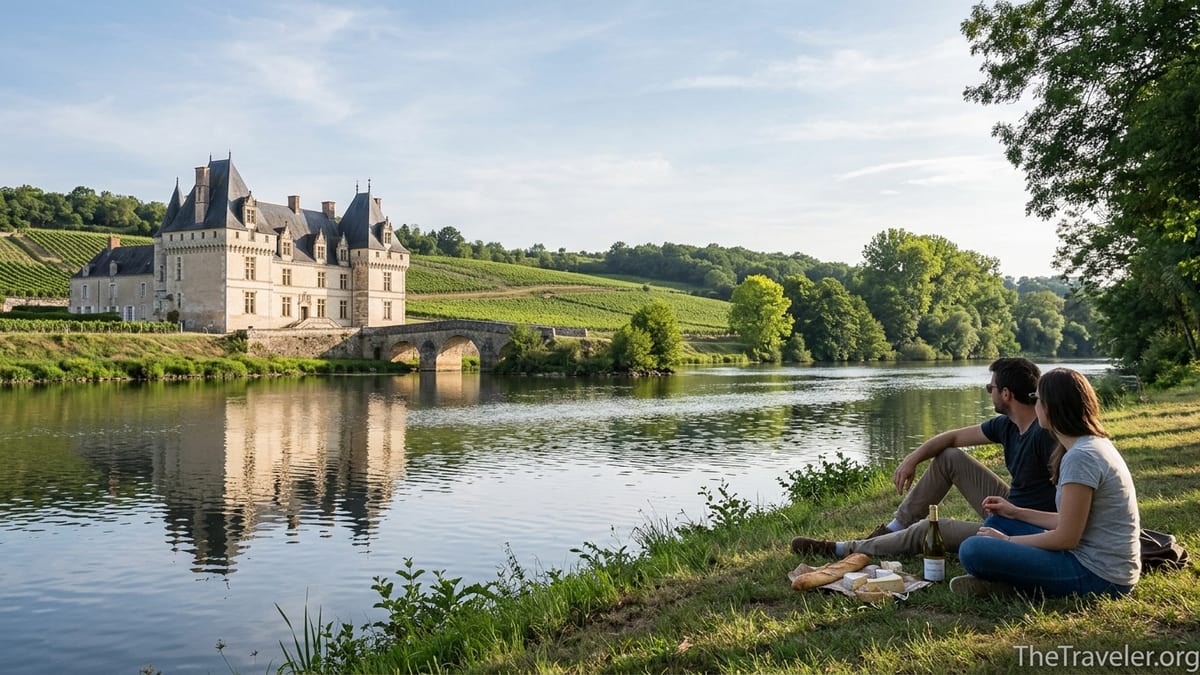
What “Central France” Costs Look Like in 2026
For trip planning, it helps to think of Central France in three broad zones: the Loire Valley around Tours, Amboise and Saumur, the historic cities such as Orléans and Bourges, and the quieter countryside stretching toward the Massif Central. Overall costs are lower than in Paris, but prices climb in peak season from late June to August and again on long weekends and during school holidays.
As a rough benchmark in 2026, a budget traveler who sticks to simple hotels or guesthouses, picnics and the occasional set lunch can get by on about 90 to 130 euros per person per day in Central France, excluding international flights. A mid-range traveler, staying in comfortable three star hotels or the more modest château hotels and eating out once or twice a day, will see daily costs closer to 150 to 230 euros. For a luxury-focused itinerary that mixes top château properties, private wine tours and fine dining, 350 to 600 euros or more per person per day is common.
These figures assume two people sharing rooms and some shared transport costs. Solo travelers should expect to pay a bit more per person, especially for accommodation and rental cars, while families who share a car and family rooms can often bring the per-person cost down. Booking several months ahead for popular château stays near Chambord or Amboise usually secures lower rates than last minute reservations in July or August.
Seasonality also matters. A night at a château hotel in the Loire that costs around 150 euros in late April can easily rise to over 250 euros for the same room in mid July. Train tickets are more stable if bought early, but advance discounts on high speed trains between Paris and Tours can sell out. If you are flexible, traveling in May, June (before school holidays) or September often delivers lower prices and fewer crowds around the main castles.
Accommodation: From City Hotels to Château Stays
Standard city hotels in Central France are generally good value compared with larger French cities. In 2026, simple but reliable two star chain hotels around Tours or Orléans, such as properties near the train stations or ring roads, often price standard double rooms between about 70 and 100 euros per night, depending on the date and how far in advance you book. Three star independent hotels in historic centers, with more character and better soundproofing, tend to range from roughly 100 to 160 euros per night for a double room with private bathroom.
Château stays understandably cost more, but not all are out of reach. At Château de la Bourdaisière, a well known château hotel in Montlouis sur Loire, published room rates start around 124 euros and rise to over 300 euros per night for larger or more prestigious rooms, with apartments from just over 200 euros. In recent summer pricing, online booking platforms have shown entry level rooms for two adults from about 150 dollars including taxes for late July dates, which is roughly in line with mid-range to upper mid-range city hotels in France. This gives a sense of how accessible a night in a real château can be if you avoid peak demand dates and opt for smaller rooms.
Other château hotels in the Loire and wider Central France region follow similar patterns. Some properties near major castles like Chambord or Chenonceau start around 130 to 160 euros per night for a classic double room and climb sharply for suites. Upmarket château hotels that market themselves as five star retreats, with fine dining and wellness facilities, often start around 300 to 400 euros per night and can exceed 700 euros for suites in high summer. If your budget is tight, consider one or two special château nights near Amboise or Saumur, then shift to more modest hotels or countryside guesthouses in nearby towns.
Breakfast is not always included, especially in château properties. Expect to pay around 12 to 20 euros per person for a typical French buffet breakfast featuring bread, pastries, yogurt, fruit and coffee. Parking at countryside châteaux is often free, while central city hotels may charge 10 to 20 euros per night for garage spaces. When comparing accommodation prices, check whether city taxes are included and whether cancellation is flexible, as nonrefundable rates can be 10 to 20 percent cheaper but tie you to specific dates.
Getting Around: Trains, Rental Cars and Local Transport
Catching the train from Paris into Central France is efficient and can be surprisingly affordable if you book early. High speed and regional trains from Paris to Tours, Orléans or Blois frequently offer advance fares in the range of 20 to 45 euros per person in second class if purchased several weeks ahead, rising to 50 to 70 euros or more when buying last minute on busy days. Slower regional trains may cost a little less but take longer, which matters if you are connecting from an international flight.
Once in Central France, many travelers rent a car to reach more remote châteaux and vineyards. In 2026, basic compact rental cars from major agencies picked up at Tours or Orléans often start around 35 to 55 euros per day in shoulder season, excluding extras and high season surcharges. In peak summer, similar cars can climb toward 70 euros per day or more, especially if stock is limited. Insurance packages marketed with names such as “Relax” or “Mega Relax” add several euros per day, so it is worth checking carefully what coverage you already have through credit cards or existing policies.
Fuel is a meaningful line item. As of mid 2026, petrol and diesel in France typically sit somewhere around 1.70 to 2.00 euros per liter, depending on the station and current market prices. A compact car that averages roughly 5 to 6 liters per 100 kilometers will therefore cost in the range of 8 to 12 euros in fuel to drive a 200 kilometer day visiting castles along the Loire. Tolls on major motorways are limited within Central France if you stay close to regional roads, but if you connect via the main autoroutes from Paris, budget another 15 to 25 euros in tolls each way.
Local buses and regional trains offer alternatives if you are avoiding driving. A short regional train hop between Loire towns, such as Tours to Amboise, can often cost around 6 to 12 euros per person depending on the specific service and how far ahead you book. Bus fares for local routes are usually even lower, but schedules may be thin on weekends or outside of school terms, so you may end up paying for taxis. Short taxi rides within towns or from train stations to château hotels commonly start around 10 to 15 euros, rising with distance and time of day.
Food, Wine and Daily Dining Costs
Central France rewards travelers who are happy to eat like locals. Most towns, from Orléans to smaller places like Chinon or Montlouis, offer fixed price lunch menus in brasseries and bistros starting around 16 to 22 euros per person for two or three courses. This might include a starter such as goat cheese salad, a main like roast pork or fish with seasonal vegetables, and a simple dessert. At dinner, mid-range restaurants frequently offer menus between 28 and 40 euros per person. Ordering à la carte, especially if you choose steaks or premium fish, will raise the total.
If you self cater some meals, supermarket prices are manageable. A baguette usually costs well under 2 euros, local cheeses can range from 3 to 7 euros for a small round, and a decent bottle of Loire wine from a supermarket or cave à vin often starts around 6 to 10 euros. A coffee at a café terrace typically costs between 2 and 4 euros depending on the town. Glasses of local wine in casual restaurants can be found in the 4 to 7 euro range for entry level selections, climbing higher for premium appellations.
Wine tourists will want to budget separately for tastings and tours. In the Loire Valley and neighboring appellations, cellar tours with tastings average around the mid 30 euro mark per person for small group experiences, according to regional wine experience platforms that aggregate offers from multiple estates. Simpler visits at family-run estates can be less, with some charging around 6 to 10 euros for a basic cellar tour and tasting that often includes a credit toward purchases. More elaborate half day tours including multiple estates and food pairings can range from about 70 to 120 euros per person.
Fine dining in Central France remains relatively good value compared with Paris, but still adds up. Tasting menus at acclaimed restaurants in cities such as Tours or at château hotels often start around 70 to 90 euros per person before wine pairings. With a mid-range bottle shared between two, the total can rise to 120 to 160 euros or more for dinner for two. Many travelers choose to splurge on one such memorable meal and balance the rest of the trip with simpler bistro dinners and picnic lunches sourced from bakers and markets.
Castles, Wine Tastings and Cultural Tickets
A highlight of any Central France trip is exploring the region’s historic châteaux. Entrance fees vary, but major sites such as Chambord or Chenonceau generally price adult tickets somewhere around 15 to 20 euros. Smaller or lesser known castles and manor houses may charge between 8 and 14 euros. Combination tickets or regional passes occasionally offer modest savings if you plan to visit several sites in a short window, though these promotions can change from one season to the next.
Many castles offer separate or combined wine experiences. Group wine tastings staged inside certain châteaux, sometimes paired with guided tours of the building, tend to cost more than standard entry tickets alone, reflecting the inclusion of wine and specialized staff. It is not unusual for château based tastings to run from about 25 to 50 euros per person depending on the number of wines and whether cheese or charcuterie is served. Check whether these experiences must be booked in advance, especially in high season when time slots can sell out.
Independent wine estates throughout Central France structure their prices in slightly different ways, but a few patterns emerge. A basic guided visit to a Vouvray cellar followed by a tasting of several cuvées may be priced near 6 euros per adult, with an optional supplement if you join additional activities such as vineyard walks or canoe trips that link to cellar tours. Half day small group tours departing from Tours or Saumur that include transport, two or three estate visits and multiple tastings generally fall somewhere between 80 and 150 euros per person, depending on group size and whether snacks or lunch are included.
Museums and other cultural sites are usually less expensive than the big castles. City museums in Orléans, Bourges or Clermont-Ferrand often charge entry fees in the 5 to 10 euro range, with some reduced or free days each month. Churches and cathedrals remain free to enter, although special towers, crypts or temporary exhibitions may have modest surcharges. When building a daily budget, a good rule of thumb is to set aside around 20 to 30 euros per day per person for sightseeing and cultural activities if you plan to visit at least one major château and one secondary site every day or two.
Sample Daily Budgets: Budget, Mid-range and Luxury
To make these costs more tangible, consider three sample daily budgets for a couple traveling in Central France, excluding international flights but including local transport, accommodation, food and typical sightseeing. These examples use 2026 style prices and assume travel in shoulder season, when rates are slightly below peak summer levels.
A budget oriented couple using regional trains and buses, staying in simple two star hotels or basic guesthouses at around 80 euros per night, could expect daily costs roughly as follows. Accommodation for two would be about 40 euros per person. Food, with one set menu lunch at roughly 18 euros, a simple casual dinner around 20 euros, and supermarket breakfasts and snacks near 10 euros, might average about 48 euros per person. Local transport and occasional taxis could add around 10 to 15 euros each, while one paid attraction every day or two averages maybe 8 to 12 euros per person per day. That yields a daily total in the region of 90 to 115 euros per person.
A mid-range couple who rents a compact car at about 50 euros per day, stays in comfortable three star city hotels or entry level château hotels at 140 to 170 euros per night and enjoys a mixture of restaurant meals and picnics will see higher numbers. Accommodation then runs roughly 70 to 85 euros per person per day. Car rental and fuel might cost around 30 to 35 euros per person when shared. Daily food, with a sit down lunch and dinner most days and perhaps one café breakfast, often lands between 45 and 60 euros per person. Add around 15 to 25 euros per person for château tickets and an occasional wine tasting, and a realistic mid-range budget falls near 160 to 205 euros per person per day.
For a luxury oriented couple staying in higher category château hotels with rates around 350 to 450 euros per night, hiring private drivers or booking private wine tours and dining at top restaurants several times during the trip, daily spending rises quickly. Accommodation alone might average 175 to 225 euros per person each night. A mix of private transfers or high end rental cars, tolls and fuel could easily add 40 to 60 euros per person per day. With tasting menus and well chosen bottles, food and wine may come to 90 to 150 euros per person. Tickets for castles, private cultural tours and premium wine experiences might then add another 40 to 70 euros per person per day, yielding an overall band of roughly 345 to 505 euros per person for a high touch itinerary.
Money Saving Strategies Without Cutting the Experience
Central France is one of the easier regions in France to visit on a modest budget without feeling deprived. One of the most effective strategies is to choose your base towns strategically. Staying in Tours rather than inside the most famous château villages often brings down hotel rates while keeping you close to train lines and day tour departures. Similarly, basing yourself in smaller towns such as Saumur or Blois can deliver better value than the very biggest tourist hubs in peak season, though you should compare actual prices for your dates.
Visiting in shoulder season, particularly May, early June and September, can yield noticeable savings on both accommodation and flights. Château hotels that may be fully booked and priced at their highest levels in late July sometimes run enticing midweek offers earlier in the season. Wine estates are usually open and less crowded, making it easier to have more personal tastings. The weather is often comfortable for cycling or riverside walks, and queues at castles are shorter.
Food and drink offer further opportunities to manage costs. Many restaurants across Central France serve more affordable fixed price lunch menus compared with dinner. Planning your main meal at lunchtime and opting for lighter evening fare from bakeries, markets and supermarkets can reduce your food spending noticeably. If you enjoy wine, buying a bottle from a supermarket or local cave à vin to enjoy back at your accommodation is almost always cheaper than ordering multiple glasses by the glass in bars or restaurants.
On the sightseeing side, group castle and wine tickets, when available, can provide modest discounts. Some tourist offices sell combined passes for several castles or guided tours around towns such as Tours or Orléans. Free activities, including exploring historic city centers, walking along the Loire or Cher rivers, visiting markets and attending occasional open air events, can fill many hours without adding to your daily expenses. Balancing paid attractions with these low cost experiences helps keep your trip both rich and affordable.
The Takeaway
Central France offers remarkable value for travelers who love history, food and wine, particularly when compared with Europe’s most heavily touristed capitals and coastal resorts. From city hotels in Tours or Orléans to atmospheric château stays among the vineyards, there are realistic options for nearly every budget if you plan for seasonal price shifts and book popular properties ahead of time.
Understanding the main cost drivers helps you shape the trip that fits you best. Accommodation and local transport, especially rental cars, will dominate most budgets, followed by food and wine for those who enjoy eating well. Castle entrances and cellar tastings are generally modest in price compared with the overall trip cost, but they add up over a week or more. With a clear sense of what rooms, meals and tastings actually cost in 2026, you can confidently choose when to splurge on a château suite or special dinner and when to opt for simpler pleasures.
Whether you are backpacking between small towns, designing a romantic week in the Loire or crafting a longer road trip through the heart of France, the region rewards thoughtful budgeting. By mixing memorable château nights with charming but simpler stays, pairing a few guided wine experiences with self guided tastings and leaning on local lunchtime menus, you can keep your daily costs under control while still enjoying the full flavor of Central France.
FAQ
Q1. How much should I budget per day for a week in Central France?
For a comfortable mid-range trip in 2026, many travelers find that about 160 to 210 euros per person per day, excluding international flights, covers accommodation, food, local transport and typical sightseeing.
Q2. Are château hotels in the Loire Valley always expensive?
No. While some château hotels charge 300 euros or more per night, others offer smaller rooms starting around 120 to 170 euros, especially outside peak July and August dates.
Q3. Is it cheaper to rent a car or rely on trains and buses?
For two or more people visiting smaller villages and multiple castles, a compact rental car shared between travelers often works out similarly in cost to relying on trains, and it offers more flexibility, though fuel and insurance must be factored in.
Q4. How much do wine tastings typically cost in Central France?
Simple cellar visits with tastings can start around 6 to 10 euros per person, while more structured small group tastings and half day tours commonly range from about 30 to 120 euros per person depending on what is included.
Q5. What do meals cost in typical restaurants?
A fixed price lunch menu in a brasserie or bistro often runs between 16 and 22 euros per person, while a three course dinner in a mid-range restaurant usually costs 28 to 40 euros per person before drinks.
Q6. How much should I allow for castle entrance fees?
Major châteaux such as Chambord or Chenonceau generally charge adult tickets somewhere around 15 to 20 euros, with smaller sites often between 8 and 14 euros, so 20 to 30 euros per day for sightseeing is a useful planning figure.
Q7. When is the most affordable time to visit Central France?
May, early June and September are usually more affordable than peak summer, with lower hotel rates, more availability at château properties and slightly less crowded castles and wine estates.
Q8. Do I need to prebook wine tastings and château tickets?
For popular châteaux in high season and for structured wine tours, advance booking is strongly recommended, while basic tastings at smaller estates are often available on a more flexible basis outside the busiest weeks.
Q9. Is tipping customary in Central France?
Service is typically included in restaurant bills, but locals often leave small additional tips of a few euros or by rounding up the total for good service, which is appreciated but not mandatory.
Q10. Can I visit Central France on a tight backpacker budget?
Yes. By choosing simple accommodation, traveling mostly by regional trains and buses, prioritizing set lunch menus and limiting paid attractions, it is possible to travel on roughly 90 to 120 euros per person per day.