


Northern France rewards patient travelers who time their trip well. The same stretch of coast can feel windswept and wild in February, quietly sunlit in May, packed with Parisian holidaymakers in August, and golden and mellow by late September. If you are planning a road trip through Normandy, Brittany and Hauts de France, choosing when to go matters as much as choosing where. This guide looks at the seasons month by month, weighing weather, coastal highlights, crowds, hotel prices, daylight hours and real driving conditions so you can match your itinerary to the experience you want.
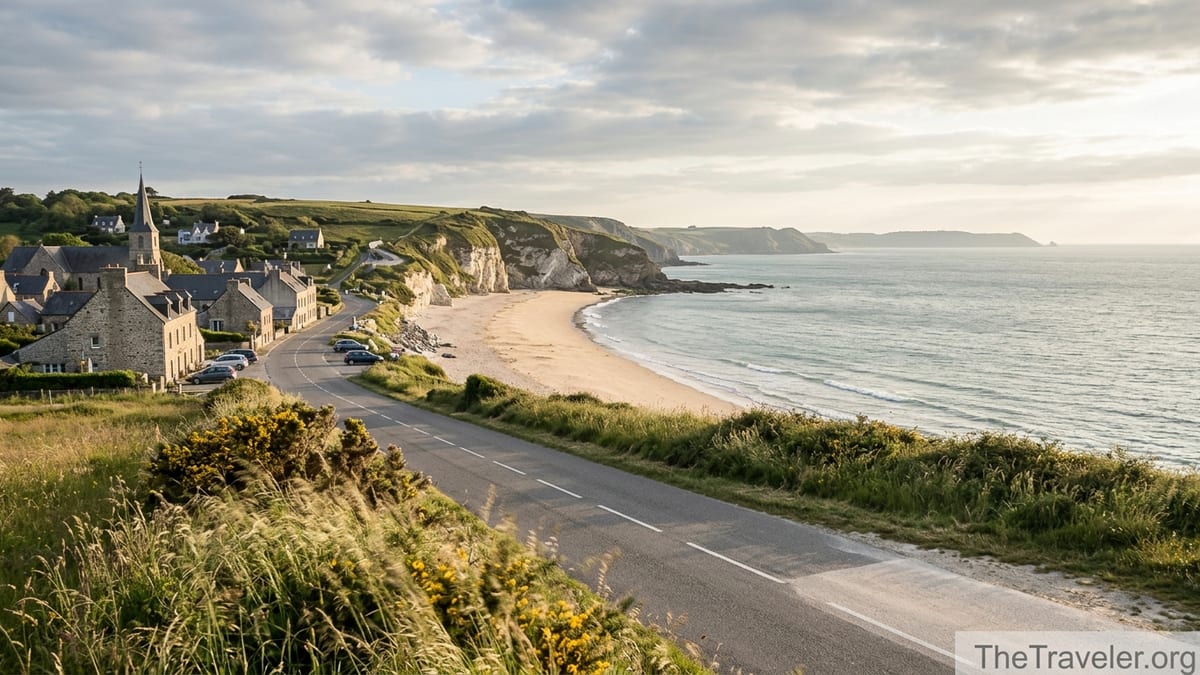
How Northern France’s Seasons Shape a Road Trip
Normandy, Brittany and Hauts de France sit on the Atlantic and Channel coasts, with a temperate oceanic climate that keeps winters relatively mild and summers rarely extreme. In Caen or Bayeux in Normandy, typical daytime highs in January hover around 8°C, rising to about 22°C in July and August. On Brittany’s far western tip at Brest, summer highs are often closer to 20°C, with more wind and cloud than the French Riviera, but fewer heatwaves and a freshness that suits active travelers.
Further north along the Opal Coast of Hauts de France, towns like Calais, Boulogne sur Mer and Dunkirk run a degree or two cooler than Normandy in summer, with bracing winds off the Channel. Expect changeable skies year round. It is common to see a mix of sun, showers and fast moving clouds in a single afternoon, which creates dramatic light for photographers but means road trippers must pack layers, waterproofs and flexible plans.
Seasonality is also driven by French school holidays and long weekends. July and especially August are peak months, when families from Paris, Lille and beyond pour into coastal resorts and major sites like Mont Saint Michel and Étretat. Hotel rates in hotspots such as Saint Malo, Honfleur or Le Touquet can easily double compared with March or November, and coastal parking lots that feel empty in May can be full by 11 a.m. in August. In shoulder seasons, you trade guaranteed heat for quieter beaches, affordable rooms and easier parking in old town centers.
Daylight is another important factor for road trips. In June, sunrise around 5:45 a.m. and sunset after 10 p.m. in Saint Malo give you very long days to combine driving, sightseeing and leisurely dinners. By contrast, in December daylight can shrink to roughly 8:30 a.m. to 4:45 p.m., limiting the number of coastal stops you can comfortably fit in before night driving, which can be stressful in heavy rain or coastal fog.
Spring (March to May): Quiet Roads and Fresh Greens
Spring is one of the most rewarding times for a coastal road trip, especially if you prioritize scenery, walking and prices over beach weather. March is still cool, with highs around 11°C in Normandy and frequent showers, but by late March and April hedgerows green up, apple orchards in the Pays d’Auge start to bud, and crowds at landmarks like the D Day Landing beaches are still relatively thin. Coastal roads near Arromanches or Omaha Beach feel open, and car parks are rarely full outside Easter weekend.
April is a transitional month. You can have crisp blue sky days at 15°C in Saint Malo one week and grey drizzle the next. French spring school holidays, usually spread between early April and early May depending on zone, bring more families, especially to major sites and bigger resorts. In practice, this means that a midweek night in early April in a small Breton port like Concarneau may still be around 80 to 110 euros for a midrange harborfront hotel, while the same room can edge toward 140 euros during Easter weeks. Prebooking becomes important around public holidays such as Easter Monday and early May bank holidays.
May is often regarded by locals as an ideal month. Daytime temperatures commonly reach 17 to 19°C, and you start to see the first genuinely warm afternoons on sheltered beaches like Houlgate in Normandy or Dinard opposite Saint Malo. Wildflowers line the clifftop paths of the GR34 coast trail in Brittany, and seaside towns reopen more cafés and ice cream stands after winter. Long daylight hours make it easy to drive from the chalk cliffs around Étretat in the morning to the half timbered streets of Honfleur in the afternoon, then still have light left for a sunset stroll along the Vieux Bassin.
Road conditions in spring are generally good, with less agricultural traffic than autumn and fewer caravans than summer. However, spring storms can roll in from the Atlantic, particularly in March and early April. On exposed stretches such as Pointe du Raz in Finistère or Cap Gris Nez in Hauts de France, strong gusts and squally showers can make cliff top walks hazardous. For road trippers, this mostly means slowing down on narrow country lanes and being prepared to adjust your walking plans rather than abandoning the whole day.
Summer (June to August): Beach Days and Busy Car Parks
Summer is peak season, and the feel of the coast changes dramatically. In June, the atmosphere is still relatively relaxed. Schools are still in session, and many French families wait until July or August to travel. Weather is often pleasantly warm, with average highs around 20°C on the Breton coast and 21 to 23°C in Normandy and Hauts de France, and long evenings where locals linger on café terraces in places like Saint Malo’s walled city or the harbor at Honfleur. For a road trip, June offers perhaps the best balance of reliable weather, long days and manageable crowds.
July brings a clear uptick in domestic tourism. Around Bastille Day on 14 July, many Parisians head to the coast, and the first wave of summer school holidays begins. Beaches at Deauville, Trouville and Cabourg in Normandy fill with striped parasols, and parking along the promenade can be tight by late morning on sunny days. Hotel prices in these classic resort towns often climb into the 180 to 250 euro range per night for midrange sea view rooms. Smaller inland bases like Pont l’Évêque or Dol de Bretagne can offer better value while keeping you within a short drive of the coast.
August is the height of the French holiday season. In Brittany, the famed Pink Granite Coast near Perros Guirec, with its surreal rock formations, can feel almost as busy as Mediterranean beaches on fine weekends. The same happens on the Opal Coast between Wissant and Wimereux in Hauts de France, particularly when British visitors add to the flow through Calais and the Channel Tunnel. Expect traffic jams at peak arrival times near ferry ports and on main access roads to popular beaches. Booking coastal accommodation several months ahead is advisable if you need specific dates in August, especially around the mid month Assumption Day holiday.
From a driving perspective, summer means more congestion but generally straightforward conditions. Roads are dry, visibility is good, and coastal scenic drives such as the route between Bayeux and Cherbourg or the stretch from Saint Brieuc to Morlaix are at their best. However, late afternoon thunderstorms can bubble up after hot days, bringing short but intense downpours that reduce visibility. Coastal car parks can fill up, so arriving early at headline sites like Mont Saint Michel, Cap Fréhel or Étretat’s cliffs can be crucial if you want easy access and stress free parking.
Autumn (September to November): Golden Light and Calmer Travel
September is often a sweet spot for coastal travelers. French schools restart in early September, and by the second week crowds on the beaches fall sharply while sea temperatures remain relatively comfortable for swimming, especially after a warm summer. Daytime highs around Saint Malo or Caen often sit near 19 to 20°C at the start of the month, sliding to the mid teens by the end. The lower sun angle casts warm light over granite harbor walls in Roscoff or the white cliffs of the Opal Coast, making this a favorite time for photographers and walkers.
Prices typically ease after the first week of September. A seafront room in a family run hotel in Le Touquet or Saint Malo that might have been 220 euros in early August can drop closer to 140 to 160 euros in late September, particularly midweek. Rental car rates also tend to fall, and you can sometimes secure automatic compact cars from major agencies in Rennes or Lille for noticeably less than in August. With more locals back at work, roadside restaurants and crêperies feel less hectic, and it is easier to find last minute tables for seafood dinners overlooking fishing harbors.
By October the character shifts again. Weather becomes more mixed, with highs around 14 to 16°C and a greater chance of Atlantic storms, especially in western Brittany and on exposed capes like Cap Sizun. Forests inland from the coast, such as the bocage countryside of inland Normandy or the forests near Compiègne in Hauts de France, turn shades of yellow and copper, adding options for inland detours on rainy coastal days. Coastal paths remain walkable, but footing can become muddy, and strong winds occasionally close access to the most exposed viewpoints for safety.
November is one of the quietest months along the northern French coast. Many seasonal ice cream stands and beach clubs are closed, and some smaller hotels, especially on remote Breton peninsulas, may shut between November and March. Daytime highs fall into the 9 to 11°C range, and showers are frequent. The tradeoff is solitude. You might have vast stretches of beach near Utah Beach or the dunes south of Dunkirk almost to yourself on weekdays. For road trips, this period suits travelers who do not mind packing rain gear and who enjoy bleak seascapes, dramatic skies and long café stops in sheltered town centers.
Winter (December to February): Storm Watching and Short Days
Winter on the northern French coast is rarely bitterly cold, but it can feel raw. In January, average daytime highs in Caen or Brest often sit around 8 to 9°C, and nights can dip close to freezing inland, though snow is relatively rare and usually brief. Winds from the Atlantic and the Channel, combined with humidity, can make conditions feel colder than the thermometer suggests, particularly on piers and cliff tops. For drivers, this means being prepared for strong crosswinds on exposed bridges such as those crossing estuaries in Normandy or Brittany.
December brings festive atmospheres to major towns. Christmas markets appear in places like Rouen or Lille, and harborfront towns such as Honfleur decorate masts and waterfront houses with lights. However, daylight is scarce, and road trippers need to plan carefully. With the sun setting before 5 p.m., it can be wiser to limit longer driving stages to the late morning and early afternoon, then settle into a base town to explore on foot after dark. This is a good time for a cozy two base trip, perhaps using Rouen for Normandy’s inland heritage and Saint Malo or Dinard for storm watching on the coast.
January and February are the quietest months in terms of tourism, apart from occasional winter school holidays in February which send some French families to the coast for long weekends. Many seafront hotels offer attractively low rates to encourage off season guests. It is not unusual to see double rooms in smaller hotels in Saint Brieuc or Cherbourg for around 70 to 90 euros, and even some upmarket spa hotels in Normandy offer midweek winter deals that can be half their August rates. Restaurant hours may be shorter, and some smaller coastal villages will feel almost entirely local, which can be a plus if you want authentic everyday life rather than holiday bustle.
Driving conditions in winter are generally manageable for experienced motorists. Major roads between Paris, Rouen, Caen, Rennes and Lille are well maintained and rarely closed by snow. The main hazards are heavy rain, gusty winds on open coastal stretches, fog on early mornings in river valleys and quickly changing conditions on country lanes. When planning a coastal road like the route between Saint Malo and the Pink Granite Coast in February, it is wise to keep driving distances modest, perhaps 150 to 200 kilometers per day, to allow for slower speeds and unplanned stops during showers.
Month by Month: Matching Your Trip to Your Priorities
Choosing the best month comes down to your priorities. For beach lounging and family friendly swimming, late July and August bring the warmest sea temperatures and the highest chance of hot days, especially after recent warm summers. That said, even in high summer, expect the Channel and Atlantic to feel refreshing rather than bath like, particularly on the Opal Coast and western Brittany. If you are comfortable with cooler water and want to avoid the busiest weeks, late June and early September often offer plenty of beach time with thinner crowds.
If your focus is history rather than swimming, such as in depth visits to D Day sites in Normandy or tracing medieval towns like Dinan, Bayeux or Montreuil sur Mer in Hauts de France, shoulder months like April, May, late September and early October usually offer the best combination of manageable crowds and generally pleasant walking weather. In April in Bayeux, for instance, you may share the famous tapestry museum with school groups but are less likely to encounter the dense queues that can form in late July. On the D Day beaches, guided tours often have more time for questions in the off season, giving a more reflective experience.
For hikers and coastal walkers, May, June and September stand out. Paths like Brittany’s GR34 often run close to cliff edges and can become muddy and slippery after prolonged winter rain or in the heart of autumn. In late spring and early summer, wildflowers and gorse brighten the landscape, and daylight allows full day walks between fishing villages such as Camaret sur Mer, Morgat and Douarnenez. In September, the sea may be warmer but the sun less intense, and you are less likely to meet large groups on narrow paths.
If budget is a key factor, consider traveling between mid November and mid March, avoiding Christmas and February school vacation weeks. In these months, you can often secure both rental cars and accommodation at their lowest annual rates, particularly if you are flexible with locations. Instead of insisting on a seafront hotel in Deauville, for example, you might base yourself in a nearby inland village where charming guesthouses operate year round and drive to the coast for day trips. Just remember that some seasonal attractions, such as certain boat trips to islands off Brittany or small seaside amusement parks, may be suspended until Easter.
Regional Nuances: Normandy vs Brittany vs Hauts de France
While the three regions share a broadly similar climate, each has nuances that affect the best time to visit. Normandy generally offers slightly more settled summer weather and somewhat milder winters than Hauts de France, thanks in part to its position relative to prevailing winds. Popular drives include the Côte Fleurie between Honfleur and Cabourg, known for its Belle Époque villas, and the Cotentin Peninsula, where places like Barfleur and Saint Vaast la Hougue feel more remote. In peak months, some smaller car parks in charming harbors can fill quickly, so it is wise to arrive early in the day or visit in June or September.
Brittany extends further into the Atlantic and has a reputation for more changeable weather, particularly on its western tip. However, it also offers some of the most spectacular coastal scenery in France, from the Pink Granite Coast to the wild Finistère headlands. Summer sea breezes can provide welcome relief if other parts of France are in heatwaves, while winter storms attract photographers to lighthouses like those off Ploumanac’h or Pointe Saint Mathieu. In practice, Brittany’s larger towns such as Saint Malo, Quimper and Vannes maintain a good range of restaurants and accommodation year round, making them reliable bases even in the off season.
Hauts de France, including the Opal Coast stretching from Berck sur Mer to Calais and beyond, tends to be breezier and a touch cooler. The cliffs at Cap Blanc Nez and Cap Gris Nez provide excellent views of the English coastline on clear days, especially in spring and early autumn when haze is less of an issue. This region is particularly convenient for short breaks from the United Kingdom and the Benelux countries, with many travelers arriving by ferry or through the Channel Tunnel. As a result, weekends in late spring and summer can feel busier than midweek, with car parks near the major capes filling up early on sunny Saturdays.
In terms of seasonal closures, Normandy and Hauts de France generally keep more businesses open in winter in larger towns, thanks to their local populations and business travel, while very small Breton resort villages may feel much sleepier from November to March. If you intend to travel outside peak season in Brittany, consider basing yourself near a sizable town like Saint Malo, Brest or Lorient, where supermarkets, fuel stations and at least a handful of restaurants will be reliably open every day.
The Takeaway
There is no single best month to visit northern France for a coastal road trip; instead, there is a best month for your priorities. June and September stand out as all rounders, blending long days, relatively stable weather and easier logistics than the July and August rush. Spring brings fresh landscapes and quieter roads, summer promises beach life and festivals at the cost of higher prices and busier car parks, autumn delivers mellow light and good walking conditions, and winter offers low prices and stormy drama for travelers who pack a warm coat and flexible expectations.
When planning, think about how much driving you enjoy per day, whether you prefer buzzing resort towns or quiet fishing villages, and where your tolerance lies for wind, rain or crowds. With realistic expectations and a bit of seasonal insight, you can craft a road trip that feels aligned with the region’s rhythm rather than fighting against it. Northern France rewards those who match their travel style to its changing skies and tides, whether that means lingering over oysters in a half empty harbor in November or joining locals on a busy promenade at sunset in August.
FAQ
Q1. What is the single best month for a Normandy and Brittany coastal road trip?
For most travelers, June offers the best balance of mild to warm weather, long daylight hours, open seasonal businesses and lighter crowds than July and August.
Q2. Is August too crowded to enjoy the D Day beaches and major sites?
August is busy, especially in the middle two weeks, but you can still enjoy key sites by starting early, prebooking tickets where possible and focusing on less famous stretches of coastline in the afternoons.
Q3. When are hotel prices lowest in northern France’s coastal regions?
Prices are usually lowest from mid November to early March, excluding Christmas and February school holidays, when many seaside hotels run off season rates and special packages.
Q4. Is it realistic to swim in the sea in northern France?
Yes, but the water is cool. Most people swim from late June to early September, with the warmest sea temperatures typically in August, especially in sheltered bays.
Q5. Are winter road conditions difficult in Normandy, Brittany and Hauts de France?
Major roads are usually clear, and snow is uncommon on the coast, but you should be prepared for heavy rain, gusty winds and occasional fog, especially on country lanes.
Q6. How do French school holidays affect a summer road trip?
School holidays in July and August significantly increase crowds and prices in coastal resorts, so expect busier roads, fuller car parks and higher accommodation costs during those weeks.
Q7. Which season is best for coastal hiking in Brittany?
Late spring and early autumn, especially May, June and September, typically offer comfortable temperatures, good daylight and drier paths for walking the clifftop GR34 trail.
Q8. Is it worth visiting the Opal Coast in Hauts de France outside summer?
Yes. Spring and autumn bring clear views toward the English coast, beautiful light on the cliffs and far fewer visitors at viewpoints like Cap Blanc Nez.
Q9. Will restaurants and shops be open if I visit in November or February?
Larger towns such as Saint Malo, Rouen, Lille or Brest have many year round businesses, but smaller seaside villages may have limited options, especially midweek in winter.
Q10. How much driving should I plan per day on a coastal road trip?
Many travelers find 150 to 250 kilometers per day comfortable, which allows time for unhurried stops in villages, coastal walks and meals without constant rushing.