


France can feel intimidatingly expensive, but with realistic numbers and a clear sense of where the money goes, it becomes far easier to plan a trip that matches your budget. From Paris boutique hotels to village gîtes, from TGV trains to autoroute tolls, this guide breaks down what you are likely to spend in 2026 and how to keep those costs under control without missing the best of the country.
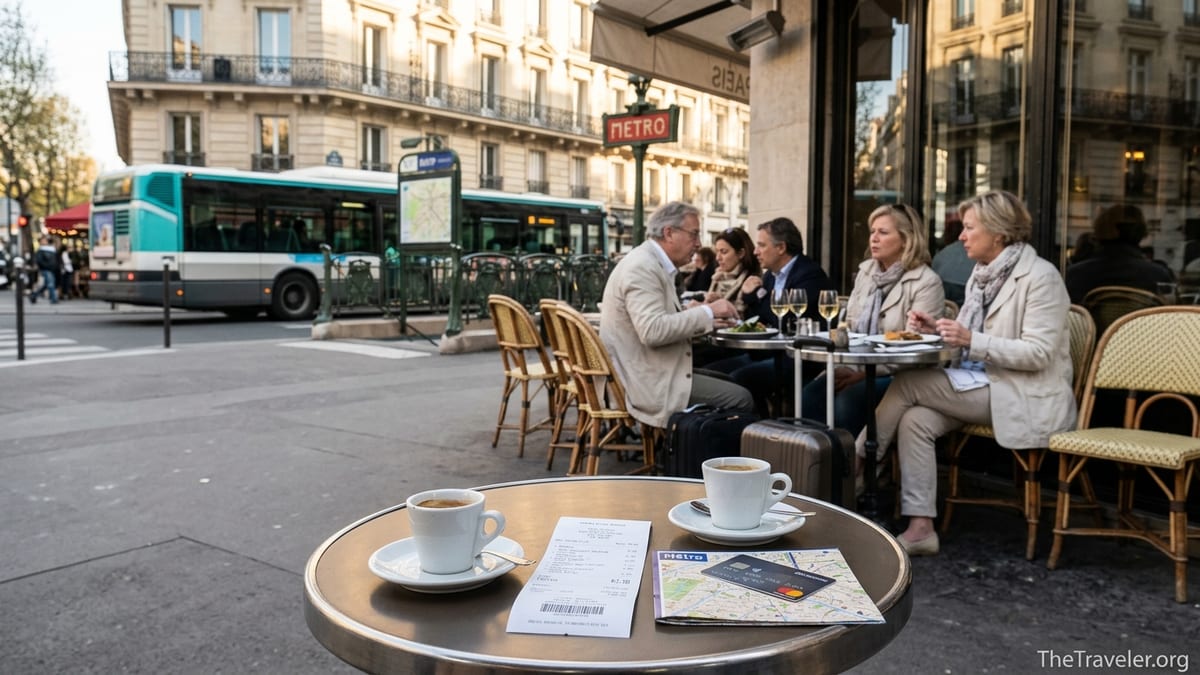
What a France Trip Really Costs in 2026
Overall prices in France have been rising in recent years, particularly for restaurants and transport, and visitors in 2026 should expect higher costs than they might remember from a pre‑pandemic trip. At the same time, there is still a wide range of options, from student hostels and picnic dinners to palace hotels and starred tasting menus. For a short city break in Paris, a careful budget traveler can still get by on roughly 110 to 160 euros per person per day, while a comfortable mid‑range city trip sits closer to 200 to 260 euros. A luxury long weekend with central hotels, taxis, and fine dining can easily exceed 400 euros per person per day.
The picture changes as soon as you head into the regions. A week exploring Alsace, Brittany, or Provence with a rental car can be gentler on accommodation costs but higher on transport, especially when motorway tolls and fuel are included. A couple sharing a small rental car, staying in mid‑range hotels or gîtes and eating in normal local restaurants, often spends around 170 to 230 euros per person per day. Opting for self‑catering apartments and more picnics can shave 30 to 50 euros per person off that figure.
Your biggest fixed costs are usually long‑distance transport into or around France, followed by accommodation. Food can be adjusted day by day. Attractions, passes and tours are typically the smallest share of the total budget in percentage terms, but they shape the quality of your experience. The sections below walk through each cost category with current, real‑world examples, before combining them into sample daily budgets for budget, mid‑range and luxury styles.
Hotels, Apartments and Where Your Money Goes at Night
In 2026, hotel prices in major French cities remain firmly seasonal. In central Paris, a clean, basic double room in a budget chain such as ibis Budget or B&B Hotels often starts around 90 to 130 euros per night in slower months like November, January or early March. During spring blossom or the summer tourist peak, the same room can jump to 150 euros or more. Simple private rooms in reputable hostels in neighborhoods such as Belleville or the Latin Quarter often run 40 to 70 euros per person, which can be good value for solo travelers.
Mid‑range travelers who want a comfortable, central three‑star hotel should expect to pay 180 to 260 euros per night for a double in districts such as the Marais, Saint‑Germain or near the Opéra. In Lyon, Marseille or Bordeaux, comparable centrally located three‑star properties more commonly fall between 120 and 190 euros per night outside the very busiest festivals and trade fairs. Boutique design hotels or four‑star properties in popular districts usually start around 250 euros in Paris and 180 euros in secondary cities, rising sharply on peak weekends.
Vacation rentals and serviced apartments have become the main alternative in city centers and in rural areas. A compact but well‑located one‑bedroom apartment in Paris that can sleep two or three guests might cost 150 to 220 euros per night in shoulder season. In smaller cities such as Strasbourg, Montpellier or Nice, you can routinely find entire apartments for 90 to 140 euros per night. In the countryside, particularly in regions like the Dordogne, Normandy or the Loire Valley, rural gîtes rented by the week can be very economical: a small stone cottage sleeping four with a simple kitchen might run 600 to 900 euros for seven nights outside school holidays, which works out to 20 to 35 euros per person per night for a family or group.
At the top end, France still excels in luxury stays. Expect to pay from around 500 to 800 euros per night for a double room at a serious five‑star hotel in central Paris, and over 1,000 euros for suites or rooms with Eiffel Tower views in famous palace properties. In wine regions such as Burgundy or Bordeaux, chic vineyard hotels and high‑end guesthouses often charge from 300 to 600 euros per night, sometimes including breakfast and a tasting. Travelers on any budget can save by visiting in late autumn or winter, avoiding large trade shows and bank holiday weekends when prices spike.
Trains, Rental Cars and Domestic Transport Costs
France’s rail network remains one of the most convenient ways to move between major cities. On flagship TGV and OUIGO high‑speed services, prices can vary dramatically by booking date and departure time. On the busy Paris to Lyon route, for instance, advance promotional fares on low‑cost OUIGO trains can be around 25 to 40 euros one way if you book weeks or months ahead on off‑peak days. Flexible TGV INOUI fares on popular Friday afternoon or Sunday evening departures can climb to 90 to 130 euros or more for the same journey. Similar patterns exist on routes such as Paris to Marseille, Bordeaux or Strasbourg.
On regional TER trains, which link smaller cities and towns, pricing is usually simpler and less volatile. A regional ticket from Bordeaux to Arcachon for a day at the beach often costs around 10 to 15 euros one way, relatively stable even when bought at short notice. Suburban RER and metro tickets inside the Paris region are much cheaper on a per‑ride basis. A single ticket for the Paris metro and central RER zones sits in the low 2 euro range in 2026, and day passes or Navigo week passes can offer better value if you are riding multiple times per day.
Many visitors, especially those exploring wine regions or rural areas, opt for a rental car. Daily rental rates in 2026 for a compact manual car picked up at a major airport or railway station often fall between 30 and 55 euros per day in low and shoulder seasons when booked in advance, but can rise to 70 euros or more in July and August. Automatic transmissions usually add 10 to 20 euros per day. One‑way drop fees, extra drivers, and insurance can add substantially to the bill. Full protection packages that reduce your excess to nearly zero may double the base rental cost, so it is worth carefully checking what coverage your credit card offers before adding everything at the counter.
Driving also means paying for fuel and, on many long‑distance journeys, the French autoroute tolls. Unleaded petrol has often hovered in the vicinity of 1.70 to 2.00 euros per liter in recent years, which means that a standard compact car may cost roughly 9 to 12 euros in fuel per 100 kilometers of mixed driving. Meanwhile, tolls on major concession motorways are calculated per kilometer and vary by operator but a reasonable planning figure is around 0.08 to 0.10 euros per kilometer for a normal car. For example, the toll for using the motorway between Paris and Lyon in a standard car commonly ends up in the 35 to 50 euro range each way, depending on the exact route.
Food, Cafés, and What You Actually Pay to Eat
Restaurant prices have been particularly sensitive to inflation, especially in big cities and tourist resorts. French statistical data and industry surveys show that the cost of a traditional sit‑down restaurant meal has risen noticeably over the last few years, and travelers feel that in their daily spending. In practice, a typical “menu du jour” or lunch formula at a modest neighborhood bistro in cities like Lyon, Toulouse or Nantes might be priced around 16 to 25 euros, often including a starter and main course or main course and dessert. In central Paris, particularly near major sights, similar lunch deals are more likely to fall in the 20 to 30 euro range.
For dinner, mid‑range à la carte meals in a normal restaurant often cost around 25 to 40 euros per person excluding drinks, depending on neighborhood and what you order. An evening out for two in Paris, with a shared starter, two main courses, dessert and a modest bottle of wine, frequently ends up in the 80 to 120 euro range in 2026. Another pattern observed by recent visitors is that casual fast‑food, crêperies and all‑you‑can‑eat buffets have become popular among cost‑conscious diners, where a complete meal can still be had for under 10 to 20 euros, especially at lunch.
There are cheaper options if you are willing to skip table service. Supermarkets such as Monoprix, Carrefour City or Franprix regularly sell pre‑made sandwiches, salads and rotisserie chicken. A simple jambon‑beurre baguette from a local bakery might cost about 3.50 to 5.50 euros, depending on the area. A kebab or burger menu with fries and a drink from a takeaway shop in a Paris neighborhood like Belleville or near major universities is often around 12 to 15 euros. Self‑caterers who shop in larger supermarkets on the outskirts of cities or in retail parks can assemble pasta, salads and picnic supplies at prices closer to what you might pay at home in North America.
At the higher end, tasting menus at Michelin‑starred restaurants in Paris, the Riviera or wine regions can easily start at 120 to 180 euros per person, rising to 250 euros and beyond in the most sought‑after addresses, often without wine. While these experiences can be memorable, they are not necessary for eating well. Many travelers choose one splurge dinner in a trip and balance it with several simpler bistro meals and supermarket picnics. A common budgeting rule is to assume about 30 to 45 euros per person per day for food if you mix casual dining and self‑catering, 50 to 80 euros per day if you enjoy a sit‑down restaurant most days, and over 100 euros per day if you plan frequent gourmet meals and cocktails.
Attractions, Passes, Tours and Hidden Extras
Entry fees to major French attractions are significant but not usually the dominant part of a daily budget. In 2026, headline museums and monuments charge broadly as follows. The Louvre in Paris sets adult tickets in the 20 to 25 euro band. The Eiffel Tower’s lift tickets vary depending on how high you go and whether you climb stairs or use elevators, but visitors should expect to spend roughly 20 to 30 euros per adult to reach the top via lift. At the Palace of Versailles, a standard passport ticket that includes the palace and main gardens typically falls around 20 to 30 euros, with musical fountain days and special events costing more.
Many regional museums and heritage sites are cheaper. A visit to the Musée des Beaux‑Arts in Lyon, the Mucem in Marseille, or a typical cathedral treasury often costs between 8 and 15 euros per adult. In wine country, cellar tours and tastings at mid‑range producers can be surprisingly affordable: in Burgundy or the Loire Valley, a one‑hour cellar visit with three or four wines might cost 15 to 25 euros per person, sometimes waved or reduced if you buy bottles. In coastal areas like Normandy or Brittany, open‑air sights such as beaches, coastal paths and historic town centers are free, which helps balance out paid museums.
Guided tours and day trips can quickly add up. A small‑group walking food tour in a central Paris neighborhood might cost 90 to 130 euros per person for three to four hours of tastings and commentary. Full‑day minibus excursions from Paris to the Loire châteaux or to Champagne often range between 180 and 250 euros per person, usually including transport, guiding and some admissions. In Provence, day tours to hilltop villages or lavender fields are commonly priced around 100 to 160 euros per person. Private guides or chauffeured cars cost considerably more, often starting at 350 to 600 euros per day for a car and driver‑guide.
Travelers sometimes forget to budget for smaller extras that accumulate over a week. Public toilets in certain train stations or tourist areas still charge small fees, usually around 0.50 to 1 euro. Café terraces in prime spots may apply a “Paris view” premium to drinks. Hotel city taxes, which are levied per person per night, can add several euros on top of a room rate, particularly in big cities and resort areas. While individually modest, these extras can easily amount to 10 to 20 euros per person over a typical short stay, more if you take frequent taxis or rideshares instead of public transport.
Sample Daily Budgets: Budget, Mid‑Range and Luxury
To translate all these categories into practical planning numbers, it helps to think in terms of per‑person, per‑day costs. For a budget traveler sharing a twin room, using public transport and mainly eating casual meals, a realistic daily figure in 2026 might look like this for Paris or another big city. Accommodation 60 to 80 euros per person in a shared budget hotel room or hostel. Food 25 to 35 euros with bakery breakfasts, supermarket lunches and simple bistro or takeaway dinners. Local transport 4 to 8 euros using metro passes or walking most places. Attractions 10 to 20 euros on days with paid entries, less on free‑sight days. This brings a typical budget day to around 100 to 140 euros per person, assuming you are not counting shopping.
For a mid‑range traveler who values comfort but is still cost‑aware, daily spending in cities commonly falls between 180 and 260 euros per person. A central three‑star double room might work out to 90 to 130 euros per person. Food could be 40 to 60 euros per day, with at least one sit‑down restaurant meal. Local transport including a weekly pass or occasional taxis might average 6 to 12 euros per day. Attractions and tours, such as a museum plus a guided walking tour or a Seine cruise, might add 20 to 40 euros per day when averaged over a week. Occasional splurges like a special dinner or concert can push some days higher, but others will cost less.
Luxury travelers who favor four‑ or five‑star hotels, frequent taxis or private transfers, and high‑end dining can easily spend 350 to 600 euros per person per day in Paris and the Riviera, and sometimes more. A premium central hotel may already cost 250 to 400 euros per person per night for a double room. Fine dining at this level might average 100 to 200 euros per person per day if you enjoy serious restaurants most evenings, plus 20 to 50 euros at lunch. Private drivers, business‑class rail tickets, and VIP experiences add yet another layer. Outside major cities and resort towns, luxury budgets can relax somewhat while still offering very high levels of comfort and service.
On a self‑drive trip through the countryside, budgets are shaped differently. A couple renting a compact car for 45 euros per day, adding 15 to 25 euros daily in fuel and tolls, staying in 110 euro per night rural inns or gîtes, and spending 70 euros together on food can expect a daily cost around 240 to 280 euros for two people, or roughly 120 to 140 euros each. Add 20 to 30 euros per person for occasional château entries, boat trips or wine tastings, and you have a realistic mid‑range countryside budget.
Saving Money without Spoiling the Experience
Controlling France travel costs does not necessarily mean cutting out what makes the country special. One of the most effective strategies is timing. Visiting in late October, early November, March or early April often brings noticeably lower hotel and airfare prices compared with peak summer, while many museums, markets and restaurants operate as usual. Weekdays are generally cheaper than Friday and Saturday nights for hotels in major cities. In places like Paris or Nice, simply shifting your stay by one or two days outside a major trade fair or festival can save hundreds of euros over several nights.
Another key lever is how far ahead you book trains and certain attractions. High‑speed train tickets on routes like Paris to Strasbourg or Marseille tend to be cheapest when bookings open several months in advance. Prices typically increase as the departure date approaches, especially on peak‑time trains, so it is wise to commit early to your long‑distance legs if your dates are fixed. Similarly, reserving timed entry to sites such as the Louvre or the Eiffel Tower can secure lower combined ticket and skip‑the‑line options than buying last‑minute resale tours.
Food is where day‑to‑day discipline has the most impact. Many French residents now adapt by choosing lunchtime “formule” menus rather than full evening dinners, since midday deals are commonly better value. Travelers can do the same. Make lunch your main restaurant meal when prices are lower, then opt for a lighter evening of wine and shared plates, or assemble a picnic from the market. Staying in an apartment at least part of the trip also makes it easy to have simple breakfasts at home instead of repeatedly paying café prices for coffee and pastries.
Finally, be deliberate about when to rent a car. For purely urban itineraries between, say, Paris, Lyon and Marseille, trains and local public transport are almost always cheaper and easier than driving once you factor in rental fees, parking and tolls. Save the car hire for loops through rural regions like the Dordogne, the Luberon, the Alps or Brittany’s coast, where a vehicle gives real access to villages and scenery you would otherwise miss. By segmenting your trip this way, you avoid paying for a car while it sits unused in an expensive city garage.
The Takeaway
Traveling in France in 2026 is no longer a bargain in absolute terms, but it remains highly manageable with careful planning and realistic expectations. Understanding what you are likely to pay for hotels, trains, car hire, tolls, restaurants and attractions gives you the ability to shape an itinerary that fits your own comfort level. A backpacker willing to share hostel rooms and picnic by the Seine can still enjoy Paris on nearly the same streets as a luxury traveler staying in a palace hotel, just at a very different daily rate.
For most visitors from North America, a sensible rule of thumb today is to budget a minimum of around 120 euros per person per day for a no‑frills but enjoyable trip, 200 to 260 euros per person per day for a comfortable mid‑range experience with some flexibility, and 400 euros or more for a stay defined by convenience and indulgence. Your actual figure will depend on how many long rail journeys you include, how often you dine out, and whether you spend more nights in high‑priced cities or in more modest regional towns and countryside.
Above all, remember that the main pleasures of France often cost little. Wandering a medieval old town at dusk, browsing a Saturday market, or watching the river traffic from a café terrace can be low‑cost or even free. By putting your money where it matters most to you, whether that is food, comfort, culture or scenery, you can craft a French journey that feels both financially sustainable and deeply rewarding.
FAQ
Q1. How much does a one‑week trip to France cost per person in 2026?
A reasonable estimate for one week excluding international flights is about 800 to 1,000 euros per person for a budget trip, 1,400 to 1,800 euros for mid‑range, and 2,500 euros or more for a mostly luxury stay in big cities or resorts.
Q2. Is it cheaper to travel around France by train or by rental car?
For city‑to‑city travel between major hubs, trains are usually more convenient and can be cheaper if booked early. For rural regions or itineraries with several small towns, a rental car may be more cost‑effective, especially when costs are shared between two or more people.
Q3. How far in advance should I book TGV tickets to get good prices?
High‑speed train tickets generally go on sale several months ahead and are cheapest soon after release. Booking four to eight weeks in advance for popular routes often secures noticeably lower fares than buying in the final days before departure.
Q4. What is a realistic daily food budget in France?
If you mix bakery breakfasts, supermarket or takeaway lunches and simple restaurant dinners, plan for around 30 to 45 euros per person per day. If you prefer a sit‑down restaurant for both lunch and dinner most days, 50 to 80 euros per person per day is more realistic in cities.
Q5. Are hotels more expensive than apartments in France?
In big cities, centrally located apartments can be cheaper per person than hotels when costs are shared between two or more travelers. Solo visitors often find that budget hotels or private hostel rooms are similar in price to renting a whole apartment once cleaning and service fees are included.
Q6. How much should I budget for attractions and museum entries?
In Paris and major cities, setting aside about 15 to 30 euros per person per day for museums, monuments and occasional guided tours is usually sufficient, assuming you balance paid attractions with free sights like parks, churches and street life.
Q7. How expensive are motorway tolls if I drive in France?
On major autoroutes, tolls for a normal car often average around 0.08 to 0.10 euros per kilometer. For planning purposes, a long drive such as Paris to Lyon or Paris to Bordeaux typically costs roughly 35 to 50 euros each way in tolls, plus fuel.
Q8. Is Paris much more expensive than the rest of France?
Yes, particularly for accommodation and restaurant meals near major sights. Hotel rooms in central Paris can cost 30 to 60 percent more than similar standards in medium‑sized cities, and dinner bills are often higher. Smaller towns and rural areas are generally more forgiving on the budget.
Q9. How can I keep my France trip affordable without feeling deprived?
Travel in shoulder seasons, book long‑distance trains early, make lunch your main restaurant meal, use public transport in cities, and consider staying in apartments a few nights for self‑catered breakfasts or dinners. These adjustments can significantly cut costs while preserving the essence of the experience.
Q10. Do I need a lot of cash in France, or can I rely on cards?
Most expenses, including hotels, train tickets, restaurant bills and supermarket shopping, can be paid by card. It is still useful to carry some cash for small purchases, markets, rural cafés or public toilets, but you do not need to withdraw large sums for a typical trip.