


The Loire Valley in central France is one of Europe’s most rewarding regions for a road trip, with storybook castles, riverside towns and vineyards all within a few hours of Paris. Yet its châteaux are more spread out than many visitors expect, and a rushed one-day dash from Paris often leaves people exhausted and underwhelmed. This guide walks through practical routes around Chambord, Chenonceau, Amboise, Blois, Villandry and other major Loire castles, with concrete advice on where to base yourself, how many estates to visit each day, and how to choose between self-drive and guided tours for a two to five day itinerary.
Understanding Loire Valley distances and logistics
The classic Loire castles loop sits roughly between Blois and Villandry, a corridor of about 120 kilometers. On a map the châteaux look close together, but in practice travel is slower than many first-time visitors expect. Country roads are single carriageway, speed limits vary frequently, and you will often detour down small lanes to reach an estate car park. As a rule of thumb, treat 45 minutes to 1 hour of driving time between the main clusters of castles as normal, rather than the 20 minutes often suggested by navigation apps which ignore traffic, parking and short stops.
High speed trains from Paris to the Loire are fast and frequent, particularly to Tours and Saint-Pierre-des-Corps, which you can usually reach in around an hour from central Paris. However, the headline castles such as Chambord, Chenonceau and Villandry are not on the main rail line, so even if you arrive by train you will still need to connect by rental car, taxi or organized tour for the final leg. This makes the region ideal for a self-drive trip, while visitors who prefer not to drive often find it easier to join a small-group tour based in Tours, Amboise or directly from Paris.
Because the castles are spread out, it is rarely enjoyable to attempt more than two major châteaux in a single day, especially if you want time for lunch, photos and gardens. Multi-castle passes are widely sold, but they are better suited to a two to five day trip than a single intense day. If you only have one day from Paris, it is usually smarter to book an organized tour that focuses on two of the flagship estates and possibly a winery stop than to attempt to build a complex route on your own.
Driving versus tours: how to explore the Loire Valley
For most travelers, hiring a car is the most flexible way to explore Chambord, Chenonceau, Amboise, Blois and Villandry. Recent travel reports and regional tourism materials emphasize that only a few Loire towns such as Tours, Amboise, Blois and Saumur sit directly on the rail line, while star castles such as Chambord and Chenonceau require additional transfers. A rental car allows you to link two or three châteaux over a gentle day, stop at roadside wineries, and reach smaller estates like Chaumont-sur-Loire or Azay-le-Rideau without watching the clock. Parking at the major castles is usually straightforward, with large dedicated car parks and modest flat fees or, at some estates, free parking.
That said, a car is not essential if you dislike driving. Several operators run long day trips from Paris that combine Chambord and Chenonceau with wine tasting, often leaving around 7:00 in the morning and returning late evening. These coach or minivan tours remove the stress of navigation, parking and ticket purchases, and can be good value when you factor in fuel, tolls and rental costs. Other companies run two day or three day itineraries that include accommodation in the Loire, with guided visits at Langeais, Villandry, Chenonceau and other estates, which can work well if you prefer a structured program.
A hybrid approach also works well. Many visitors take a high speed train from Paris to Tours or Saint-Pierre-des-Corps in about an hour, then collect a rental car at the station. This avoids city driving in Paris, keeps the long-distance leg relaxing, and still gives you full control over your route once in the valley. If you are nervous about driving on arrival day, you can structure your itinerary so the first afternoon is spent in a walkable town such as Amboise or Blois, and pick up a car the following morning.
How many castles per day is realistic
One of the most common mistakes in Loire Valley planning is “château overload,” when travelers try to squeeze four or five major estates into a single day. While in theory you can tick boxes this way, your memories will blur together and you will spend more time in car parks than on terraces and garden paths. A more rewarding pace is one flagship castle in depth, plus a second estate or a town in the same area, and perhaps a scenic stop such as a vineyard or river viewpoint.
As a planning baseline, allow at least three hours at Chambord or Chenonceau, including time to park, walk to the entrance, queue for tickets if necessary, and explore both interiors and gardens. Estates such as Blois or Amboise, which combine compact châteaux with atmospheric old towns immediately outside the gates, can be enjoyed in two to three hours, plus extra time if you want to linger over a café terrace or dinner. Garden-focused properties such as Villandry reward at least two hours when the weather is good, because much of the appeal lies in strolling the ornamental vegetable plots and terraces rather than rushing through.
Season also matters. In peak months such as July and August, queues and crowding can slow you down, so you may be happiest with a single major château and a small backup stop. In quieter shoulder seasons such as May, June, September and early October, it is often realistic to visit one major estate and one smaller château or town without feeling rushed. Families with children, photographers and history buffs should all plan on the lower end of castle counts per day to allow for deeper exploration and rest.
Where to base yourself: Blois, Amboise, Tours and nearby
Blois, roughly midway between Orléans and Tours, makes a strong base if Chambord is one of your top priorities. Blois itself has an engaging royal château overlooking the Loire and a compact medieval center with restaurants and cafés within easy walking distance. From Blois you can drive to Chambord in a little over 30 minutes, and Cheverny and Chaumont-sur-Loire are also within easy reach, making this a good option for a two or three night stay focused on the eastern side of the valley.
Amboise is another popular base, particularly for first-time visitors who want a small-town feel. The Château d’Amboise rises directly above the town center, and the Clos Lucé, Leonardo da Vinci’s final residence, sits a short walk away. From Amboise it is straightforward to reach Chenonceau in around 30 minutes by car, while Blois and Chaumont are within an hour, and Tours is close enough for an evening meal or train connection. Many travelers report that Amboise offers a good mix of castle access, river views and relaxed dining options, ideal for a three night stay.
Tours, by contrast, functions as the region’s transport hub and largest city. The high speed rail station at Saint-Pierre-des-Corps serves direct services from Paris, and the area around Tours offers numerous chain and boutique hotels, apartment rentals and car hire agencies. From Tours, you can drive to Villandry in around 20 minutes, Azay-le-Rideau in about 30, and Chenonceau or Amboise in 40 to 45 minutes. If you like a livelier evening scene and easy late arrival or early departure by train, Tours is a practical base for three to five nights.
A focused 2 day Loire Valley castles itinerary
A realistic two day route for a first visit is to pair the Chambord and Blois area with Chenonceau and Amboise, staying one or two nights in a single base. One logical approach is to arrive in Blois or Amboise on day one around midday, either by driving from Paris or by train to Tours and then car or taxi. Spend your first afternoon exploring your base town’s château and old streets, perhaps Blois with its royal apartments and sound and light show in season, or Amboise with a walk up to the château terraces and dinner on the main square.
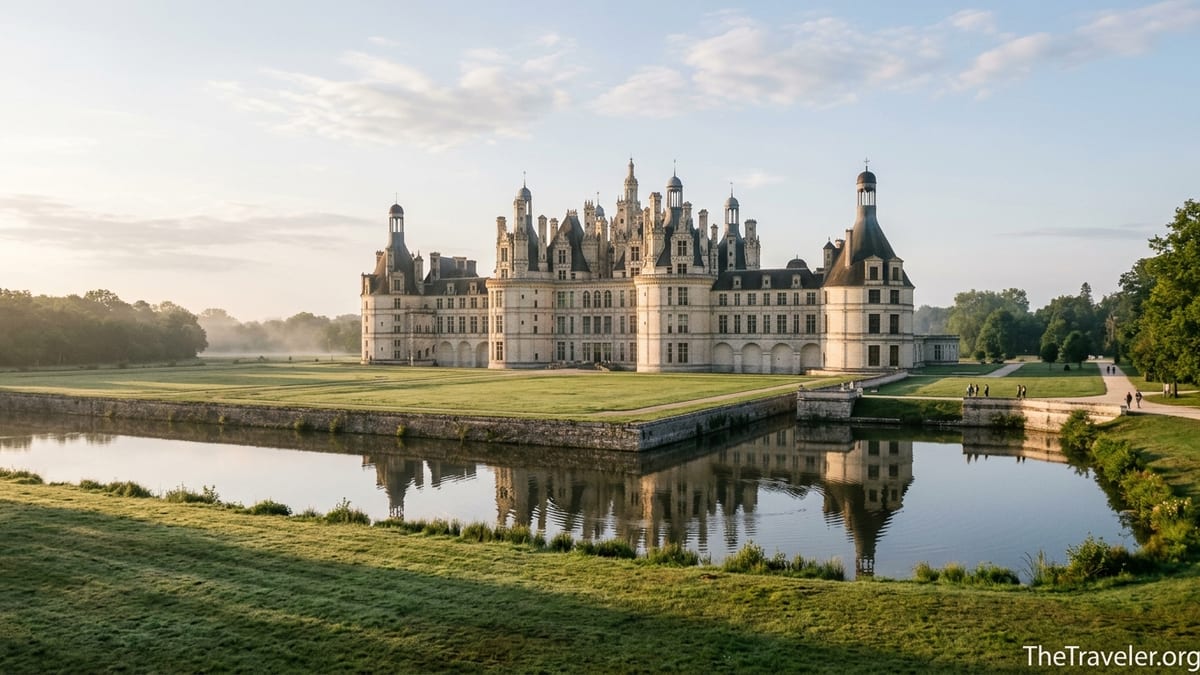
On the second day, set out early for a single flagship castle. From Blois, this might be Chambord, where you can climb the double helix staircase, wander the roofline terraces and walk or cycle among the deer-filled parklands. From Amboise, Chenonceau is an obvious choice, with its unique galleries spanning the River Cher and flower-filled gardens that merit as much attention as the interior. After three hours or so at the main château, you can decide whether you have energy for a second, smaller estate nearby, such as Cheverny near Chambord or Clos Lucé in Amboise, or whether to return to your base town for a relaxed evening.
Many travelers combine this two day loop with a longer Paris stay, treating the Loire as a short change of scene. If you are tight on time, it can make sense to base both nights in Amboise or Tours, visit Amboise and Chenonceau on one day, then make a long but manageable day trip to Chambord and Blois on the other. This does involve two drives of close to an hour, but you avoid packing and unpacking and can return to the same hotel each night.
Three to four day itineraries with Villandry and smaller châteaux
With three or four days you can add Villandry’s famous gardens and one or two smaller estates to the core loop of Chambord, Chenonceau, Amboise and Blois. One practical three day plan is to base yourself in Amboise or Tours for all nights. Spend day one exploring Amboise and Clos Lucé at an easy pace, then on day two drive east early to visit Chambord in the morning and Blois in the afternoon. On day three, head west to Villandry for a garden-focused morning, followed by an afternoon in Tours’ old town or a shorter stop at Azay-le-Rideau, known for its fairy-tale silhouette reflected in the water.
For a four day trip, you can stretch this pattern without hurrying. Keep the same base or split your stay, for example two nights in Blois and two in Tours. Days one and two could cover Blois, Chambord and Cheverny, while days three and four focus on Chenonceau, Amboise, Villandry and Tours. This pacing allows later starts, long lunches at vineyard restaurants, or a leisurely hour sitting with a glass of local white wine on a riverside terrace.
Smaller, less crowded castles can be sprinkled into these days if you want to balance the big names with quieter experiences. Chaumont-sur-Loire combines a clifftop château with a well regarded garden festival in season. Azay-le-Rideau offers intimate interiors and a compact village. Rivau and Ussé sit a little further west but can be reached easily if you are comfortable with longer drives. The key is to resist the urge to add them all. Aim for at most two châteaux per day, mixing one famous site with one more tranquil stop.
A relaxed five day Loire Valley road trip
With five days you can slow down and treat the Loire Valley as a genuine holiday destination, not just a checklist of castles. One sample route is to start with two nights in Blois, followed by three nights in Tours or Amboise. On day one explore Blois itself, then on day two devote a full, unhurried day to Chambord, perhaps adding an evening stop in Cheverny or a drive through the forests around the estate. You will have time to rent bikes at Chambord, follow one of the signposted routes through the national domain, and still linger on the terraces without watching the clock.
Day three can be a transfer day to Tours or Amboise with relaxed stops. Leaving Blois late morning, you might pause at Chaumont-sur-Loire for views over the river and its contemporary gardens, then reach your second base by mid afternoon. After checking in, stroll along the river or explore the local market streets rather than rushing straight to another château. The following day, dedicate a full morning and early afternoon to Chenonceau, arriving at opening time to photograph the arches over the river before the biggest tour groups arrive, and using the remainder of the day in Amboise for café hopping or a visit to Clos Lucé.
Your final day can then be given over to Villandry and perhaps Azay-le-Rideau, both reachable within about 30 minutes’ drive from Tours. Because you are not under pressure to return to Paris the same night, you can time your visit to catch Villandry’s gardens in the softer light of morning or late afternoon, when the compartments of vegetables and flowers photograph particularly well. In the evenings across this itinerary, you might book simple bistro dinners in town centers rather than trying to dine at the châteaux themselves, many of which close their cafés earlier than urban restaurants.
Tickets, opening times and practical tips
Most major Loire Valley castles operate year round, though hours vary by season and some smaller estates close in winter. Chenonceau, for instance, is open every day of the year, with extended hours in summer and slightly shorter days in the colder months. Other châteaux may open daily from spring to early November, then close or reduce hours over late autumn and winter, so it is worth checking the specific calendar for any castle you consider essential to your trip.
Entry prices change periodically, but you can expect flagship estates such as Chambord and Chenonceau to charge individual admission fees that are broadly comparable to major French museums, with optional extras for audio guides, small exhibitions or boat and bike rentals. Some estates charge a modest flat parking fee while others, such as Villandry or Chaumont-sur-Loire, may provide free parking. Several regional passes and combined tickets are available, including bundles that pair Chambord and Chenonceau or offer discounts if you visit three or more châteaux in the same area. These can be worthwhile on a multi day trip, particularly if you are visiting as a couple or family.
Even in high summer, the interiors of many castles remain relatively cool, so it is wise to bring a light layer even on hot days. Comfortable walking shoes are essential since you will cover uneven stone floors, staircases and extensive gardens. Many estates offer cafés or self service restaurants, but they can be busy around midday in July and August, so some travelers prefer to eat an early or late lunch or to picnic in designated areas just outside the grounds. Finally, remember that the Loire Valley is wine country; if you plan to buy bottles at a château cellar or local winery and are driving, leave space in your luggage and ensure that the driver remains within legal alcohol limits.
The Takeaway
A rewarding Loire Valley castles trip is less about cramming every famous name into a single day and more about choosing a handful of highlights and giving them room to breathe. The region’s distances and country roads make self drive the most flexible option, but high speed trains and organized tours allow non drivers to enjoy the valley comfortably. In practice, two major châteaux per day is plenty, especially when paired with a leisurely lunch, a short village stroll or a vineyard visit.
For a short break, a two or three day itinerary built around Chambord, Chenonceau, Amboise and Blois will deliver the core Loire experience. With four or five days you can add Villandry’s gardens, smaller estates such as Azay-le-Rideau or Chaumont-sur-Loire, and unhurried evenings in towns like Tours or Amboise. However you structure your route, aim for a balance of architecture, landscape and downtime, and you will leave with clear memories of turrets reflected in water, long summer twilights over the river and the sense of having truly visited the Loire rather than rushed through it.
FAQ
Q1. How many Loire Valley castles should I plan to see in one day?
Most travelers are happiest with one major château and one smaller estate or town per day. Allow at least three hours for flagship sites like Chambord or Chenonceau, plus driving, lunch and rest time, and resist the temptation to cram in four or five castles.
Q2. Is it realistic to visit the Loire Valley castles on a day trip from Paris?
It is possible but intense. Organized day tours from Paris typically include Chambord and Chenonceau plus a short stop for wine tasting, with early departures and late returns. Self drive day trips are feasible but involve several hours of driving, so an overnight stay in the Loire usually makes for a more relaxed experience.
Q3. Do I need a car to visit Chambord, Chenonceau and Villandry?
A car gives you maximum flexibility because these castles are not directly on main rail lines. However, you can reach Tours or Amboise by train from Paris and then use guided tours, taxis or shuttles to access the estates if you prefer not to drive.
Q4. Where is the best place to stay for a first Loire Valley trip?
Amboise and Tours are excellent all round bases, with good access to Chenonceau, Villandry, Chambord and Blois, along with a range of hotels and restaurants. Blois is ideal if your priority is Chambord and other eastern valley castles, while Amboise suits travelers who want a small-town feel and river views.
Q5. How many days do I need to see the main Loire Valley castles?
Two or three days are enough to see Chambord, Chenonceau, Amboise and Blois at a comfortable pace. With four or five days you can add Villandry, Azay-le-Rideau or Chaumont-sur-Loire, spend more time in towns like Tours, and avoid rushing between sites.
Q6. Are the Loire Valley castles open year round?
Flagship estates such as Chenonceau are open every day of the year, with longer hours in summer. Other castles may open daily from late winter or spring through early November and then reduce hours or close in the off season, so always check current schedules before your trip.
Q7. Can I use public transport to get between the castles?
Regular trains connect Paris with Tours, Blois and Amboise, and there are local buses to some nearby towns, but services rarely line up perfectly with castle opening times. Public transport alone can make multi castle days complicated, so many non drivers rely on day tours or occasional taxis.
Q8. Is guided tour commentary worth it at the Loire castles?
Guided tours or audio guides can add a lot of context, particularly at sites like Chambord and Blois which are rich in royal and architectural history. If you prefer flexibility, audio guides or downloadable apps let you explore at your own pace without missing key stories.
Q9. What is the best season to visit the Loire Valley castles?
Late spring, early summer and early autumn are ideal, with pleasant temperatures and gardens in full bloom at places like Villandry and Chenonceau. July and August are busier and hotter, while winter offers quieter interiors but fewer garden highlights and shorter opening hours.
Q10. Are the Loire Valley castles suitable for children and travelers with limited mobility?
Most estates welcome families and offer large grounds where children can run and explore, though some interiors involve many stairs. Accessibility varies, with some castles providing lifts or adapted routes and others limited by historic architecture, so it is wise to review each site’s access information in advance.