


Southern France rewards first-time visitors with a blend of Mediterranean light, Roman history, vineyard landscapes and glamorous coastline. From the lavender fields and stone hill towns of Provence to the beaches of the French Riviera, from the historic cities of Occitanie to the surf breaks and wine country of the southwest, this region is compact enough to explore in one trip yet varied enough to fill many returns. This guide focuses on practical planning for a first visit, with concrete examples of where to go, how to get around, what it really costs and how to make sense of the trains, roads, seasons and towns spread between Marseille and the Spanish border.
Understanding Southern France’s Regions
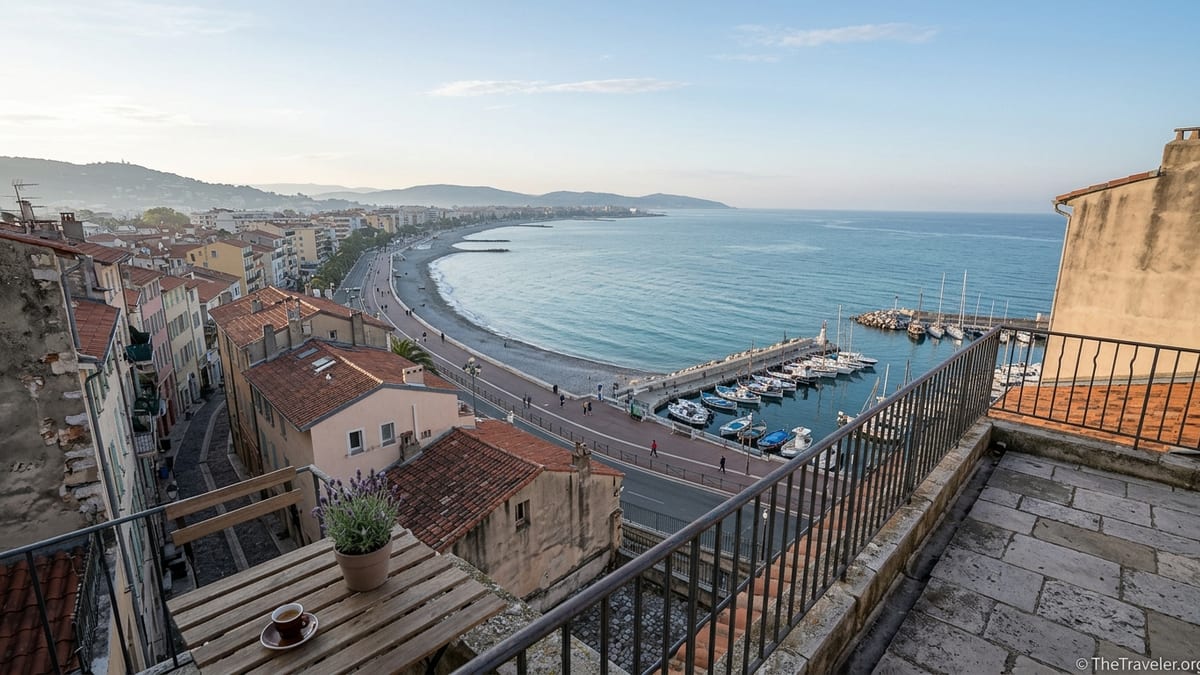
When people talk about “the south of France,” they usually mean a broad sweep from Provence in the east to the Atlantic coast in the west. For planning, it helps to think in four main areas. Provence and the inland parts of Provence-Alpes-Côte d’Azur are the land of hilltop villages such as Gordes, markets in Aix-en-Provence and Avignon, the Camargue wetlands and dramatic canyons like the Gorges du Verdon. The French Riviera, or Côte d’Azur, is the Mediterranean coastline from roughly Cassis past Nice to the Italian border, including coastal cities like Nice and Cannes and smaller spots such as Antibes and Villefranche-sur-Mer.
To the west of Provence is Occitanie, which stretches from the Pyrenees to the Mediterranean. Here you find fortified Carcassonne, the Roman arena of Nîmes, the Canal du Midi near Toulouse and long sandy beaches around Montpellier and Sète. Farther west again, the southwest often means the Atlantic side of Nouvelle-Aquitaine: Bordeaux and its wine châteaux, Bayonne and Biarritz on the Basque-influenced coast, and smaller surf towns like Hossegor. Understanding this layout makes it easier to design a realistic itinerary, for example pairing Provence with the Riviera for an 8 to 10 day trip, or combining Toulouse, Carcassonne and the Languedoc coast for a week focused on Occitanie.
Distances are manageable but not trivial. Paris to Marseille on a high-speed TGV train is typically around 3 hours, while Marseille to Nice by regional train can take approximately 2 hours and 30 minutes depending on the service. Driving from Nice to Montpellier along the coast without lengthy stops is roughly a 4 to 5 hour journey. For a first-time visitor, a common approach is to choose two main bases in different regions rather than trying to “do” all of southern France in a single loop.
Top Cities, Villages and Coastlines to Prioritize
For many first-time visitors, Marseille, Nice, Avignon, Aix-en-Provence, Montpellier, Toulouse and Bordeaux are the most useful urban anchors. Marseille offers a working port atmosphere, the historic Le Panier district and boat trips to the Calanques National Park, with hiking and small rocky coves such as Sormiou and Morgiou. Nice combines old town alleyways, the Promenade des Anglais and an airport that makes it a practical entry point. Avignon and Aix-en-Provence are smaller and more polished, useful as inland bases for exploring Luberon villages or the Rhône Valley wine country.
In Occitanie, Montpellier appeals to younger travelers with a large student population, lively tram-linked neighborhoods and easy access to Mediterranean beaches like Palavas-les-Flots. Toulouse, known as “La Ville Rose” for its pink-brick architecture, pairs riverfront promenades with an aerospace industry and direct rail links to both the Atlantic and Mediterranean sides. On the southwest coast, Bordeaux has become a polished city-break destination, with its 18th century riverfront facades and tram network, and it works well as a gateway to vineyard visits in Médoc or Saint-Émilion.
Villages are a major part of the appeal. In Provence, first-timers often target Gordes, Roussillon and Ménerbes in the Luberon, along with Les Baux-de-Provence above the olive groves near Arles. In Occitanie, many visitors combine Carcassonne’s fortified citadel with smaller towns like Pézenas or Uzès. On the Riviera, coastal villages such as Villefranche-sur-Mer and Saint-Jean-Cap-Ferrat feel more intimate than Nice while staying well connected by train or bus. On the southwest coast, Biarritz mixes grand seafront hotels with surf culture, while nearby Saint-Jean-de-Luz offers a quieter Basque town atmosphere on a sheltered bay.
Getting Around: Trains, Driving and Local Transport
High-speed trains are the backbone for long jumps. TGV services typically link Paris with Marseille, Aix-en-Provence TGV, Avignon TGV, Montpellier, Nîmes, Toulouse and Bordeaux. For example, Paris to Bordeaux can be as little as about 2 hours in good conditions, while Paris to Avignon TGV is often around 2 hours and 40 minutes. Booking advance non-flexible tickets through the official national rail channels can yield fares in the range of 40 to 80 euros for these longer segments, while last-minute flexible tickets can be higher. For first-time visitors flying into Paris, using a TGV to reach a southern hub on the same day is practical provided you leave a margin for any flight delays.
Regional trains handle most coastal and intercity journeys within southern France. On the Riviera, local TER trains connect Cannes, Antibes, Nice, Villefranche-sur-Mer and Menton, often for under 15 euros per segment if booked as standard fares. Between Marseille and Montpellier or Nîmes, regular Intercités and TER trains run multiple times per day. Services are usually reliable but can be crowded in July and August, and strikes are possible at any time of year, so it is wise to keep one flexible day in your schedule during peak seasons. In smaller inland areas, such as between Luberon villages or into mountain valleys, train coverage is limited and buses are patchy, which is where a rental car becomes useful.
Driving offers maximum flexibility for countryside and coastline detours. Major autoroutes such as the A7, A8 and A9 are well maintained toll roads. A compact rental car might cost in the region of 40 to 80 euros per day in high season when booked in advance, plus tolls and fuel. As a rough example, driving from Avignon to the Gorges du Verdon and back in a day can involve around 4 hours on the road, which is realistic only with a car. Parking in old towns like Aix-en-Provence, Nice and Bordeaux often means using underground garages with daily rates that can range from about 20 to 35 euros, so visitors sometimes prefer to choose accommodation with on-site parking outside the historic core.
Within cities, walking and trams are usually the easiest options. Montpellier, Bordeaux and Toulouse all have modern tram networks where single rides are generally a few euros. In Marseille and Nice, urban bus networks and occasional metro or tram lines connect the outlying districts with the center. On the Riviera, many beaches and headlands are accessible from train stations on foot, such as the 10 to 20 minute walk from Beaulieu-sur-Mer station to the coastal paths of Cap Ferrat. Taxis and ride-hailing services are present in large cities but harder to find late at night in small villages, so for evening dinners in rural areas you may need to drive or stay within walking distance.
Where to Stay: Hotels, Apartments and Rural Bases
Accommodation styles vary widely across southern France. In large cities such as Marseille, Nice, Toulouse or Bordeaux, international chain hotels sit alongside independent boutiques and smaller pensions. A mid-range double room in a central location might typically cost between 120 and 220 euros per night in June, with prices soaring higher during major events like the Cannes Film Festival or peak August weeks on the Riviera. In places like Avignon or Aix-en-Provence, elegant townhouses converted into guesthouses offer courtyard breakfasts and locations within a 10 minute walk of the main squares.
Rental apartments and apart-hotels suit longer stays or families. In Nice, it is common to find studio or one-bedroom apartments in older buildings a few blocks back from the Promenade des Anglais, often with small balconies and kitchenettes. In Montpellier or Toulouse, modern serviced apartments around tram lines appeal to travelers wanting more space at slightly lower prices than central hotels. In peak months, it is safer to book apartments at least several months in advance, especially if you need air conditioning, which is not universal in older stone buildings.
In the countryside, traditional gîtes and bed-and-breakfasts offer a slower rhythm. Around the Luberon, villages like Lourmarin or Bonnieux have stone farmhouses converted into small inns, often with a pool and views of vineyards or olive groves. In Occitanie’s hinterland, farm stays near Uzès or in the foothills of the Cévennes National Park give access to markets and hiking trails. In the southwest, rural guesthouses around Saint-Émilion or the Médoc often include vineyard views and optional wine tastings. For a first-time visit, picking two contrasting bases, such as 4 nights in an inland village and 4 nights in a coastal town, can deliver variety without packing and unpacking every day.
Availability and minimum-stay policies become stricter in summer. Many coastal rentals on the Riviera and Atlantic side expect week-long bookings in July and August. Shorter stays are easier in May, June, September and October, when sea temperatures can still be pleasant but crowds are lighter. Budget travelers sometimes stay in larger inland cities like Montpellier or Nîmes, where nightly rates are often lower than in small resort towns, then make day trips by train or bus to the coast.
Food, Wine and Everyday Costs
Food is a highlight across southern France, from seafood in Mediterranean ports to hearty cassoulet in Toulouse and Basque dishes near the Spanish border. In most cities and larger towns, a simple café breakfast of coffee and a croissant may cost around 4 to 7 euros if you stand at the bar or sit at a terrace. Fixed-price lunch menus, often called “formules,” are common on weekdays, with two or three courses starting in the approximate range of 18 to 28 euros in a mid-range brasserie in cities like Avignon or Montpellier. In seaside areas like Nice or Biarritz, expect to pay more for anything overlooking the water, where main courses can easily reach 25 to 35 euros in popular spots.
Markets are an affordable way to eat well. In Provence, weekly markets in towns like L’Isle-sur-la-Sorgue or Saint-Rémy-de-Provence sell local cheeses, olives, seasonal fruit and prepared foods. Buying picnic supplies for two people, including bread, cheese, charcuterie and fruit, might come to roughly 15 to 25 euros depending on choices. In the southwest, many visitors stop at markets in Bayonne or Dax to sample cured hams, Basque cheeses and local peppers. Self-catering apartments make it easy to turn these finds into dinners, cutting restaurant costs substantially over a week.
Wine regions are never far away. Around Aix-en-Provence and Cassis, you can visit vineyards producing rosé and white wines, often with tastings costing in the range of 5 to 15 euros per person, sometimes waived if you buy a bottle. In Occitanie, vineyards near Béziers and Narbonne are less internationally famous than Bordeaux but often better value. Near Bordeaux itself, organized small-group tours to Médoc or Saint-Émilion typically cost from around 80 to 150 euros per person for a half or full day, including a couple of tastings and transport from the city center.
Overall daily budgets vary by style. A cost-conscious traveler staying in simple guesthouses, using regional trains, buying many meals from markets and eating out once a day might aim for roughly 90 to 130 euros per person per day. A more comfortable budget with central hotels, restaurant dinners and some guided tours could fall around 160 to 250 euros per person per day, especially on the Riviera or during festival periods. These are broad indications rather than strict rules, but they give first-time visitors a realistic framework when comparing southern France with other European regions.
Weather, Crowds and Best Time to Visit
The south of France spans coastal Mediterranean and Atlantic climates, with micro-differences between inland valleys, mountains and seafronts. Along the Mediterranean, including Provence, the Riviera and much of Occitanie’s coast, summers are hot and dry, with daytime highs often in the upper 20s to low 30s Celsius in July and August. The mistral wind can bring cool, clear days to the lower Rhône valley, particularly in winter and early spring. On the Atlantic southwest coast, summers are warm but tempered by ocean breezes, making places like Biarritz and Hossegor popular for both beach and surf holidays.
For many first-time visitors, late April to June and September to early October offer the most pleasant balance of weather and crowd levels. In May and June, lavender starts to appear in parts of Provence, though the famous plateau fields near Valensole are usually at their best from late June into July in a typical year. Sea temperatures in the Mediterranean are often comfortable for swimming by June and remain so through September. In September, vineyards around Bordeaux and in Provence are busy with harvest activity, and temperatures usually soften enough to make city sightseeing and hiking more comfortable.
July and August are peak season for both the Mediterranean and Atlantic coasts. Expect heavier traffic on the A7 and A9 autoroutes, crowded trains on Fridays and Sundays and higher accommodation prices, particularly on the Riviera, in Provence hot spots and around Bayonne during festivals. If you must travel then, consider booking trains and accommodation several months ahead and favoring inland bases where possible. Winter has a quieter charm, especially in cities like Nice, Marseille and Toulouse, where outdoor terraces remain active on sunny days, though some coastal resorts and rural guesthouses may reduce services or close temporarily outside major holiday periods.
Regional variations are worth considering. The Riviera, from Cannes to Menton, tends to have milder winters than inland Provence, making it a popular off-season destination. Mountain areas in the southern Alps and Pyrenees bring opportunities for skiing in winter and hiking from late spring to early autumn, though weather can change quickly at altitude. Checking recent local conditions before planning specific activities like canyoning in the Verdon or coastal hiking around Cassis is always advisable, particularly after heavy rain or heatwaves.
First-Time Itineraries and Practical Planning Tips
One classic first-time itinerary is a 9 or 10 day trip combining Provence with the French Riviera. A visitor might arrive in Paris, take a TGV to Avignon or Aix-en-Provence, spend 4 nights using a rental car to explore Luberon villages, Arles and perhaps the Camargue, then return the car and take a train to Nice for 4 or 5 nights on the coast. From Nice, day trips by train to Antibes, Villefranche-sur-Mer and Monaco are straightforward, and it is easy to add a boat trip to coastal capes or a bus ride up to hilltop Èze for views of the Mediterranean.
Another option focuses on Occitanie and the southwest over about 10 to 12 days. You could start in Toulouse for 3 nights, visiting the historic center and taking a day trip along the Canal du Midi. Then travel by train to Carcassonne for one or two nights within reach of the walled cité, followed by 3 or 4 nights in Montpellier or nearby coastal towns such as Sète for beach time. From there, a TGV to Bordeaux allows 3 further nights exploring the city, with a day trip to Saint-Émilion or the Atlantic beaches. This style of itinerary uses trains for every leg, avoiding car rentals altogether.
For travelers keen on surf and Basque culture, a week in Biarritz with side trips to Saint-Jean-de-Luz and inland villages like Espelette can be rewarding. Meanwhile, food-focused travelers might prioritize Lyon and the northern Rhône combined with a week in Provence and the Languedoc, though that stretches beyond the strict boundaries of southern coastal France. Regardless of the route, limiting yourself to two or three bases over 10 to 14 days usually produces a more enjoyable trip than changing hotels every night, especially in summer when check-in lines and parking can be slow.
Practical habits help trips run smoothly. Buying rail tickets in advance for high-speed segments, but leaving some flexibility for regional day trips, allows you to adapt to weather or energy levels. Carry small coins for parking meters in villages where card readers can occasionally fail. In small towns, reserve dinner tables in high season, particularly on Friday and Saturday nights. Learning a handful of French phrases and greeting staff with “bonjour” or “bonsoir” before launching into questions generally leads to warmer interactions, especially in less touristy parts of Occitanie or the southwest countryside.
The Takeaway
Southern France is not a single destination but a mosaic of regions that reward different types of travelers. Provence and the Riviera deliver the archetypal images of stone villages, lavender and azure coves. Occitanie adds fortified cities, Roman ruins and more relaxed Mediterranean beaches. The southwest opens onto vineyards, surf and a strong Basque identity. For a first visit, choosing two main areas, understanding how trains and cars fit together and budgeting realistically for summer prices will go a long way toward a smooth experience.
By combining one inland base with one coastal base, traveling outside the most crowded weeks where possible and embracing local rhythms of markets, long lunches and evening promenades, first-time visitors can experience much of what makes southern France enduringly attractive. The region rewards both careful planning and a willingness to follow a small road when a hilltop village or vineyard sign catches your eye, and it remains one of Europe’s most satisfying areas for a first independent trip.
FAQ
Q1. How many days do I need for a first trip to southern France?
For a relaxed first visit, aim for at least 8 to 10 days split between two bases, such as 4 nights in inland Provence and 4 to 6 nights on the Riviera or in Occitanie.
Q2. Is it better to rent a car or rely on trains?
Use trains for long distances between major cities and consider renting a car for 3 to 5 days in rural areas like the Luberon, the Verdon or vineyard regions where public transport is limited.
Q3. When is the best time to visit Provence and the French Riviera?
Late April to June and September to early October usually offer warm weather with lighter crowds, while July and August are hottest, busiest and most expensive.
Q4. Which city should I use as a base on the French Riviera?
Nice works well for first-time visitors thanks to its airport, train connections and range of hotels, while Antibes and Villefranche-sur-Mer offer quieter bases still close to the main sights.
Q5. How expensive is southern France compared with other parts of Europe?
Prices are generally higher than many parts of central or eastern Europe, similar to other popular Western European coasts, with costs peaking on the Riviera in high season.
Q6. Can I visit both the Mediterranean and Atlantic coasts in one trip?
Yes, but it requires more time. A 12 to 14 day trip could combine Nice and Provence with Bordeaux or Biarritz, using a mix of high-speed trains and at least one longer travel day.
Q7. Do I need to speak French to travel around southern France?
No, but basic phrases help, especially in smaller towns. In major tourist areas, staff in hotels, many restaurants and attractions usually speak at least some English.
Q8. What should I budget per day as a mid-range traveler?
A reasonable mid-range estimate is around 160 to 250 euros per person per day, including accommodation, meals, local transport and some paid activities, depending on season and choices.
Q9. Is it safe to drive and park in historic towns?
Yes, but streets can be narrow and parking limited. Plan to use public garages at the edge of historic centers and avoid driving into pedestrian-only zones where fines are enforced.
Q10. How far in advance should I book accommodation in peak season?
For July and August on the Riviera, in Provence hot spots and along the southwest coast, booking several months in advance is wise, especially for sea-view rooms or properties with pools.