


Central France is one of Europe’s most rewarding regions for a slow holiday, mixing Renaissance castles, serious vineyards and romantic backroads that seem made for meandering. The challenge is not what to see, but where to base yourself. Should you stay in a lively city like Tours or Dijon, a wine town such as Beaune, a storybook Loire village, or go all in with a countryside château stay between the vines. This guide compares the main bases across central France so you can match the right place to your style, whether you are a couple on a wine weekend, a family on a summer road trip, or traveling car free by train.
How to Choose Your Base in Central France
Before you book anywhere, think first about how you plan to travel. If you will rely on trains, you need a town with a proper station and regular regional or high speed services. Tours, Dijon and Clermont Ferrand are all on major rail lines with direct or easy connections from Paris, while Beaune and Amboise have smaller stations that work well once you are in the region. Countryside château hotels usually require a car or private transfer and are better suited to confident drivers.
Your style of sightseeing also matters. Travelers who want to tick off several Loire châteaux in two or three days are usually happiest in or near Tours or Amboise, which sit roughly in the middle of the most visited sites like Chenonceau, Chambord and Azay le Rideau. Wine focused trips lean naturally towards Burgundy, with Beaune in the Côte de Beaune and Dijon closer to the Côte de Nuits and Chablis. For volcano scenery, long drives and hiking, Clermont Ferrand in Auvergne works best as a road trip hub.
Finally, consider what you want from your evenings. A medium sized city like Tours or Dijon offers choice in restaurants and wine bars, often with bistros where you can walk in and eat for around 20 to 30 euros per person for a set menu, plus nightlife and riverfront promenades. Smaller places such as Amboise or Beaune feel atmospheric after day trippers leave, but many restaurants close earlier and you should book ahead in peak season. Rural château stays can be magical for a couple, but may feel limiting for teens or anyone who wants variety after dark.
Tours: Central Hub for Train Travelers and First Timers
Tours sits close to the geographic heart of the Loire Valley and functions as the region’s practical hub, which makes it an efficient base if you want maximum flexibility without a car. Regular intercity and high speed services link Tours and nearby Saint Pierre des Corps to Paris in about 1 hour 15 to 1 hour 30, and there are straightforward regional trains to Amboise, Blois and Saumur. This makes it feasible to arrive from Paris by train, base yourself in Tours and day trip to multiple châteaux using a mix of rail, buses and organized tours.
In the city itself, the medieval old town around Place Plumereau is packed with half timbered houses, café terraces and brasseries. Accommodation runs from simple two star hotels around the train station to a handful of four and five star addresses, including classic grand hotels near the main boulevard and boutique properties in renovated mansions. In high season, expect central mid range hotels to start around 120 to 160 euros per night for a double, with apartment rentals a good option for families wanting more space and kitchens.
Tours works especially well for families and train based travelers who want an easy, no stress base. You can stroll to supermarkets and bakeries, drop into wine bars that pour Vouvray and Chinon by the glass, and join small group day tours that bundle in transport and guided visits to two or three châteaux. Couples who value charm above convenience sometimes find Tours a little more functional than romantic, but for a first visit when you want to keep logistics simple, it is hard to beat.
Amboise and Blois: Storybook Loire Bases for Châteaux Country
Amboise and Blois sit upriver from Tours and feel closer to the storybook image of the Loire: hilltop castles, stone houses and river views. Amboise is a small town on a curve of the Loire with its castle ramparts rising directly above the old streets and a cluster of restaurants and wine bars around the main square and riverside. It is on the same train line as Tours with services from Paris via Saint Pierre des Corps, and by car it sits within roughly 30 to 45 minutes of marquee châteaux like Chenonceau, Chaumont sur Loire and Chambord.
Accommodation in Amboise tends to the intimate. You will find family run bed and breakfasts in townhouses, small boutique hotels with a dozen rooms, and a few converted manor houses just outside the center, some with pools and gardens overlooking vines. Prices for a characterful mid range room in season often fall in the 140 to 200 euro range, although you can pay more for river view suites. Amboise suits couples and small groups who want to walk to dinner and enjoy an almost village like feel while still having practical rail access and organized tour options.
Blois, slightly further downstream, is larger and particularly convenient for families. The Château de Blois sits in the middle of town and offers interactive exhibits that work well for children, while the riverfront has parks and open space for letting off steam. From Blois you can reach Chambord and Cheverny in around 30 minutes by car, and there are shuttle buses in high season. Hotels here are a touch more spread out; you will find modern chain properties on the outskirts that suit those arriving by car and traditional hotels and apartments in the old center. Families often appreciate the balance of having a manageable old town plus larger supermarkets and casual dining on the edges of town.
Dijon: Elegant City Base for Rail Trips and Food Lovers
Dijon sits at the northern end of Burgundy’s famous wine corridor and works well as a base if you plan to travel mostly by train. Fast services link Dijon to Paris in around 1 hour 35, and regular regional trains run south towards Beaune and the smaller wine towns. The city itself is larger and more urban than Beaune, with pedestrian streets lined by Renaissance and medieval façades, the ornate ducal palace, and a strong food culture built on mustard, gingerbread, escargots and boeuf bourguignon.
Travelers who want a city break flavor to their wine trip often choose Dijon. You can spend mornings wandering the covered market and tasting at city center cavistes that specialize in Burgundy’s patchwork of appellations, then take half day tours along the Route des Grands Crus to villages like Gevrey Chambertin and Nuits Saint Georges. Accommodation ranges from design led boutique hotels in refurbished townhouses to larger chain properties close to the station, with mid range doubles typically from about 110 to 170 euros depending on season and demand.
Dijon suits couples and groups who want good public transport, plenty of restaurant choice and evening buzz. For families, the city offers parks, easy tram systems and kid friendly food, though the urban feel is less instantly atmospheric than smaller wine towns. If you are planning a train based holiday and want to combine Chablis, the Côte de Nuits and perhaps a day trip to Beaune without hiring a car, Dijon is your most straightforward choice.
Beaune: Classic Burgundy Wine Town for Couples and Slow Travel
Beaune, south of Dijon, is the unofficial capital of Burgundy wine country and feels tailor made for a romantic or wine focused stay. This small walled town is surrounded by vineyards and is recognized as part of the UNESCO listed Climats, terroirs of Burgundy, reflecting its historical importance in wine production. Inside the cobbled streets you will find the iconic Hospices de Beaune with its patterned roof tiles, church towers and a dense cluster of wine bars and restaurants that cater to visitors in all seasons.
Because it is compact, Beaune is easy to explore on foot and works beautifully for two or three slow days. You can join guided cellar tours that include tastings of several regional appellations in historic underground cellars, rent bicycles to follow quiet backroads through Pommard and Meursault, or book small group van tours that visit a mix of family domaines and larger houses. Local tourism offices and independent operators offer half day and full day circuits along the Côte de Beaune and Côte de Nuits, often including 5 to 7 tastings spread across reds and whites from village and premier cru sites.
Accommodation options run from guesthouses in old stone houses to high end hotels in converted mansions and château like properties just outside town. A comfortable mid range hotel within the old center may range from around 150 to 220 euros per night in spring and autumn, with prices rising during harvest season and key wine events. Wine minded couples often splurge on at least one night in a character property with a serious wine list, such as a country hotel just outside Beaune with its own parkland and fine dining restaurant. Families can certainly enjoy Beaune as well, particularly if older children are interested in cycling and countryside, but the tone of the town is oriented more towards adult travelers.
Clermont Ferrand: Road Trip Base for Volcanoes and Wild Scenery
For travelers who want something different from châteaux and vineyards, Clermont Ferrand in the Auvergne region offers volcanic landscapes and quieter roads. The city is ringed by the Chaîne des Puys, a chain of extinct volcanoes that includes peaks such as Puy de Pariou and Puy de Dôme about 10 to 15 kilometers from town. Hiking trails, panoramic viewpoints and a rack railway up Puy de Dôme provide classic outings for active travelers, and the historic motorsport circuit of Charade sits just outside the city in the volcanic hills.
Clermont Ferrand has its own airport with mostly domestic and regional services and is also reachable by train from Paris in around 3.5 hours on direct services. However, to really appreciate Auvergne, a car is strongly recommended. Road trips from Clermont Ferrand can loop through stone villages and lakes on the Plateau de Gergovie, explore Romanesque churches and castles such as Murol, and head south towards the Monts du Cantal. Driving distances are longer and public transport thinner than in the Loire or Burgundy, which gives the area a more remote feel and rewards those who enjoy silence and open landscapes.
Accommodation in Clermont Ferrand itself includes business hotels, family friendly apartment hotels and a handful of boutique options near the black lava stone cathedral in the historic center. Nightly rates are often a little lower than in the Loire and Burgundy hot spots, with mid range doubles frequently available between 90 and 140 euros depending on dates. This base works best for families with older children or couples who prioritize outdoor activities, hiking and scenic driving over wine tasting or château hopping.
Château Hotels and Vineyard Stays in the Countryside
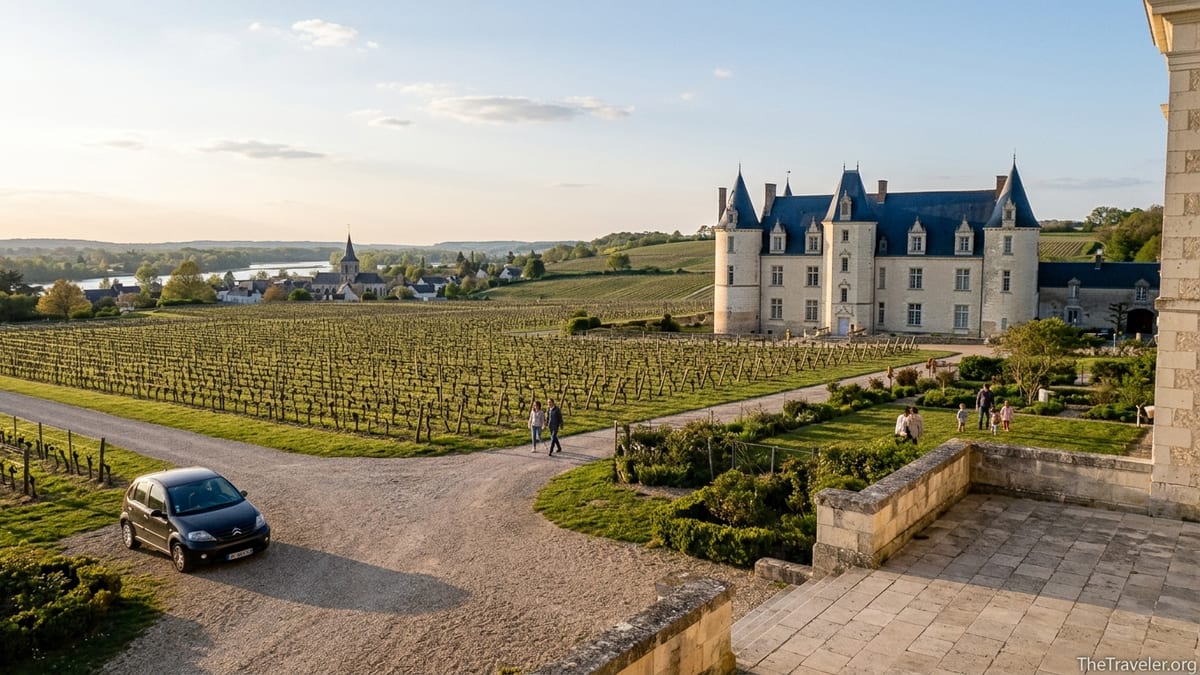
If you dream of sleeping in a turret room or waking to vineyard views, central France offers a wide range of château hotels and wine estate guest rooms between the main towns. In the Loire, grand historic properties near Amboise, Azay le Rideau and Saumur have been converted into hotels that mix period details like spiral staircases and tapestries with modern comforts such as pools and spa facilities. Some sit within formal gardens or woodlands and offer dinners built around local produce, often with their own label wines or curated Loire wine lists.
In Burgundy, family owned domaines around Beaune and along the Côte de Nuits and Côte de Beaune sometimes rent a handful of rooms or self contained gîtes amid the vines. Staying on a working estate usually involves at least one complimentary tasting and the chance to see more of the behind the scenes work in the cellars and vineyards, particularly outside the busy harvest period. Many travelers plan a mix, spending two or three nights in Beaune and then one or two nights at a nearby countryside property with bicycles to ride through the surrounding parcels.
These rural stays are particularly suited to couples on a special trip, honeymooners and road trippers who do not mind driving small lanes after dinner or are happy to eat on site most nights. They are less ideal for car free travelers because taxis in rural areas can be scarce and costly, and ride hailing services are limited. For families, countryside stays can be wonderful when there is a pool and gardens for children to enjoy, but it is important to check how many nearby casual dining options exist and whether extra beds or family rooms are available, since some château hotels focus on quiet, adult oriented stays.
Matching Each Base to Your Travel Style
For couples planning a romantic escape focused on wine and long dinners, Beaune and the surrounding Burgundy countryside stand out. A typical long weekend might involve an evening arrival in Beaune, a full day wine tour through nearby appellations with visits to small domaines and a leisurely lunch, then a transfer to a vineyard hotel for two nights of slow mornings and sunset walks among the vines. Amboise and Loire château hotels offer a softer, river and castle centered version of the same romance, with twilight views of illuminated fortresses and tastings of sparkling Vouvray.
Families often do best with a mix of convenience and atmosphere, which makes Tours and Blois strong contenders. In Tours, teenagers can wander safely around the café lined streets and there is always somewhere open for a quick bite. In Blois, the central château, riverbank play areas and short drives to other castles make it easier to balance sightseeing with downtime. Renting a car for at least part of the stay opens up countryside picnic spots, troglodyte dwellings carved into limestone cliffs, and outdoor activity parks in the Loire and Auvergne.
For road trip devotees, Clermont Ferrand becomes an appealing anchor. You can design loop drives that combine little traffic, dramatic volcanic panoramas and village markets with stays in rural guesthouses and simple auberges. Travelers relying on trains will be happiest splitting time between well connected hubs such as Tours and Dijon or Dijon and Beaune, using regional services and organized excursions rather than trying to stitch together infrequent rural buses.
The Takeaway
There is no single best place to stay in central France. Instead, think of the region as three overlapping experiences: Loire castles and river towns around Tours, Amboise and Blois, Burgundy’s wine corridor anchored by Dijon and Beaune, and the quieter volcanic heartland around Clermont Ferrand. Within each, you can choose between city convenience, small town charm and bucolic château or vineyard stays depending on your priorities and how you plan to get around.
If you want a simple, train based introduction to the Loire, Tours is hard to beat. For an atmospheric château village, Amboise or Blois will feel closer to the pages of a storybook. Wine lovers should gravitate towards Beaune and the Burgundy countryside or base in Dijon for rail friendly access to multiple appellations. Those craving open skies and winding mountain roads will feel at home in Clermont Ferrand and the Auvergne. With a little planning around your transport, budget and travel style, central France becomes not just a beautiful place to visit, but a region you can inhabit at your own pace.
FAQ
Q1. Is it better to base in Tours or Amboise for visiting Loire châteaux without a car? Tours is more practical for trains and organized tours, while Amboise is smaller and more atmospheric. If you want frequent rail connections and many hotel options, choose Tours. If you prefer a village feel with a castle in the center and do not mind slightly fewer trains, Amboise is ideal.
Q2. How many nights should I spend in Beaune for a first Burgundy wine trip? Two full days and three nights in Beaune works well for most travelers. That gives you time for one full day wine tour, one day for cycling or exploring villages nearby, and relaxed evenings in town without rushing tastings.
Q3. Is Blois a good base for families with young children? Yes, Blois often suits families because the main château is in town, there are parks along the river, and driving times to other major châteaux like Chambord and Cheverny are short. You also have a mix of central apartments and larger hotels with family rooms.
Q4. Do I need a car if I stay in Dijon or Beaune? You can visit some wineries and nearby villages around Dijon and Beaune without a car by joining organized tours or hiring drivers. However, a car gives you more freedom to explore smaller villages and viewpoints. Many visitors do a mix, using tours for structured tasting days and a rental car for scenic drives.
Q5. Are countryside château hotels suitable for children? Some château hotels welcome children and provide family rooms, pools and gardens that work well for them. Others aim more at couples seeking quiet. Always check the property’s policy on children, available bedding and nearby dining options before booking with a family.
Q6. When is the best time of year to visit central France for vineyards and castles? Late spring and early autumn usually offer pleasant temperatures, lighter crowds and active vineyards. Summer brings long days and more family friendly activities but also higher prices and busier sights. Winter can be atmospheric in cities and some châteaux run special events, though opening hours may be shorter.
Q7. Is Clermont Ferrand worth including if I mainly care about wine? Clermont Ferrand is more about volcanic landscapes, hiking and road trips than wine. If your priority is wine tasting in central France, focus on Burgundy around Dijon and Beaune, or Loire appellations near Tours and Amboise. Consider Clermont Ferrand if you want to balance wine days with outdoor adventures.
Q8. How far in advance should I book accommodation in Beaune and Amboise? For stays during May, June, September, October and around major holidays or wine events, booking three to six months ahead is wise, especially for small boutique hotels and château properties. In quieter months you can sometimes find options closer to arrival, but choice will be more limited.
Q9. Can I visit both the Loire and Burgundy in one week? Yes, a week is enough to sample both if you keep your bases to two. A common pattern is three nights around Tours or Amboise for châteaux, then three or four nights in Beaune or Dijon for wine. Trains and highways connect the regions, but avoid changing bases every night to keep the trip relaxing.
Q10. What is a realistic daily budget for accommodation in these areas? For mid range comfort, many travelers budget roughly 120 to 180 euros per night for a double room in towns like Tours, Dijon, Blois or Beaune. Countryside château stays and peak dates can run higher, while basic hotels and some apartments may come in under this range, particularly outside high season.