


Choosing where to stay in southern France is often harder than deciding to go in the first place. Between the glittering Riviera, sun‑baked Provençal towns and lively coastal cities, your base will shape everything from how you spend your days to how much you pay for dinner. This guide compares the main hubs in the south of France, plus a few smaller towns, to help you pick the right place for your style, budget and itinerary.
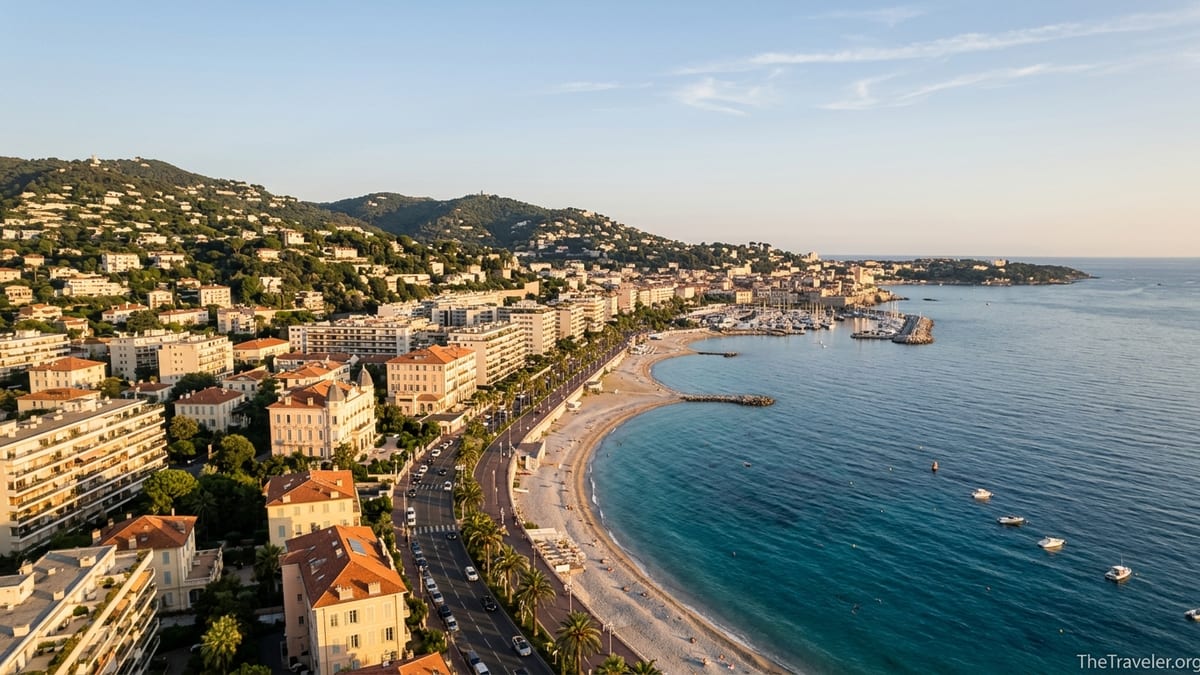
How to Choose Your Base in Southern France
Before you lock in a hotel or apartment, be clear on what you want this trip to feel like. A couple looking for long lunches and art galleries in shoulder season will have a very different sweet spot than a family of four visiting in August or friends chasing beach clubs and nightlife. Think about your top priorities: easy beach access, historic atmosphere, nightlife, day trips, or a quiet base for a road trip.
Logistics matter more here than many first‑timers expect. Distances in Provence look short on the map, but driving from Aix‑en‑Provence to the Luberon hill towns or the Verdon Gorge can still take 60 to 90 minutes each way. Likewise, a base in Nice with a car in August can mean traffic jams and expensive parking, while the same stay without a car is effortless thanks to frequent coastal trains between Nice, Antibes and Cannes. Booking a base that matches how you plan to move around is often the difference between a relaxed trip and hours spent in transit.
Budget also plays a big role. In peak summer, a central but simple three‑star hotel in Nice can start around 180 to 250 euros per night, while in Antibes or Cannes you might see similar properties around 220 to 300 euros for the same dates, and in Saint‑Tropez the same level of comfort can jump well above 350 euros per night. Inland Provençal towns often offer better value, with charming guesthouses in places like Saint‑Rémy‑de‑Provence or Lourmarin sometimes available from 130 to 200 euros outside the very peak weeks.
Finally, consider seasonality. The Riviera is lively year‑round, but beach clubs and ferry services are most active from late May to September. Many smaller Provençal villages feel sleepy in winter, and some country hotels close between November and March. If you are planning a road trip to lavender fields or the Verdon Gorge, target late June or early July; if you prefer fewer crowds and milder weather, late September and early October can be ideal for both Provence and the coast.
Nice: Best All‑Round Base Without a Car
Nice is the most versatile base in southern France, especially if you are arriving by plane and do not want to rent a car. The city combines a long seafront promenade, a historic old town, a major train hub and an international airport only 15 to 20 minutes from most central hotels. Trains and trams make it easy to reach Antibes, Cannes, Menton and Monaco in 20 to 40 minutes, so you can treat Nice as a hub for day trips along the Riviera without ever driving or worrying about parking.
Accommodation in Nice ranges from compact studio apartments near the Promenade des Anglais to upscale hotels with sea views and rooftop pools. A typical midrange hotel one or two streets back from the seafront might cost around 160 to 230 euros per night in shoulder season and more in July and August, while seafront rooms with balconies often start well above that. If you want to keep costs down, look at areas like Musiciens or the streets behind the train station, which can offer better deals while still being a 10 to 15 minute walk to the beach.
Nice works well for couples and culture‑minded travelers who want galleries, markets and restaurants at their door. You can spend mornings at the Cours Saleya market, afternoons on the pebble beach or at the Matisse Museum, and evenings wandering the narrow streets of the old town. Families who are happy with pebble beaches will appreciate the long, lifeguard‑patrolled stretches and the many playgrounds along the seafront, though parents with toddlers may prefer to use Nice as a base and take the train to sandy beaches in Antibes or Juan‑les‑Pins.
Nightlife in Nice is varied rather than flashy. You will find wine bars, cocktail lounges and late‑night terraces in the old town and around the port, but this is not a clubbing capital in the way of Ibiza. For many visitors that balance is perfect: enough to enjoy an aperitif or live music after dinner, but still easy to sleep with the windows open if you choose an address a few blocks away from the busiest streets.
Cannes, Antibes and Saint‑Tropez: Riviera Glamour and Beaches
West of Nice, Cannes, Antibes and the Saint‑Tropez peninsula all offer a softer, sandier version of the Riviera, each with a distinct feel. Cannes is compact and polished, dominated by its famous film festival venue and a long sandy bay lined with private beach clubs and upscale hotels. It is well suited to travelers who want a walkable resort town with good shopping and a more overtly glamorous atmosphere. Expect central hotel rates in summer to run similar to or slightly higher than Nice, with seafront five‑star properties often charging several hundred euros per night.
Antibes, between Nice and Cannes, often appeals to families and travelers seeking something slightly more relaxed. The old town is enclosed by seafront ramparts, with a daily market and a more village‑like feel than Nice or Cannes. Several beaches here are sandy and gently shelving, especially around Juan‑les‑Pins on the western side of the peninsula, which is known for its family‑friendly atmosphere and pine‑fringed seaside promenade. In high season, a family‑run three‑star hotel within walking distance of the old town and beach might cost in the region of 180 to 260 euros per night, while apartments can be good value for longer stays.
Saint‑Tropez and its surrounding beaches are still a byword for luxury on the Riviera. The town itself is relatively small, with narrow streets, a busy harbor filled with yachts and a mix of chic boutiques and long‑established bars. The best sandy beaches, including Pampelonne, are a short drive away and are lined with beach clubs that rent loungers and umbrellas, often at premium prices. Accommodation here skews to the higher end: boutique hotels and villas frequently start above 300 euros per night in summer, and availability during July and August can be tight unless you book well in advance.
All three towns are good bases for classic Riviera activities, from boat trips and paddleboarding to long lunches by the sea. Cannes and Antibes are easier for travelers without a car because both sit on the main coastal rail line. Saint‑Tropez, in contrast, requires more effort, typically a combination of train or bus and then a boat or a drive around the peninsula, and its narrow roads can be heavily congested on summer weekends. If you are planning a broader road trip and are comfortable driving, a few nights based near Saint‑Tropez can be rewarding, but for a first coastal visit without a car, Cannes or Antibes are generally more convenient.
Aix‑en‑Provence and Avignon: Classic Provence Bases
Moving inland, Aix‑en‑Provence and Avignon are the two main hubs for exploring central Provence. Avignon, on the Rhône River, is famous for its medieval walls and palace complex and is a major train junction, with fast services from Paris and connections toward the Languedoc coast. For many first‑time visitors who want to rely on trains and guided tours rather than a car, Avignon makes a practical base, with easy day trips to nearby towns and vineyards, as well as to Arles and Nîmes.
Aix‑en‑Provence, about an hour from Avignon by road, feels more polished and focused on café culture, shopping and art. Once a residence of the Counts of Provence, it is known today for its tree‑lined main avenue, frequent markets and links to the painter Cézanne. Aix often appeals to couples and friends who want to linger in restaurants and wine bars in the evening and perhaps take a day trip to the coast, as Marseille and Cassis are within reach by road or regional train.
In both towns, midrange hotels inside the historic centers typically start around 130 to 200 euros per night in shoulder season, with prices rising in July and during major festivals. Apartments and small guesthouses can offer better value, especially if you are staying three nights or more. Parking inside the walls of Avignon or in the narrow streets of Aix can be tricky, so drivers often choose hotels with dedicated parking or stay in slightly more modern districts just outside the historic cores, using park‑and‑ride systems or walking 10 to 15 minutes into the center.
For road trips through Provence, many itineraries pair a few nights in Avignon or Aix with a smaller Provençal town, such as Saint‑Rémy‑de‑Provence or a Luberon village like Lourmarin or Bonnieux. This combination lets you enjoy restaurant and nightlife options on some evenings and star‑filled rural skies on others. If you only have four or five days, a simple split like two nights in Avignon for monuments and train access, then two nights in a countryside inn near the Luberon, can offer an excellent balance of convenience and atmosphere.
Marseille and Montpellier: Urban Energy and Coastal Access
Marseille, the largest city in southern France, offers a very different experience to the Riviera resorts or small Provençal towns. Its bustling port, diverse neighborhoods and edgy energy appeal to travelers who enjoy big cities, street life and contemporary culture. From Marseille you can take boat trips to the Calanques, a series of dramatic limestone inlets with turquoise water, or hop a local train to nearby Cassis and La Ciotat for beaches and coastal walks.
Accommodation in Marseille spans modern design hotels at the renovated docks, small family‑run hotels near the old port and apartments in residential districts. Prices are generally lower than in Saint‑Tropez or central Cannes, especially outside peak summer weekends, with many comfortable hotels available for roughly 110 to 180 euros per night in shoulder seasons. For visitors concerned about noise, choosing a hotel set slightly back from the old port or in more residential areas like Endoume or around the Corniche can make for quieter nights while still staying close to tram and bus lines.
Montpellier, further west in the Occitanie region, is another good base if you want a vibrant student city with easy access to the Mediterranean. The historic center is largely pedestrian, filled with narrow streets, squares and café terraces. While the city itself is not on the sea, beaches like Palavas‑les‑Flots and Carnon are a short tram and bus or car ride away, making it a practical base for travelers who want to combine urban life and beach days without paying Riviera premiums.
Both Marseille and Montpellier suit travelers who value nightlife, diverse dining and a feeling of living in a real working city rather than a resort. They also work well for road trips that continue into the Languedoc wine regions or further toward the Spanish border. If you are traveling with small children and are more focused on easy beach access and a calm atmosphere, the Riviera towns or smaller Provençal bases may suit you better, but for older children and teens, the street festivals, markets and larger urban parks of these cities can be a strong plus.
Smaller Provençal Towns and Villages for Road Trips
For many travelers, the image of Provence is less about cities and more about stone farmhouses, lavender fields and hilltop villages. Smaller towns like Saint‑Rémy‑de‑Provence, L’Isle‑sur‑la‑Sorgue, Lourmarin and Bonnieux can make exceptional bases if you are comfortable driving. These places put you closer to countryside walks, vineyard visits and local markets, and often provide more space and quieter evenings than city centers.
Saint‑Rémy‑de‑Provence, just south of Avignon, is a long‑time favorite for road‑trippers. It has a compact historic center filled with restaurants and boutiques, yet it is only a short drive from Roman sites, the Alpilles hills and other villages. Many small hotels and bed‑and‑breakfasts here have pools and gardens, making it a pleasant base in warmer months. Prices vary widely, from simple chambres d’hôtes around 120 to 170 euros per night to higher‑end country hotels charging two or three times that in peak season.
L’Isle‑sur‑la‑Sorgue, built around canals and famous for its antiques markets, is another practical base, especially for travelers interested in browsing brocantes and local design shops. From here you can drive to the Luberon villages such as Gordes and Roussillon in 30 to 45 minutes, while still having a good choice of restaurants right in town. Accommodation includes riverfront hotels, small inns above shops and self‑catering apartments that are popular with families and groups of friends.
If your trip is built around a longer road loop that includes the Luberon, lavender plateaus and the Verdon Gorge, think about dividing your stay between two or three smaller bases rather than trying to cover everything from a single point. For example, you might spend three nights in a Luberon village like Lourmarin for easy access to neighboring hill towns and markets, then two nights near Moustiers‑Sainte‑Marie to explore the gorge and lakes. This approach cuts down daily driving time and lets you experience early mornings and evenings when visitor numbers are lower.
Matching Destinations to Travel Styles and Budgets
For beach‑first holidays, Cannes, Antibes, Juan‑les‑Pins and the Saint‑Tropez area are the obvious contenders. Antibes and Juan‑les‑Pins tend to suit families and travelers who want sandy beaches and a relaxed atmosphere, while Cannes works well for those who enjoy designer shopping and an elegant promenade. Saint‑Tropez is best for travelers who are willing to pay a premium for boutique hotels, beach clubs and nightlife in exchange for a more exclusive setting.
Couples focused on food, wine and culture often gravitate to Aix‑en‑Provence, Avignon or smaller Provençal towns. Aix offers polished restaurants and wine bars with the option of day trips to Marseille and Cassis, while Avignon provides grand monuments and efficient rail connections for exploring further afield. For a more romantic rural feel, a stone farmhouse or small inn near Saint‑Rémy‑de‑Provence or in the Luberon can be hard to beat, especially in late spring or early autumn when the light is soft and temperatures are moderate.
Families need to balance space, convenience and budget. Apartments or aparthotels in Nice or Antibes can provide separate bedrooms and kitchen facilities while keeping you close to public transport and beaches. On a typical August week, a two‑bedroom holiday rental within walking distance of the sea in Antibes might start around 1,600 to 2,000 euros for seven nights, with similar properties in Saint‑Tropez often costing significantly more. Inland, a gîte or villa with a shared or private pool around Saint‑Rémy or in the Luberon can offer better value and a calmer environment, particularly for longer stays.
For nightlife and entertainment, Marseille, Nice, Cannes and Saint‑Tropez all have lively evening scenes, each in a different way. Nice and Marseille offer a broad mix of bars, live music and late‑night dining across many neighborhoods, catering to a range of budgets. Cannes and Saint‑Tropez lean more toward upscale bars and clubs, especially during summer events and weekends, so you should expect higher prices for drinks and late‑night taxis. Montpellier, with its large student population, adds another option, with a busy year‑round bar and café culture and easy access to beaches for daytime recovery.
The Takeaway
There is no single “best” place to stay in southern France, only the base that fits your priorities, timing and budget. The Riviera shines for effortless beach access and coastal train connections, with Nice as the best all‑round hub and Cannes, Antibes and Saint‑Tropez offering variations on the classic seaside holiday. Inland, Aix‑en‑Provence and Avignon anchor most Provence itineraries, supported by a constellation of villages and small towns that reward travelers willing to rent a car and slow down.
When you compare options, picture not just the postcard views but also your daily routines. How will you get to the beach, or to that hilltop village you have always wanted to see? Do you want to stroll out of your front door into an evening market, or wake to birdsong and fields? Use the cities and larger towns for their transport links and cultural offerings, then add smaller Provençal bases for the countryside atmosphere southern France is famous for. With the right mix, your base will feel less like a place to sleep and more like an essential part of the trip itself.
FAQ
Q1. Is Nice or Cannes better as a base for first‑time visitors?
Nice is usually better for first‑time visitors who want an easy, flexible base with an airport, major train hub and a wide choice of accommodation, while Cannes suits those who prioritize sandy beaches and a more resort‑style atmosphere.
Q2. Do I need a car to explore Provence from Aix or Avignon?
You can see major towns by train and organized tour from Aix or Avignon, but a car makes it much easier to visit smaller villages, markets and countryside areas at your own pace.
Q3. Where should families stay on the Riviera for sandy beaches?
Families often favor Antibes and Juan‑les‑Pins for their sandy, gently shelving beaches and relaxed atmosphere, with Cannes and the Saint‑Tropez peninsula as good alternatives for longer, sandy bays.
Q4. Is Saint‑Tropez worth the higher prices?
Saint‑Tropez is worth it if you value boutique hotels, famous beach clubs and a compact, glamorous harbor town and are comfortable with higher hotel and dining costs, especially in July and August.
Q5. Which base is best for lavender fields and the Verdon Gorge?
For lavender and the Verdon Gorge, many travelers combine a base in the Luberon, such as near Gordes or Lourmarin, with a short stay closer to Moustiers‑Sainte‑Marie or the lakes to reduce daily driving times.
Q6. How far in advance should I book accommodation in southern France?
For July and August, it is wise to book several months in advance for popular Riviera towns and Provençal villages, while spring and autumn stays can often be secured comfortably a few months ahead, especially outside school holidays.
Q7. Is Marseille a good place to stay for beaches?
Marseille is more of a city‑and‑culture base with access to coastal walks and the Calanques; for classic sandy resort beaches, nearby Cassis, La Ciotat or the Riviera towns may be better choices.
Q8. Are smaller villages like Saint‑Rémy‑de‑Provence suitable without a car?
Smaller villages are best experienced with a car, as public transport can be limited; without one, you may feel restricted to the immediate town and occasional tours rather than flexible day trips.
Q9. What is a good split between the Riviera and Provence for a one‑week trip?
A balanced one‑week itinerary often includes three or four nights on the Riviera, for beaches and coastal towns, and three or four nights in Provence, based in a city like Aix or Avignon plus or instead of a smaller village.
Q10. Is Montpellier a good alternative to the Riviera for budget travelers?
Yes, Montpellier can be a good option for budget‑conscious travelers who want a lively city with easier access to more affordable beaches nearby, though it lacks the iconic Riviera scenery and resort feel.